One year ago, Oregon set out a plan for meeting growing energy demand while keeping energy affordable, reliable, and aligned with the state's climate goals.
Released in November 2025, the Oregon Energy Strategy and Gov. Tina Kotek's Executive Order 25-29 established a framework for achieving that vision. Together, they affirm that Oregon doesn't have to choose between economic growth, affordable energy, grid reliability, and climate progress. With thoughtful planning, smart investments, and modern energy policies, the state can achieve all four.
Over the past year, state agencies have worked to deliver on the Governor's directives to identify the challenges, solutions, and investments needed to advance the state’s energy policy objectives. At the same time, the stakes have only grown. Electricity demand is rising. Energy affordability remains a concern for households and businesses. Large new energy users, especially data centers, are putting more pressure on the grid.
In the 2026 elections, Oregonians sent a strong signal that they expect leaders to address those challenges. Oregon has spent a year planning what’s next.
A one-year retrospective of Oregon’s Energy Strategy: What advanced and what’s still needed
Over the past year, state agencies have made meaningful progress implementing Oregon’s strategy for energy affordability and reliability. Much of this important work focused on planning, analysis, and identifying solutions.
What did they accomplish?
Laying the groundwork for new energy infrastructure. The Oregon Department of Energy and Department of Land Conservation & Development spent the last year completing major analyses on transmission, siting and permitting reform, and barriers to clean energy deployment.
Expanding cleaner, healthier transportation options across the state. The Department of Environmental Quality is advancing new rules doubling down on Oregon's Clean Fuels Program, which is helping school districts deploy electric buses, enabling towns big and small to install public chargers, and expanding access to renewable diesel to clean up our air and existing fleets.
Planning for a more resilient and efficient energy system. The Public Utility Commission is finalizing a work plan outlining priority actions to advance resilience, energy efficiency, building decarbonization, and clean energy through utility planning and investments.
This work matters. Oregon now has a much clearer understanding of what it will take to meet growing energy demand while keeping energy affordable and reliable.
Studies don’t build transmission lines. Reports don’t help a family afford a heat pump. And an executive order, on its own, cannot create new financing tools, modernize permitting laws, or ensure large new energy users contribute fairly to the infrastructure they require.
The next phase belongs to the legislature.
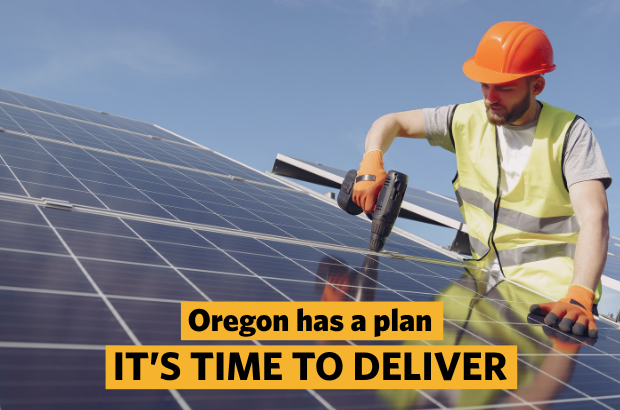
It’s time for Oregon lawmakers to move from strategy to action
As Oregon looks toward the 2027 legislative session, lawmakers have an opportunity to turn years of planning into tangible results for Oregonians. Governor Kotek’s executive order set the stage, agency implementation laid important groundwork, and now it’s up to the legislature to act to make our clean energy future a reality. After carefully following agency progress, we have these recommendations:
Unleash clean, affordable energy
Oregon cannot achieve the goals laid out in the Energy Strategy without building significantly more clean energy infrastructure. Meeting growing electricity demand while maintaining affordability and reliability will require new generation, energy storage, and transmission infrastructure, as well as reforms that make it easier to deploy all three.
The next step is legislative action. Oregon should modernize energy siting and permitting processes, improve long-term energy and transmission planning, and create stronger institutional tools to help coordinate and finance major infrastructure investments. Establishing a Transmission Authority could help accelerate projects that improve reliability, reduce costs, and unlock access to clean energy resources across the region.
At the same time, Oregon should pursue innovative approaches that help maximize existing infrastructure and land resources. Expanding virtual power plants, encouraging agrivoltaics, and supporting distributed energy resources can help meet demand while reducing costs and improving resilience.
As electricity demand grows, particularly from large new loads such as data centers, Oregon must ensure growth is managed responsibly. The legislature should establish SMART guardrails that require large energy users to contribute fairly to the infrastructure they require, support grid reliability through tools such as load flexibility and energy storage, and avoid shifting costs onto households and small businesses.
The Energy Strategy identified what Oregon needs to build. The legislature's job now is to remove barriers and help get it built.
Scale affordable electrification solutions
Oregon must also make better use of the grid we already have and ensure that households, businesses, schools, and local governments can access the technologies that lower energy bills, reduce pollution, and strengthen energy resilience.
The Energy Strategy and Executive Order 25-29 both recognize strategic electrification of buildings and transportation as essential components of an affordable energy future. Over the past year, agencies have advanced that work through utility planning, Clean Fuels Program and Climate Protection Program implementation, and other regulatory efforts. But significant gaps remain between Oregon's goals and what families can access today.
Too many Oregonians still face barriers to installing heat pumps, upgrading inefficient equipment, purchasing electric vehicles, or accessing reliable charging infrastructure. The 2027 legislative session should build on existing progress by securing long-term investments for heat pump deployment, home efficiency upgrades, EV incentives, and charging infrastructure.
Strategic electrification is one of Oregon's most effective tools for reducing long-term energy costs while improving public health, resilience, and energy security. If Oregon is serious about lowering energy costs and reducing reliance on volatile fossil fuels, the legislature must make these solutions more affordable and accessible for households and businesses across the state.
Build resilient communities
Oregon's energy future must be affordable, reliable, and resilient to respond to rising energy demand, extreme weather, and economic opportunity. Yet many of the investments needed to help communities prepare for extreme heat, wildfire impacts, and energy disruptions still depend on uncertain funding sources at a time of growing budget pressures.
Oregon leaders have an opportunity to establish durable funding strategies for programs that reduce energy burden, prepare communities for extreme heat and wildfire impacts, and expand access to clean energy solutions. That includes identifying sustainable revenue sources, protecting successful existing programs, and ensuring that new economic activity contributes to the infrastructure and investments necessary to support Oregon communities.
Oregonians expect leaders to lower costs, prepare communities for future challenges, and ensure the benefits of economic growth are broadly shared. Meeting those expectations will require moving beyond studies and recommendations toward sustained implementation and investment.
In 2027, lawmakers have a chance to act
The need for state leadership has only become more urgent. Oregonians continue to face rising energy costs, worsening climate impacts, and uncertainty created by federal rollbacks of climate and environmental justice protections. As drought, wildfire, and extreme weather affect communities across the state, Oregon has an opportunity to build on the work completed over the past year. Now the ball is in the legislature’s court to deliver it.