The Northwest needs a SMART standard for data centers
As data centers consume a growing share of Oregon and Washington's electricity, policymakers must ensure they strengthen the grid, support climate goals, and pay their fair share.

As data centers consume a growing share of Oregon and Washington's electricity, policymakers must ensure they strengthen the grid, support climate goals, and pay their fair share.
Right now, Oregonians have a rare opportunity to weigh in on one of the state's biggest energy issues. As data centers drive unprecedented growth in energy demand, Oregon leaders are deciding how to meet it while keeping electricity affordable and staying on track to meet our climate goals. Send your public comments to help shape data center regulation through Oct. 24.
Exciting news from Salem! Oregon regulators just finalized nation-leading protections that ensure data centers pay for their own power and infrastructure costs, stopping the burden from being shifted onto regular folks, while supporting the grid’s resilience, affordability, and clean energy transition. This has been a multi-year journey from bill to law to rules. Here’s a rundown of the what, why, and how we got here, as well as what’s next.

Building the grid we need to power our future starts with smart planning. Transmission planning is the process of identifying actions to improve and modernize the grid, including Grid Enhancing Technologies (GETs), co-located transmission lines (in existing rights-of-way, such as highways), and, when necessary, new transmission lines. This ensures that energy can be reliably and affordably delivered to homes and businesses. Planning is foundational to building a cleaner, more affordable, and more resilient energy system. Because Oregon’s grid is deeply interconnected with neighboring states,…
Passing a new law is only the first step toward a clean energy future. At Climate Solutions, we stay at the table long after a bill is signed to ensure Oregon’s latest energy policies are turned into real, tangible progress for Oregonians. Our latest blog post explores how we're working with partners and state agencies to build a modern power grid that is affordable, resilient, and fair for everyone.

As the resident Boricua on the Climate Solutions staff, I’m going to have to talk about that Super Bowl halftime show! At our energy-focused organization, all my coworkers were giddy about the spotlight on energy infrastructure; I would be giddy with them if it weren’t for the failure it represented.

Oregon can make our energy grid stronger and more affordable by using virtual power plants to coordinate local tools like home batteries and smart appliances. These smart solutions help lower energy costs for everyone while creating good local jobs in our communities.
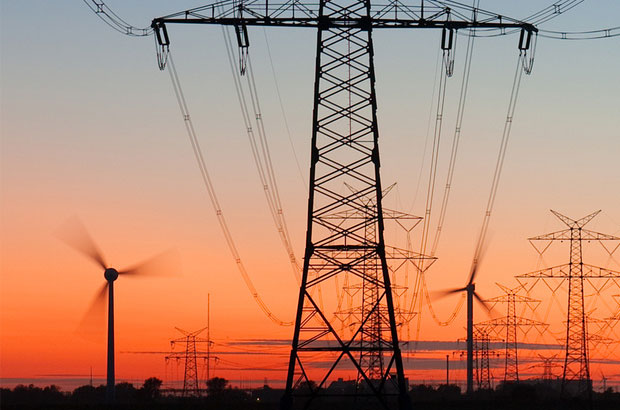
Electricity demand is on the rise. And it's clear that the best way to have a reliable, affordable electricity system is to speed up deployment of clean energy, transmission infratructure, and grid modernization. Clean energy is affordable, reliable energy. Delay is the greatest risk we face.
Announcing Oregon’s 2026 legislative short session priorities, which aim to double down on climate action that lowers household energy costs, addresses financing gaps left by federal funding cuts, grows the economy, and strengthens community resilience.
The grid is the ‘superhighway’ on which electricity travels. It is a vast network of transmission lines and infrastructure that delivers the electricity we need to power our daily lives (i.e., our homes, businesses, and industrial sites). The grid is crucial for maintaining reliable and affordable power for Oregonians. Importantly, the grid must also evolve to accommodate our state’s clean energy transition and to serve our growing population and economy. Two recently passed pieces of legislation will help modernize the grid, relieving congestion and streamlining permitting of new…
Join our email lists to learn about what we do and to get involved.
Sign up for text alerts to help win transformative climate policy in the Northwest!
As data centers consume a growing share of Oregon and Washington's electricity, policymakers must ensure they strengthen the grid, support climate goals, and pay their fair share.
Right now, Oregonians have a rare opportunity to weigh in on one of the state's biggest energy issues. As data centers drive unprecedented growth in energy demand, Oregon leaders are deciding how to meet it while keeping electricity affordable and staying on track to meet our climate goals. Send your public comments to help shape data center regulation through Oct. 24.
Exciting news from Salem! Oregon regulators just finalized nation-leading protections that ensure data centers pay for their own power and infrastructure costs, stopping the burden from being shifted onto regular folks, while supporting the grid’s resilience, affordability, and clean energy transition. This has been a multi-year journey from bill to law to rules. Here’s a rundown of the what, why, and how we got here, as well as what’s next.
Building the grid we need to power our future starts with smart planning. Transmission planning is the process of identifying actions to improve and modernize the grid, including Grid Enhancing Technologies (GETs), co-located transmission lines (in existing rights-of-way, such as highways), and, when necessary, new transmission lines. This ensures that energy can be reliably and affordably delivered to homes and businesses. Planning is foundational to building a cleaner, more affordable, and more resilient energy system. Because Oregon’s grid is deeply interconnected with neighboring states, transmission planning requires both state and regional coordination.
Passing a new law is only the first step toward a clean energy future. At Climate Solutions, we stay at the table long after a bill is signed to ensure Oregon’s latest energy policies are turned into real, tangible progress for Oregonians. Our latest blog post explores how we're working with partners and state agencies to build a modern power grid that is affordable, resilient, and fair for everyone.