Oregon just achieved an important milestone in implementing our Climate Protection Program. On July 9, Oregon selected CALSTART as the provisional administrator for the Community Climate Investment program, moving Oregon one step closer to delivering investments in clean energy projects that help families save money, improve air quality, strengthen local economies, and reduce climate pollution.
This milestone reflects years of work by state agencies, community and climate advocates, legislators, and other partners to design a program that both reduces climate pollution and delivers meaningful benefits for Oregonians. As the program moves from policy to implementation, communities across the state are getting closer to seeing those benefits firsthand.
Why Community Climate Investments are important to Oregon communities
The Community Climate Investment program was created as part of Oregon's Climate Protection Program. Through the program, fossil fuel companies and other regulated entities can help fund community-driven projects that lower energy costs, improve air quality, expand access to clean energy, and help communities respond to the impacts of climate change.
The program is expected to invest millions of dollars each year in community-led projects across the state, with a focus on those hit first and worst by climate change, including Black, Indigenous, Tribal, low-income, rural, and other underserved communities. Projects like these can create jobs, lower energy costs, improve public health, and strengthen community resilience, while delivering immediate benefits to Oregonians across the state:
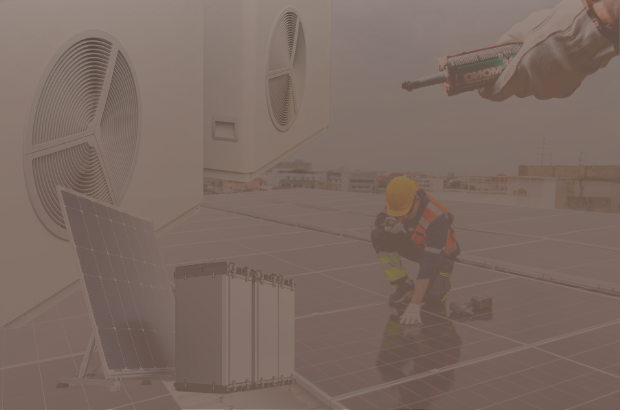
- Rooftop solar and battery storage for schools, libraries, affordable housing, and emergency shelters
- Home energy-efficiency upgrades such as heat pumps, insulation, and weatherization to lower energy costs and improve comfort
- Community-led clean energy and resilience projects for Tribal communities, such as solar power, battery storage, and emergency backup power
- Electric vehicle charging infrastructure in rural communities, multifamily housing, and other areas with limited access to charging
From the beginning, the Climate Protection Program was designed to deliver tangible benefits for everyday Oregonians while reducing climate pollution. For many families, climate action means lower utility bills, staying safe during extreme heat, and breathing cleaner air. It's making sure homes are warmer in the winter, cooler in the summer, and less expensive to operate year-round.
As implementation of this program progresses, we’ll continue working with environmental justice and community-based partners and state agencies like Oregon’s Department of Environmental Quality (DEQ) to ensure it lives up to its climate and equity goals. Success will be measured by whether people see real benefits in their daily lives, from lower bills and cleaner air to more affordable transportation and energy options.
Why CALSTART was selected
DEQ selected CALSTART as the provisional Community Climate Investment entity after months of extensive review of applicants and feedback from the program’s Equity Advisory Committee.
CALSTART was selected because of its success in managing large-scale climate and clean transportation programs and its ability to help deliver results for Oregon communities.
Over the past several decades, CALSTART has administered more than $2 billion in public funding and worked with governments, community-based organizations, businesses, and local partners to advance clean energy and transportation projects. That experience will be important as Oregon builds a program designed to reach communities across the state and support projects that provide measurable public benefits.
While CALSTART will administer the Community Climate Investment program, The Climate Protection Program rules establish strict eligibility, reporting, and performance requirements for funded projects. The Legislature explicitly gave DEQ authority and resourcing to provide oversight and auditing of CCI funds. CCIs are performance-based and tightly regulated: DEQ sets program requirements, approves projects, tracks emissions reductions, monitors performance, and reports outcomes, including regular reporting to the Legislature. The program's Equity Advisory Committee will provide feedback on work plans, and DEQ must review and approve those plans before investments move forward.
These layers of oversight help ensure that investments remain accountable, transparent, and focused on delivering benefits for Oregon communities. We're eager to keep working with DEQ, CALSTART, and environmental justice leaders to make sure these investments reflect what communities are asking for and reach the people who need them most. The strongest projects will be the ones shaped by low-income, rural, Tribal, and BIPOC communities that have borne the brunt of climate change and historic disinvestment.
The Climate Protection Program continues to move forward
While the oil and gas industry continues its efforts to weaken Oregon’s Climate Protection Program through litigation and other avenues, the selection of a provisional Community Climate Investment administrator is another step forward in implementing the program. It reflects that the Climate Protection Program remains Oregon law and that work to deliver its benefits is continuing.
The announcement brings Oregon closer to investing in community-led projects across the state. Those investments can help lower energy bills, improve air quality, create local jobs, and make homes and neighborhoods more resilient as Oregonians face hotter summers, more wildfire smoke, and other climate impacts.
Ultimately, the Climate Protection Program will succeed when Oregonians experience its benefits in their daily lives. With CALSTART now selected, Oregon is taking another step toward putting the program into action and ensuring that communities hit first and worst by climate change help shape and share in the benefits of Oregon's clean energy future.