The Northwest needs a SMART standard for data centers
As data centers consume a growing share of Oregon and Washington's electricity, policymakers must ensure they strengthen the grid, support climate goals, and pay their fair share.
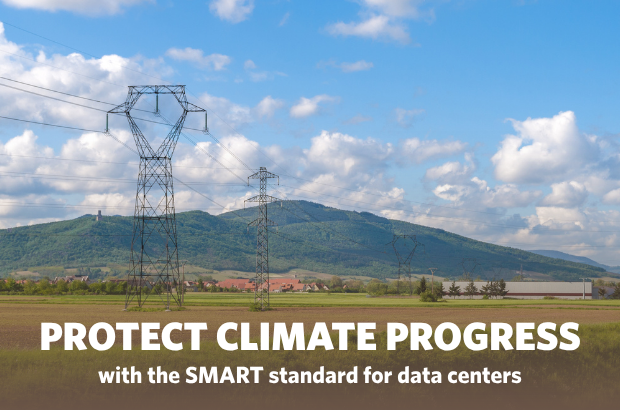
As data centers consume a growing share of Oregon and Washington's electricity, policymakers must ensure they strengthen the grid, support climate goals, and pay their fair share.
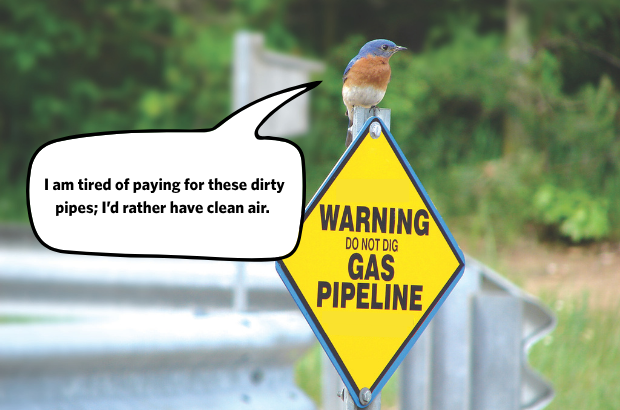
Some good news: Cascade Natural Gas has just agreed to phase out line extension allowances for Oregon residential customers. You might be asking what line extension allowances are. And why should I care? The short version is, we removed one more unfair charge from your bill.
The selection of a Community Climate Investment administrator marks another step in implementing Oregon’s Climate Protection Program.

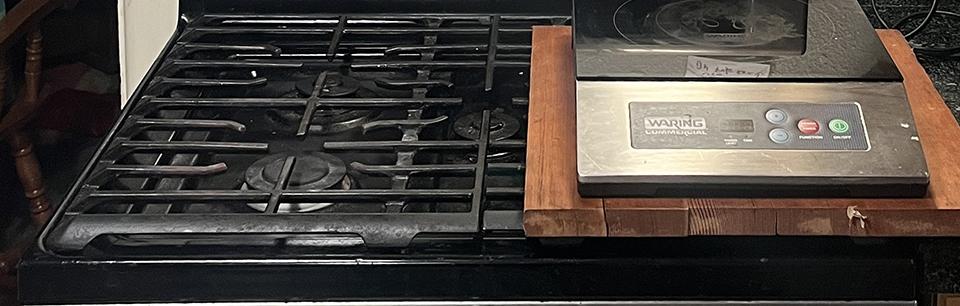
How one savvy home cook is making the transition from gas to electric cooking gradually and affordably. The health and efficiency benefits are on fire
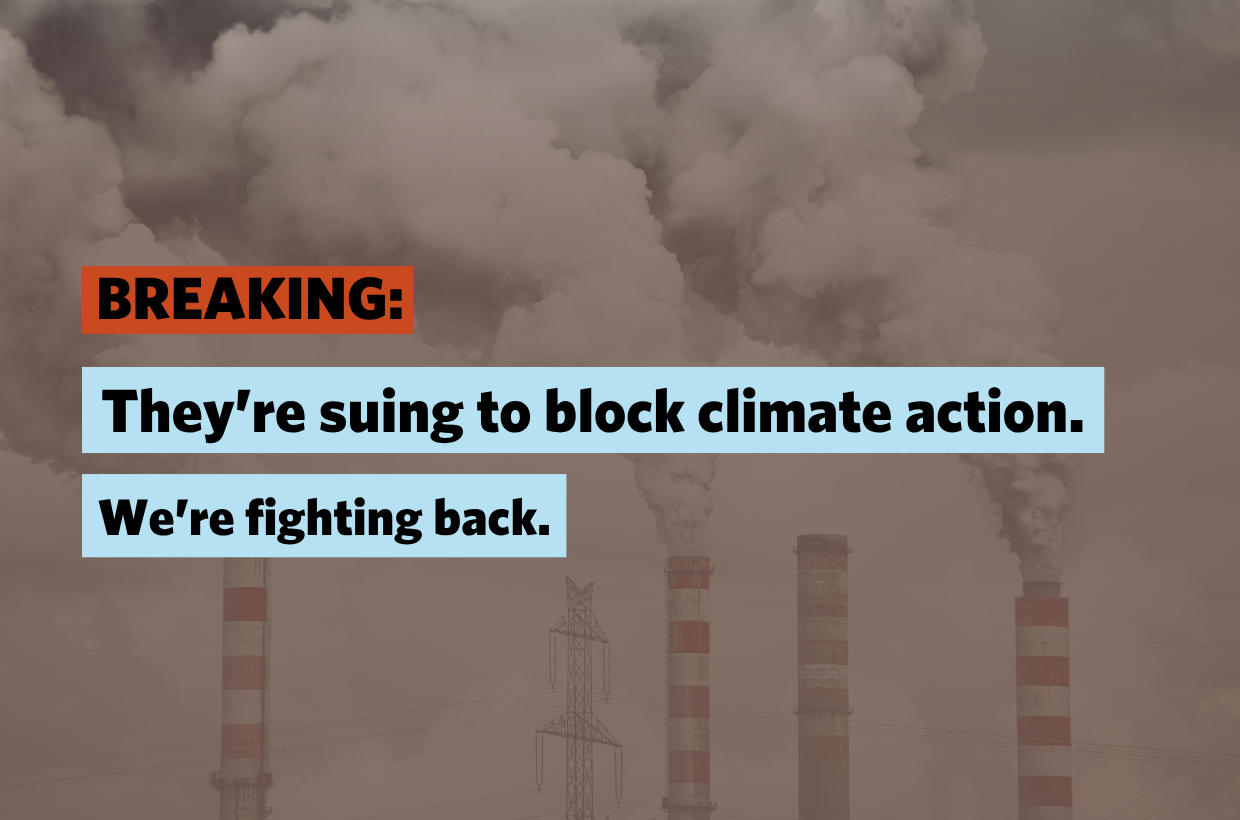
[PRESS RELEASE] A group of environmental, climate, and business organizations intervened in the Oregon Court of Appeals to defend the state’s Climate Protection Program (CPP) against challenges from the oil and gas industry.
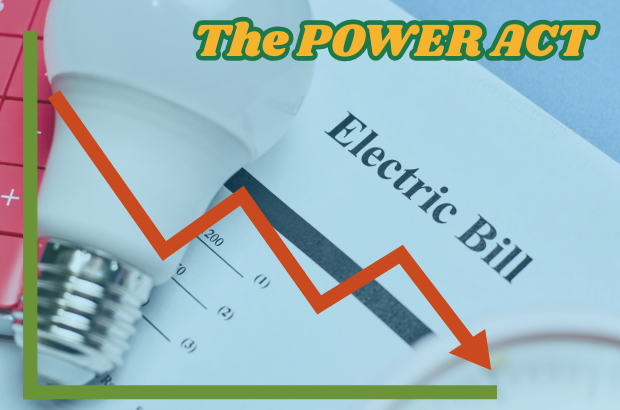
Exciting news from Salem! Oregon regulators just finalized nation-leading protections that ensure data centers pay for their own power and infrastructure costs, stopping the burden from being shifted onto regular folks, while supporting the grid’s resilience, affordability, and clean energy transition. This has been a multi-year journey from bill to law to rules. Here’s a rundown of the what, why, and how we got here, as well as what’s next.
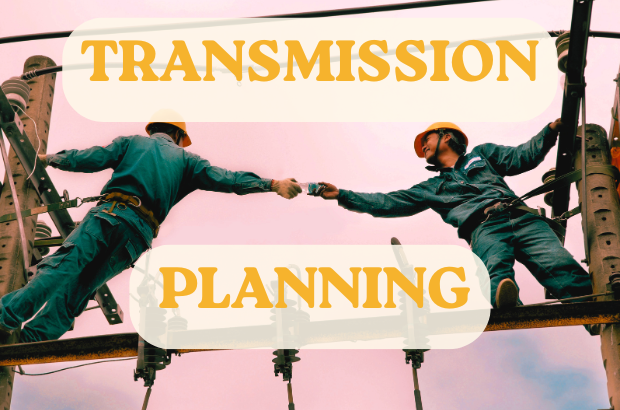
Building the grid we need to power our future starts with smart planning. Transmission planning is the process of identifying actions to improve and modernize the grid, including Grid Enhancing Technologies (GETs), co-located transmission lines (in existing rights-of-way, such as highways), and, when necessary, new transmission lines. This ensures that energy can be reliably and affordably delivered to homes and businesses. Planning is foundational to building a cleaner, more affordable, and more resilient energy system. Because Oregon’s grid is deeply interconnected with neighboring states,…

The Northwest’s dependence on imported fossil fuels leaves households vulnerable to price spikes triggered by global conflicts. By shifting to clean electricity and electric transportation, the region can stabilize energy costs, strengthen resilience, and keep more economic benefits at home.
Passing a new law is only the first step toward a clean energy future. At Climate Solutions, we stay at the table long after a bill is signed to ensure Oregon’s latest energy policies are turned into real, tangible progress for Oregonians. Our latest blog post explores how we're working with partners and state agencies to build a modern power grid that is affordable, resilient, and fair for everyone.
Explore Oregon's 2026 legislative wins and the lessons learned from the climate policies that fell short. It highlights the missed opportunities for lower energy bills while looking ahead at the work needed to build a more resilient state in 2027.
Join our email lists to learn about what we do and to get involved.
Sign up for text alerts to help win transformative climate policy in the Northwest!
As data centers consume a growing share of Oregon and Washington's electricity, policymakers must ensure they strengthen the grid, support climate goals, and pay their fair share.
Some good news: Cascade Natural Gas has just agreed to phase out line extension allowances for Oregon residential customers. You might be asking what line extension allowances are. And why should I care? The short version is, we removed one more unfair charge from your bill.
The selection of a Community Climate Investment administrator marks another step in implementing Oregon’s Climate Protection Program.
[PRESS RELEASE] A group of environmental, climate, and business organizations intervened in the Oregon Court of Appeals to defend the state’s Climate Protection Program (CPP) against challenges from the oil and gas industry.
Exciting news from Salem! Oregon regulators just finalized nation-leading protections that ensure data centers pay for their own power and infrastructure costs, stopping the burden from being shifted onto regular folks, while supporting the grid’s resilience, affordability, and clean energy transition. This has been a multi-year journey from bill to law to rules. Here’s a rundown of the what, why, and how we got here, as well as what’s next.
Building the grid we need to power our future starts with smart planning. Transmission planning is the process of identifying actions to improve and modernize the grid, including Grid Enhancing Technologies (GETs), co-located transmission lines (in existing rights-of-way, such as highways), and, when necessary, new transmission lines. This ensures that energy can be reliably and affordably delivered to homes and businesses. Planning is foundational to building a cleaner, more affordable, and more resilient energy system. Because Oregon’s grid is deeply interconnected with neighboring states, transmission planning requires both state and regional coordination.
The Northwest’s dependence on imported fossil fuels leaves households vulnerable to price spikes triggered by global conflicts. By shifting to clean electricity and electric transportation, the region can stabilize energy costs, strengthen resilience, and keep more economic benefits at home.
Passing a new law is only the first step toward a clean energy future. At Climate Solutions, we stay at the table long after a bill is signed to ensure Oregon’s latest energy policies are turned into real, tangible progress for Oregonians. Our latest blog post explores how we're working with partners and state agencies to build a modern power grid that is affordable, resilient, and fair for everyone.
Explore Oregon's 2026 legislative wins and the lessons learned from the climate policies that fell short. It highlights the missed opportunities for lower energy bills while looking ahead at the work needed to build a more resilient state in 2027.