Latest News
by Ross Macfarlane on
A new expert report warns that the dramatic increases in coal train traffic from the proposed Gateway Pacific Terminal may severely damage property values along the proposed route

by Bobby Hayden on
With charging stations in Bellevue and all along the West Coast, electric vehicle drivers can now travel the I-5 corridor from Canada to Mexico without needing a drop of gasoline. The city of Bellevue has successfully completed its nine American Recovery and Reinvestment Act (ARRA) funded grant projects.
by Elizabeth Willmott on
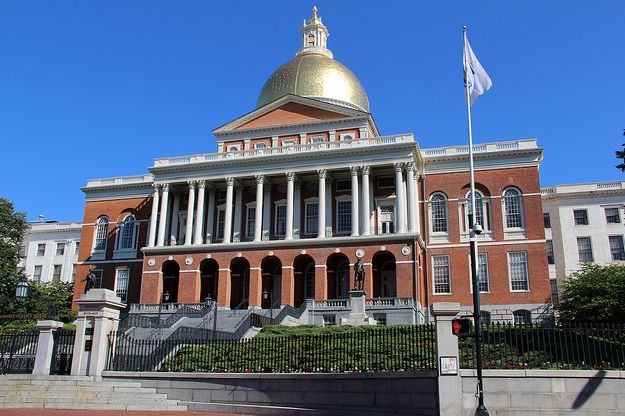
Climate and clean energy policies are a boon to Massachusetts economy.
by Eileen V. Quigley on
Washington and Oregon have six excellent residential energy efficiency programs that are working hard to make our homes more efficient, bring comfort and financial savings, and lower the region’s carbon footprint.
by Patrick Mazza on
Sitting down to talk about his work to focus the climate-saving power of soil carbon, Peter Donovan starts off with a trick question. “What’s the major greenhouse gas?” I fall right into it. “Carbon dioxide.” “No, it’s water vapor.” Of course, he’s right, and I know it. I have answered the question I thought I heard – What is the human-emitted pollutant that is the largest source of climate change? But in terms of actual gases in the atmosphere, good old H2O is hands down the greatest heat trapper.
by Patrick Mazza on
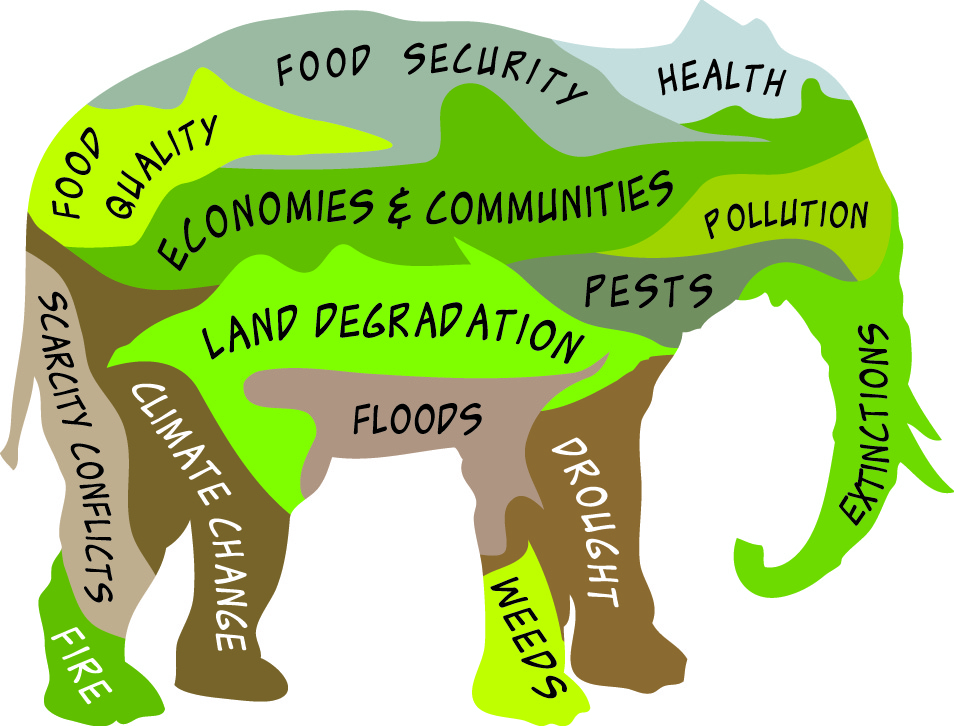
The Soil Carbon Challenge is a “competition to see how fast land managers can turn atmospheric carbon into soil organic matter. If you want to find out how fast a human can run 100 meters, do you build a computer model, do a literature search, or convene a panel of experts on human physiology to make a prediction? No, you run a race. Or a series of them.”

by Bobby Hayden on
Each 1.8 degree temperature rise means 10 percent more in irrigation demands - a challenge for an industry whose primary energy use is pumping water. See how Oregon's nurseries are leading the way.
by Eileen V. Quigley on
The Town of Jackson, WY is well on its path to becoming a national leader in energy efficiency and renewable energy. With over four million annual visitors to the area, Jackson has the potential to educate millions of Americans about the value of investing in energy efficiency and renewable energy and pioneering a clean energy future.
by Anonymous on
If you want to find out how fast a human can run 100 meters, do you build computer model, do a literature search, or convene a panel of experts on human physiology to make a prediction? No, you run a race. Or a series of them. The Soil Carbon Challenge is an international as well as local competition to see how fast land managers can turn atmospheric carbon into water-holding, fertility-enhancing organic matter.
by Elizabeth Willmott on
The success stories of the Recovery Act's clean energy investment are visible across the country in numerous American cities. Recovery Act funding enabled a wide range of innovative projects in municipal and community-wide energy efficiency, clean energy, sustainable transportation, and other measures to cut energy consumption and greenhouse gas emissions.
Give for a brighter future
Connect
Join our email lists to learn about what we do and to get involved.
Sign up for text alerts to help win transformative climate policy in the Northwest!
Upcoming Events
Climatecast
United states (and a province) flex for climate progress
Major media outlets show an uncertain committment to climate and clean energy journalism; while the US stalls out on climate progress, Washington, California and Quebec collaborate to reduce pollution