Latest News
by Patrick Mazza on
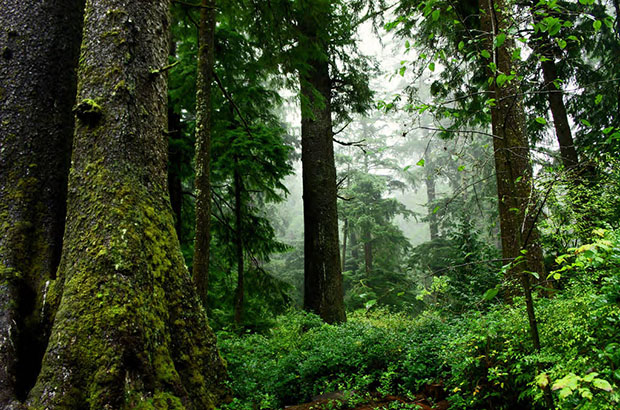
How much carbon is stored in natural systems of the continental western US? How much will be stored in future decades? A new US Geological Service survey provides some sobering answers.
by Anonymous on
Dr. Sally Brown tells the story of a recent ‘meta-analysis’ – or a study of the studies -- of the impacts on soil carbon of organic farming. Sally, a University of Washington professor, writes a regular column in BioCycle magazine.
by Bobby Hayden on
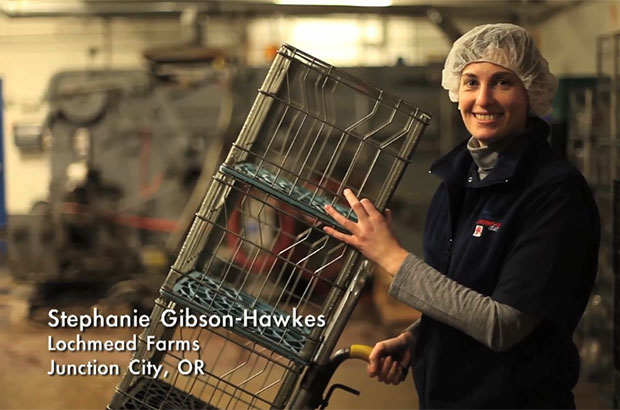
A multi-generational, family-owned dairy farm, shows that from local distribution of its products to turning methane into power at their new biodigester that they continue being an innovative leader in sustainability for 50 years.
by Bobby Hayden on
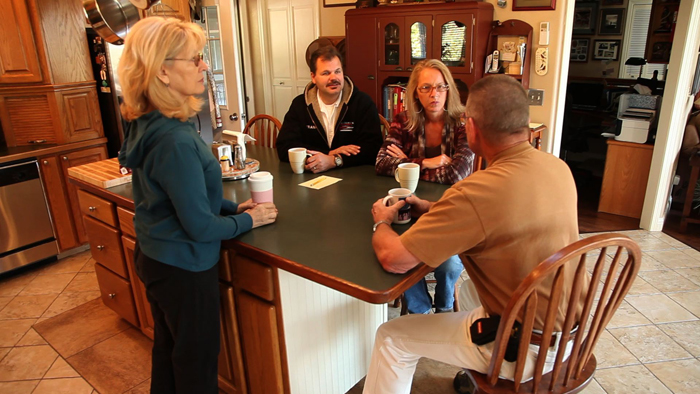
How the small town of Libby, Montana used energy efficiency to boost their local economy and save money on their electric bills.
by Anonymous on
Imagine a world where we invest billions of dollars in improving ecosystem resilience to help combat climate change: conserving and restoring our forests, restoring wetlands, reweaving the landscape tapestry between urban forests, suburbs, farms and wildlands…all because doing so sucks up vast amounts of carbon dioxide (CO2) and provides pure oxygen in return… A fantasy, you say?
by Laurie Wayburn on
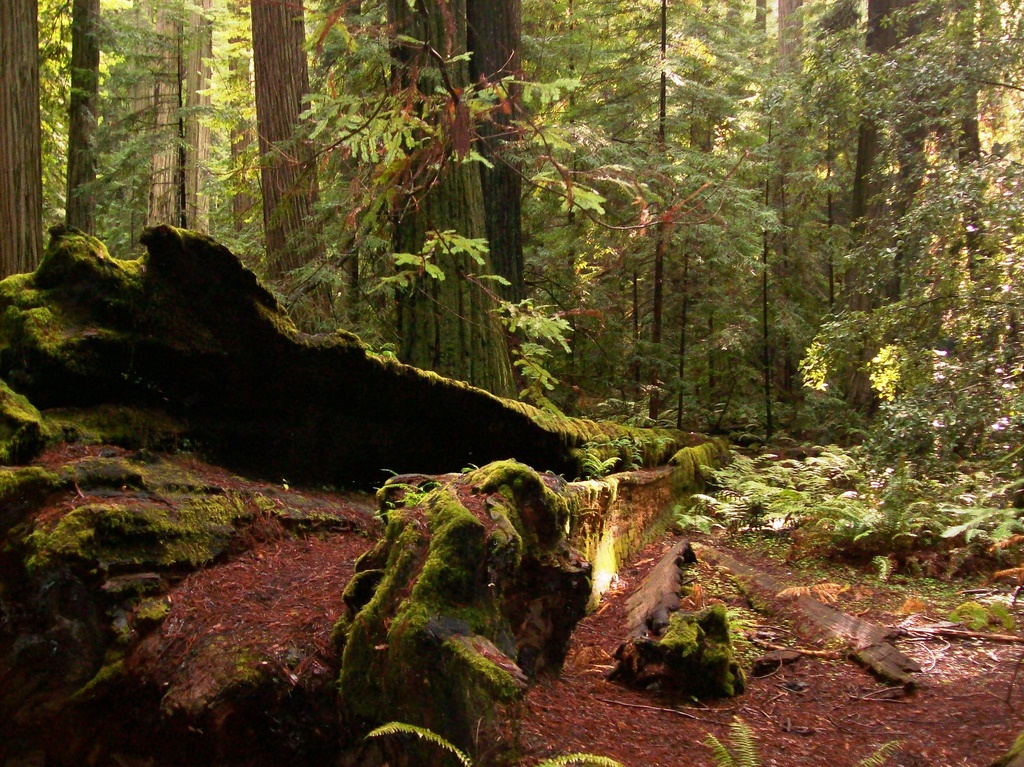
Imagine a world where we invest billions of dollars in improving ecosystem resilience to help combat climate change, all because doing so sucks up vast amounts of carbon dioxide (CO2) and provides pure oxygen in return.

by Chad Kruger on
This blog was originally posted Nov 20, 2012 by Chad Kruger here. Chad serves as Advisor to the Northwest Biocarbon Intiative and is the Director of Washington State University's Center for Sustaining Agriculture and Natural Resources.
by Sam Bliss on
One of the hottest selling items in the City of Bainbridge Island, WA is a mini split. No, it is not some new fashion statement. A mini split, also known as a ductless heat pump, heats and cools buildings of all types in ways that save money and increase comfort.
by Patrick Mazza on
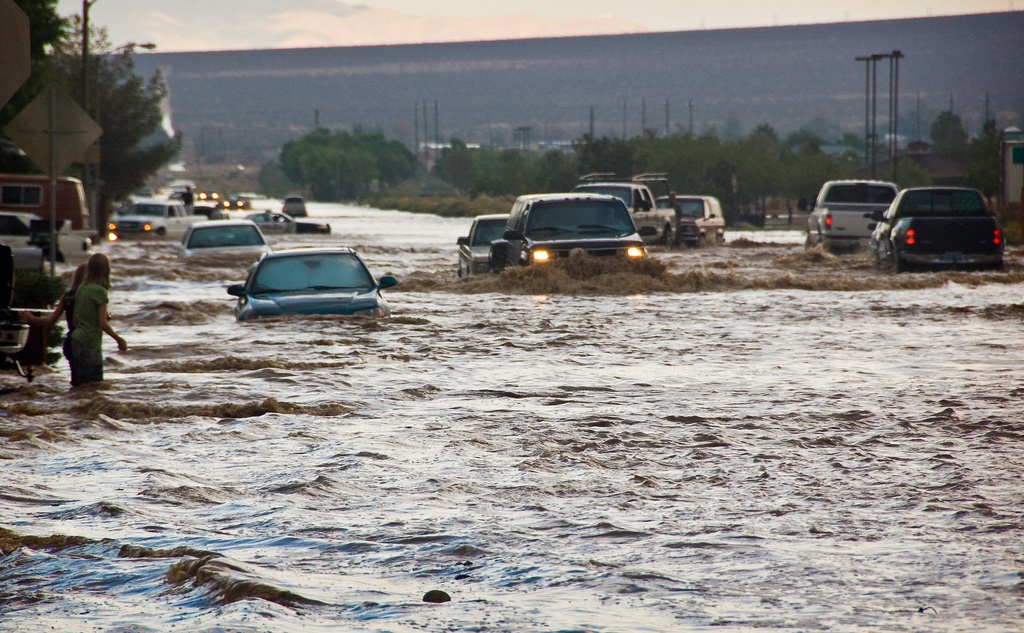
While the East Coast still struggled to recover from Superstorm Sandy, a Nov. 13th Climate Risk Roundtable convened in San Francisco to explore the challenges of keeping society’s vital systems running as the climate grows more turbulent.
by Sam Bliss on
A group of high-minded, like-minded, smart-minded, mindful, mind-bogglingly inventive individuals convened in Seattle Center's Intiman Theatre on Friday, September 7, to talk about the future of transportation fuels.
Give for a brighter future
Connect
Join our email lists to learn about what we do and to get involved.
Sign up for text alerts to help win transformative climate policy in the Northwest!
Upcoming Events
Climatecast
United states (and a province) flex for climate progress
Major media outlets show an uncertain committment to climate and clean energy journalism; while the US stalls out on climate progress, Washington, California and Quebec collaborate to reduce pollution