



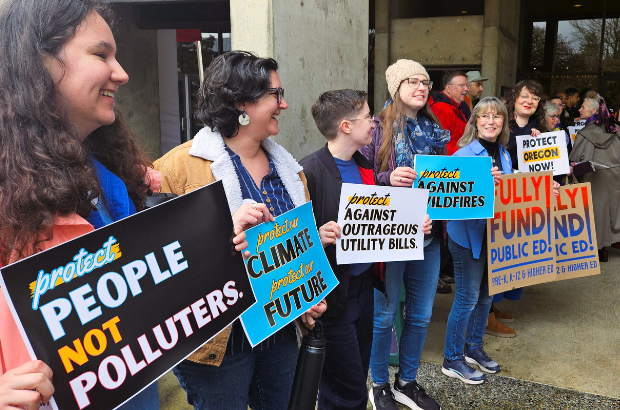


Why Oregon should keep investing in clean trucks and buses
Clean transportation is creating real benefits across Oregon, from school districts saving thousands in fuel costs to cleaner air for kids and neighborhoods. Now, advocates are urging state leaders to build on that momentum and keep proven programs moving forward.
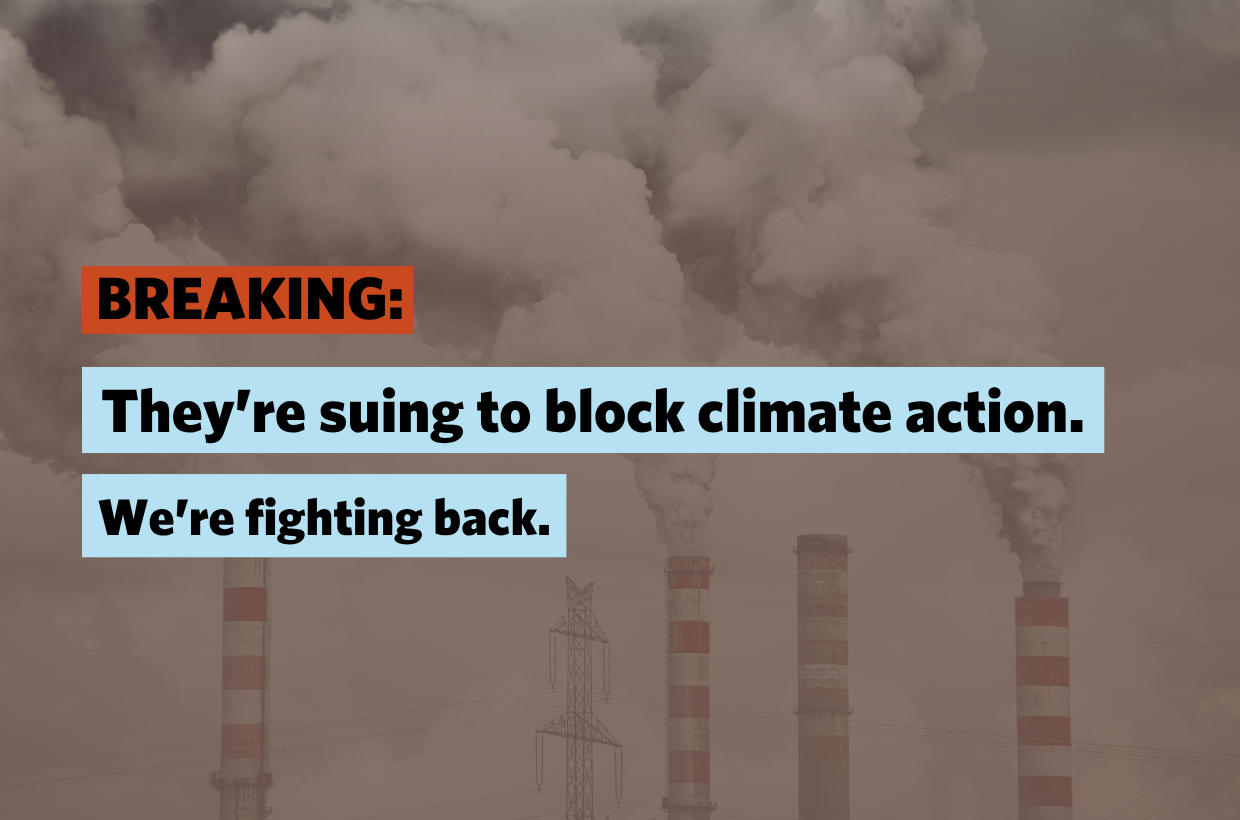
[PRESS RELEASE] A group of environmental, climate, and business organizations intervened in the Oregon Court of Appeals to defend the state’s Climate Protection Program (CPP) against challenges from the oil and gas industry.
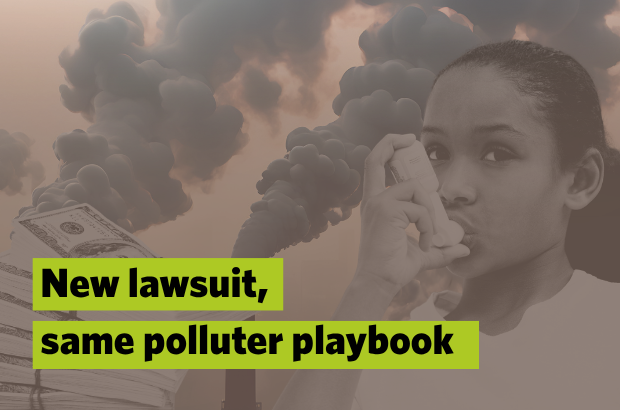
Oregon’s Climate Protection Program protects our health, cuts pollution from the state’s largest emitters, and helps shield families from rising energy costs. Big oil and gas are once again suing in court to avoid accountability. We’re committed to defending this program and ensuring a safe, healthy, affordable Oregon for today and future generations.
A decade of progress deserves to be celebrated, especially right now. In a moment when climate headlines can feel like a constant stream of bad news, Oregon’s Clean Fuels Program (CFP) turning 10 is a win worth celebrating. It is one of those rare public policies that has quietly, consistently done exactly what it was designed to do: cut pollution, improve health, and drive investment into cleaner transportation choices across the state.
Without last-minute interventions, people will go hungry when the federally-funded SNAP food stamps program comes to a halt on Nov. 1. Here's info on Northwest-based food banks and food justice organizations.
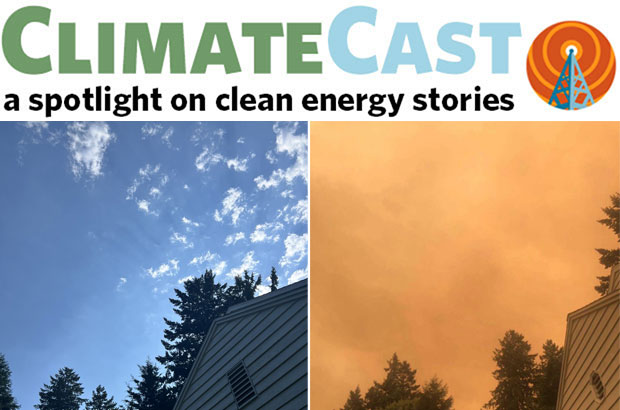
Struggling with “smoke season”? You’re not alone. This Story Spotlight launches a series of articles exploring how people are impacted by wildfires in different ways, and making the case for greater investments to cut pollution and help people access affordable solutions such as heat pumps that reduce climate pollution, filter air, and save lives.
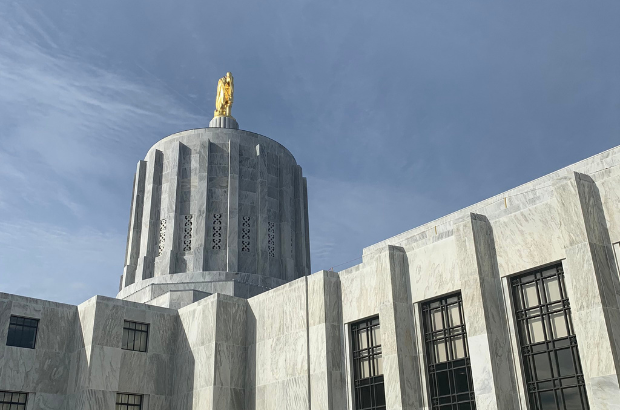
We’re officially over halfway through Oregon’s 2025 legislative session. Here’s the inside scoop on dynamics at the Capitol, the status of key clean energy and climate priorities, and how you can help keep the momentum going.
Join Climate Solutions and our partners for the Building Resilience Lobby Day at the State Capitol on Wednesday, May 7. Together, we’ll talk to legislators in Salem and push for bold action on climate, energy-efficient housing, and energy justice.
President Trump's Executive Order opposing climate action is blatantly unconstitutional—a dangerous attempt to override the will of the people and undermine states' efforts to protect public health by leading on climate and environmental justice.
The Oregon Department of Environmental Quality (DEQ) is updating the ACT and HDO rules to maintain alignment with California and ensure they stay strong. But big oil and truck manufacturer forces are trying to use this process to gut the rules. This is where you come in. Regulators need to hear from you—Oregonians who require clean air, a stable climate, and a thriving economy built around clean technology.
Join our email lists to learn about what we do and to get involved.
Sign up for text alerts to help win transformative climate policy in the Northwest!
[PRESS RELEASE] A group of environmental, climate, and business organizations intervened in the Oregon Court of Appeals to defend the state’s Climate Protection Program (CPP) against challenges from the oil and gas industry.
Oregon’s Climate Protection Program protects our health, cuts pollution from the state’s largest emitters, and helps shield families from rising energy costs. Big oil and gas are once again suing in court to avoid accountability. We’re committed to defending this program and ensuring a safe, healthy, affordable Oregon for today and future generations.
A decade of progress deserves to be celebrated, especially right now. In a moment when climate headlines can feel like a constant stream of bad news, Oregon’s Clean Fuels Program (CFP) turning 10 is a win worth celebrating. It is one of those rare public policies that has quietly, consistently done exactly what it was designed to do: cut pollution, improve health, and drive investment into cleaner transportation choices across the state.
Without last-minute interventions, people will go hungry when the federally-funded SNAP food stamps program comes to a halt on Nov. 1. Here's info on Northwest-based food banks and food justice organizations.