Blue carbon goes big Down Under
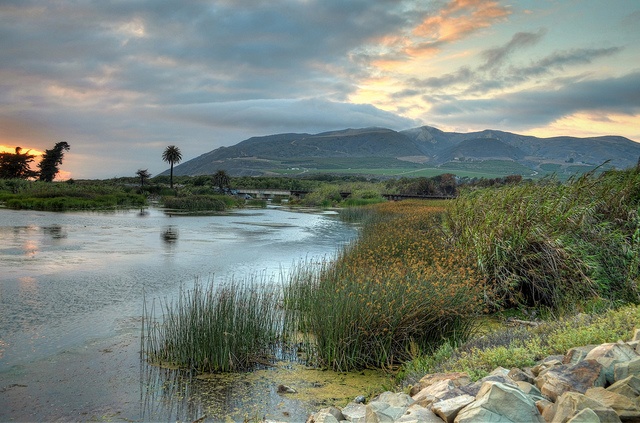
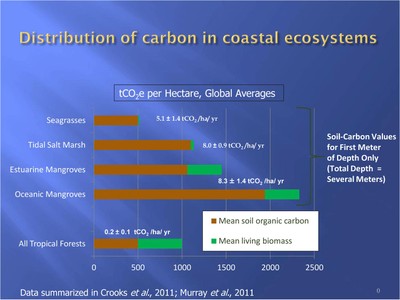
Australia is launching one of the most ambitious ‘blue carbon’ mapping projects ever. ‘Blue carbon’ is the capture and storage of carbon pollution from the atmosphere in ocean plants and sediments on the seabed.
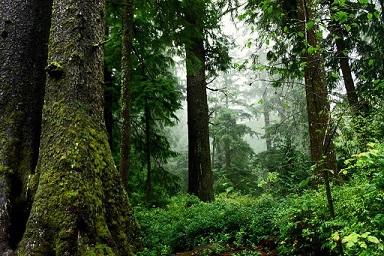
Dr. Nadkarni is a forest ecologist, sometimes known as “Queen of the Forest Canopy” for her pioneering work in understanding the ecological dynamics up in the treetops. She is also incredibly creative and committed to fostering public understanding of science and nature.
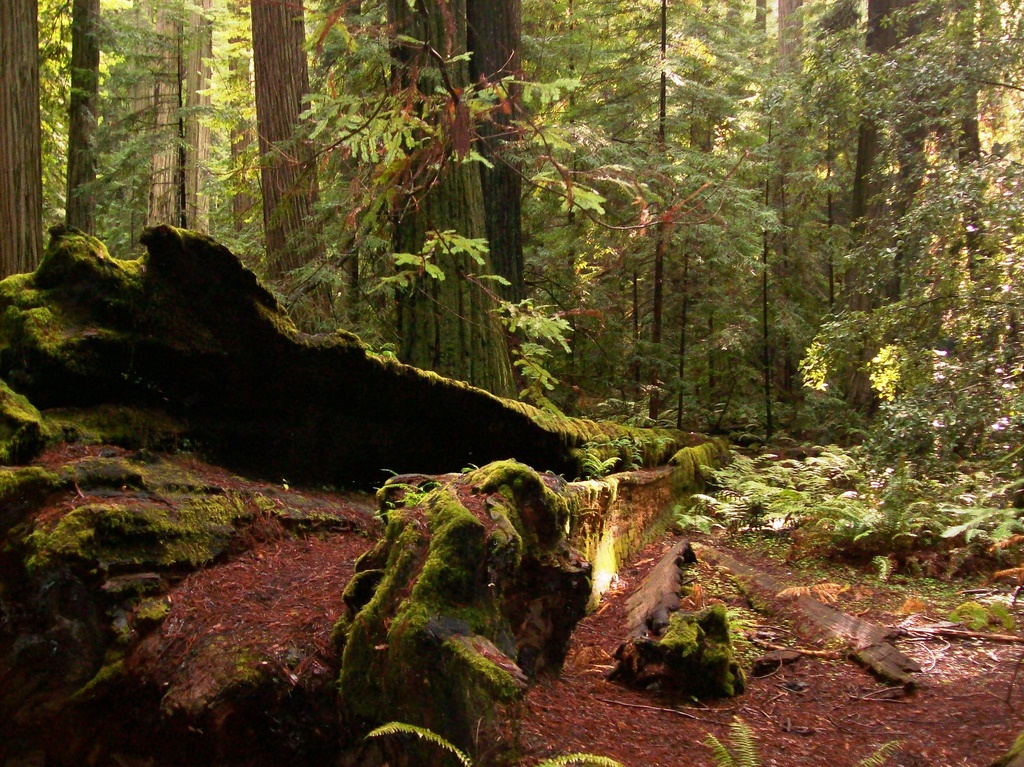
Global biodiversity avatar Thomas Lovejoy sees a climate endgame in sight, title of his recent New York Times op-ed. Lovejoy points to biocarbon, nature’s capacity to capture and store carbon through plant growth.
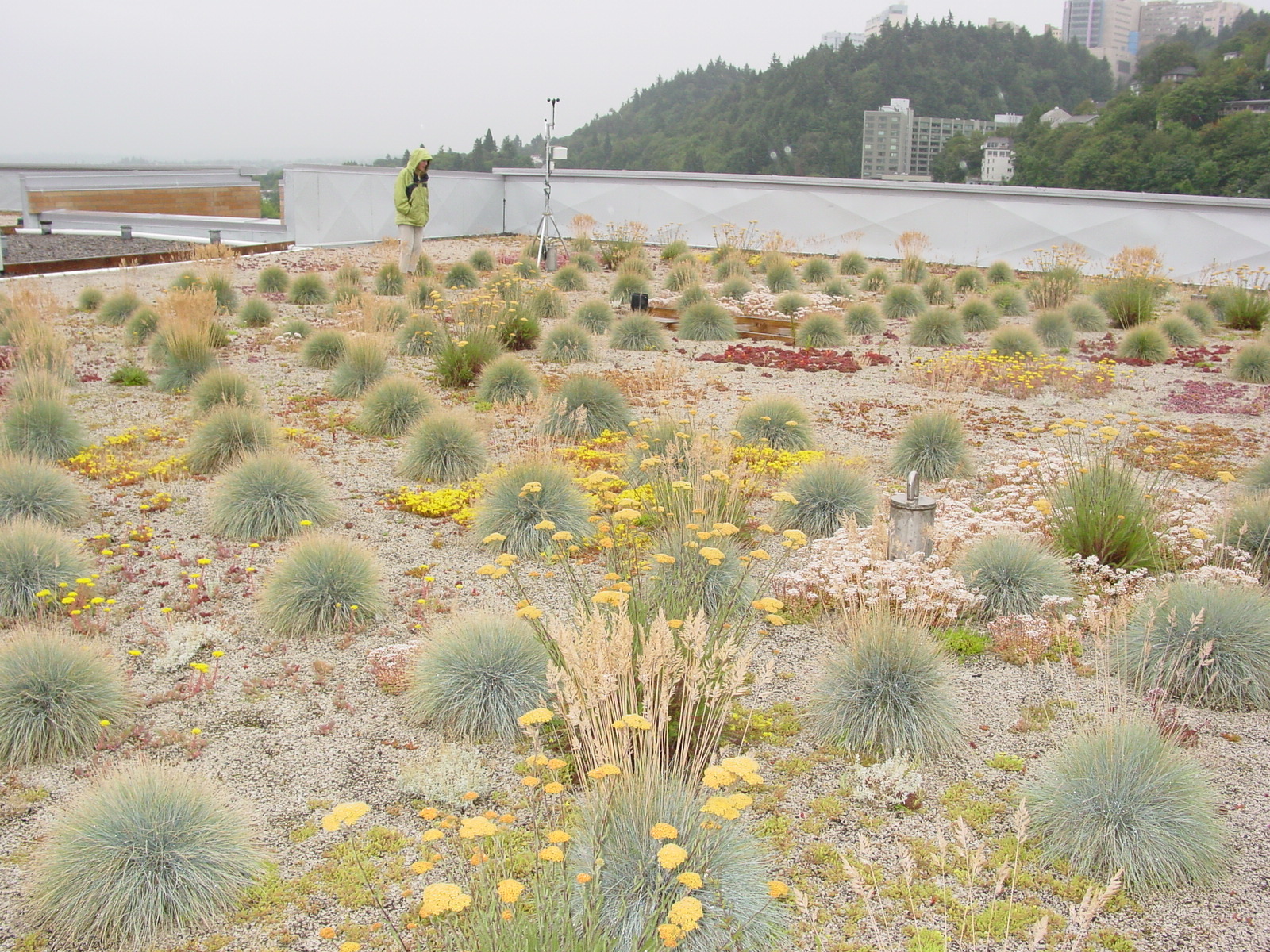
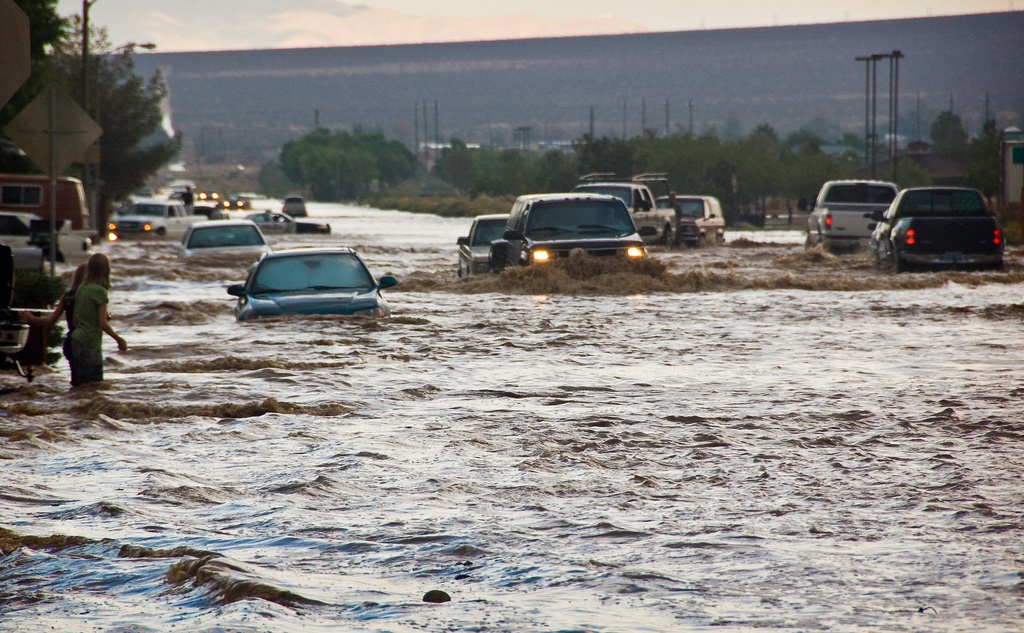
We know ‘green infrastructure’ can provide low-cost solutions for communities to better handle those big pulses of water gushing over roads and into pipes when the big rains come… and we know greening our cities is good for biocarbon and for the human spirit.
Imagine a world where we invest billions of dollars in improving ecosystem resilience to help combat climate change, all because doing so sucks up vast amounts of carbon dioxide (CO2) and provides pure oxygen in return.
While the East Coast still struggled to recover from Superstorm Sandy, a Nov. 13th Climate Risk Roundtable convened in San Francisco to explore the challenges of keeping society’s vital systems running as the climate grows more turbulent.
Climate and clean energy policies are a boon to Massachusetts economy.
The Soil Carbon Challenge is a “competition to see how fast land managers can turn atmospheric carbon into soil organic matter. If you want to find out how fast a human can run 100 meters, do you build a computer model, do a literature search, or convene a panel of experts on human physiology to make a prediction? No, you run a race. Or a series of them.”
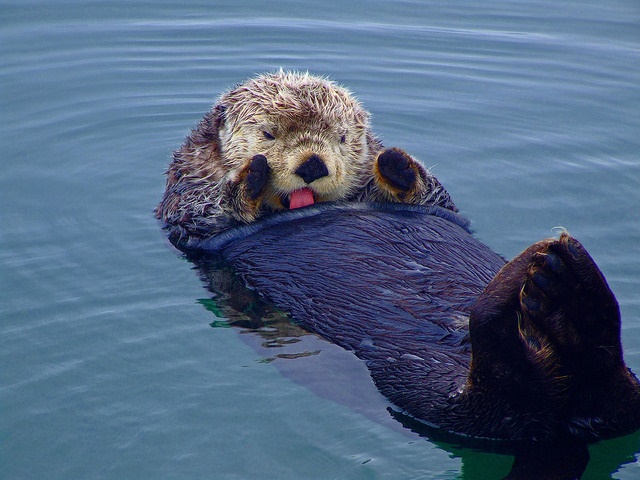
On a marine wildlife cruise in Alaska recently I got to touch a sea otter pelt–it was so luxuriously soft my knees almost buckled with pleasure. A new study found that these critters are not only super-cuddly, they also play an outsized role in sucking up carbon from the atmosphere and storing it safely away in the sea.
Biochar has had an interesting run over the past several years. As with so many other emerging climate solutions, biochar burst into public aw