Latest News
by David R. Montgomery and Slayde Hawkins Dappen on
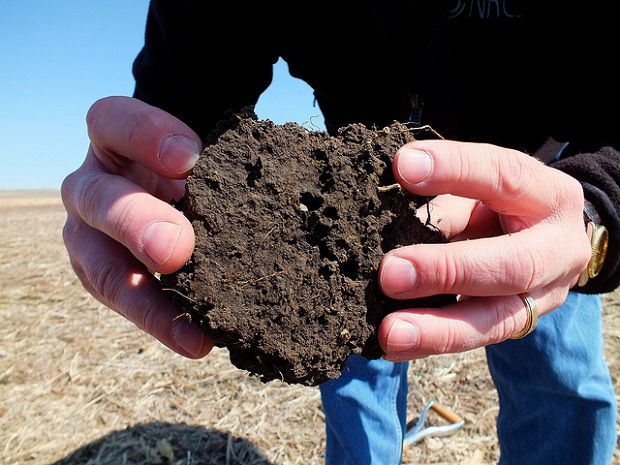
Soil—humble, lowly, everyday dirt—is an essential, irreplaceable, and strategic resource. And, as described in the keynote presentation at the recent Northwest Biocarbon Summit, soil degradation is at the heart of an under-appreciated global crisis.
by Mitch Friedman on
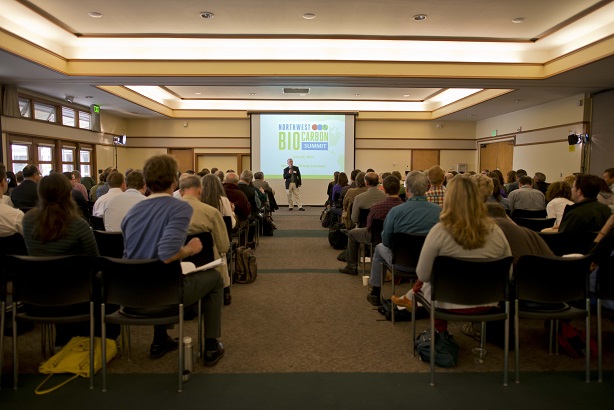
NBI Advisory Committee member Mitch Friedman, who leads Conservation Northwest, was the first out of the gate to offer his reflections on the 2013 Northwest Biocarbon Summit.
by David Hastings on
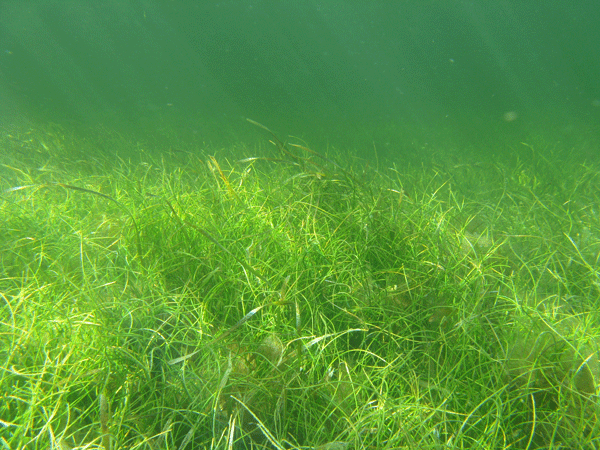
By preserving and expanding areas of coastal vegetation such as mangroves, sea grass beds, and marshes, we can mitigate some of the effects in burning fossil fuels and turn the tide on our rising greenhouse gas emission
by Rich Feldman on
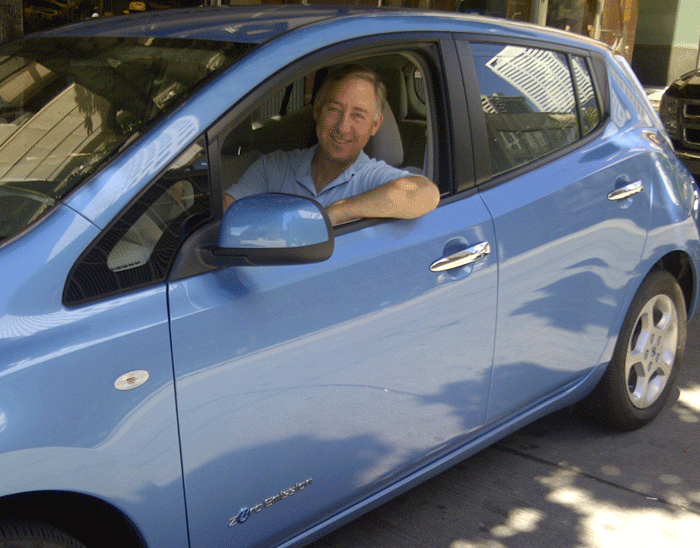
The early results are in: electric vehicles (EVs) are selling faster than the Toyota Prius hybrid did when it was first introduced to the market, and this is particularly true in the Northwest.
by Teresa Koper on
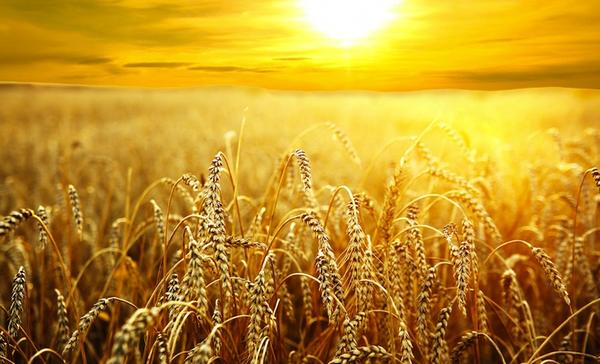
What agricultural practices have the most immediate potential for making a significant contribution to protecting our climate? Think biocarbon.
by Wendy Peterman on
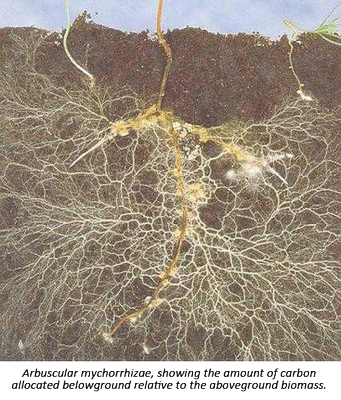
For over a decade, scientists have argued that mycorrhizal fungi should be included in models of global carbon cycling, but they have struggled with exactly how to incorporate below-ground microbial processes into vegetation and carbon models.
by Jessica Finn Coven on
On May 13, the Washington State legislature started its 30 day special session, an addition to the 105 day “regular” session that ended last month. Unable to pass a budget during the regular session, the legislators are back after meeting with constituents in their home districts. Here's a look at some of the key budget issues that Climate Solutions is following.
by Rhys Roth on
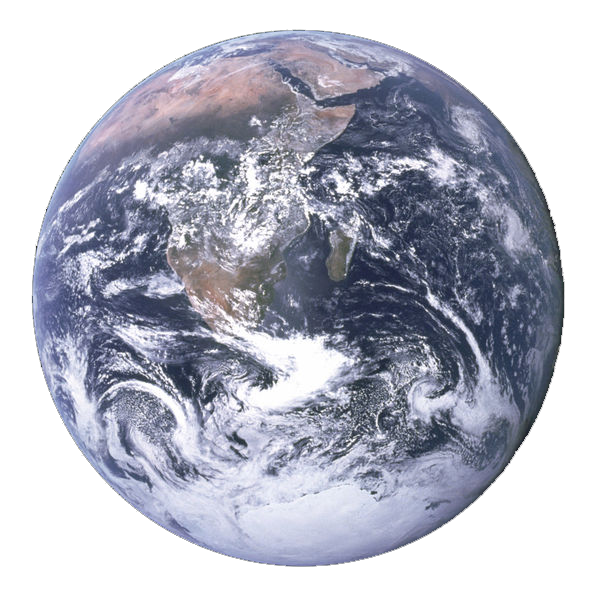
The only way back to Target 350 is to stop putting so much carbon pollution in the air and at the same time to remove a lot of the accumulated carbon from the air.
by David Hastings on
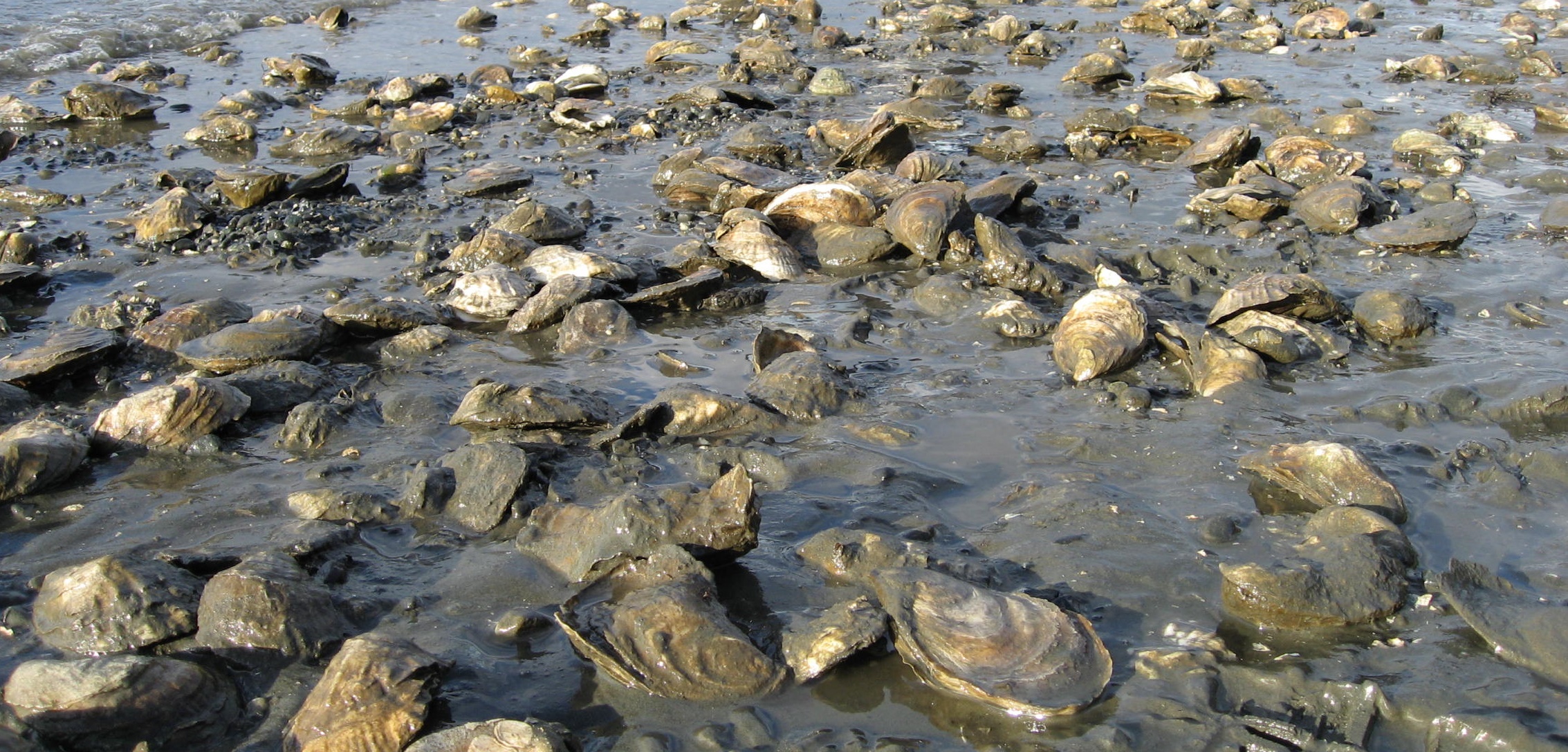
The oceans do us a huge favor: almost one-third of the carbon dioxide we produce doesn’t stay in the atmosphere, but ends up in the ocean. Given the problems with global warming, you’d think that the less CO2 in the air, the better. In general, that’s true, but CO2 dissolving in the ocean is causing its own set of problems.
by Anonymous on
A conversation between Chad Kruger, Director of WSU Center for Sustaining Agriculture and Natural Resources, and Allan Savory, President and Co-Founder of the Savory Institute Fight climate change by adding more livestock to the land? Not surprisingly, that is a controversial proposition.
Give for a brighter future
Connect
Join our email lists to learn about what we do and to get involved.
Sign up for text alerts to help win transformative climate policy in the Northwest!
Upcoming Events
Climatecast
United states (and a province) flex for climate progress
Major media outlets show an uncertain committment to climate and clean energy journalism; while the US stalls out on climate progress, Washington, California and Quebec collaborate to reduce pollution