Latest News
by Climate Solutions on
For the past 18 months, Rhys Roth, Climate Solutions' co-founder and Director of Strategic Innovation, has served as lead staff to the Northwest Biocarbon Initiative (NBI). After 15 extraordinary years at Climate Solutions, Rhys is heading out for new career adventures and exciting changes are in the works at NBI and Climate Solutions.

by Eileen V. Quigley on
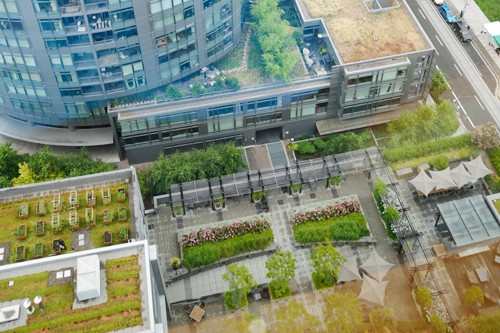
On August 1, the City of Portland graciously hosted the Northwest Biocarbon Initiative (NBI) along with our partners at Ecotrust and the Willamette Partnership to announce the release of NBI’s new report, Natural Infrastructure: A Climate-Smart Solution.
by Eileen V. Quigley on
On August 1, the City of Portland graciously hosted the Northwest Biocarbon Initiative (NBI) along with our partners at Ecotrust and the Willamette Partnership to announce the release of NBI’s new report, Natural Infrastructure: A Climate-Smart Solution.
by csadmin on
The Northwest Biocarbon Initiative, City of Portland Bureau of Environmental Services, Ecotrust, and the Willamette Partnership provided a briefing on the climate and economic benefits of natural infrastructure in Portland and the Willamette Valley, announced the release of Natural Infrastructure: A Climate-Smart Solution, and led a 45-minute tour of multiple natural infrastructure projects in Portland's South Waterfront area.

by Patrick Mazza on
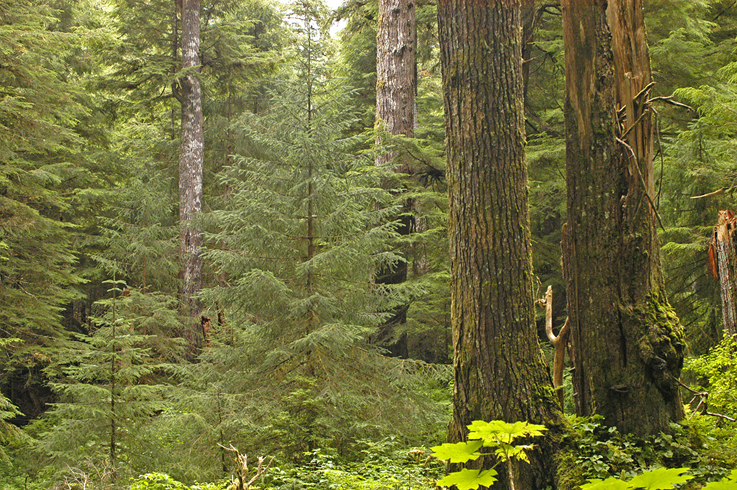
Outside of humans, beavers have more impact on landscapes than virtually any other species. Now a new study reveals those hardworking animals not only build dams but biocarbon storage as well.
by Dominick DellaSala on
The President’s groundbreaking speech on climate change was an historic step to follow up on his message to Congress that if they don’t take action on climate change, he will. But will he now follow suit by taking even bolder actions on forests? The President’s groundbreaking speech on climate change was as an historic step to follow up on his message to Congress that if they don’t take action on climate change, he will. But will he now follow suit by taking even bolder actions on forests? - See more at: http://www.climatesolutions.org/article/1407967734-president-obama-deli…
by Eileen V. Quigley on
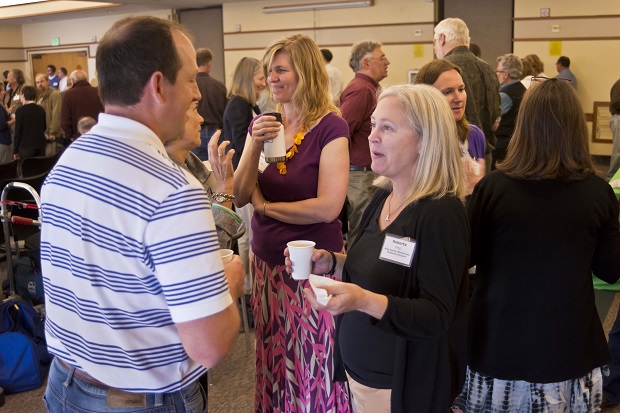
A capacity crowd of 160 thought leaders and innovators gathered on June 10, 2013 at the University of Washington's Center for Urban Horticulture in Seattle for the first-ever Northwest Biocarbon Summit.
by Jessica Finn Coven on
While much of the media attention of the state legislature session focused on the near government shutdown and the budget negotiations, the legacy of the 2013 Washington State legislative session may ultimately come down to the very first bill signed into law—Governor Inslee’s Climate Action Bill.
by Rhys Roth on
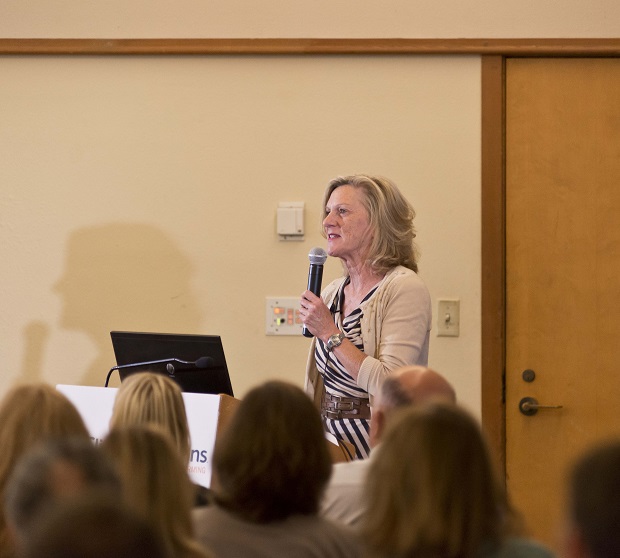
One of the special highlights at the Northwest Biocarbon Summit–for me and many others–was a remarkable series of “Speed Talks” by real-world Northwest practitioners who brought to life the full portfolio of biocarbon solutions.
by Taylor Jordan on
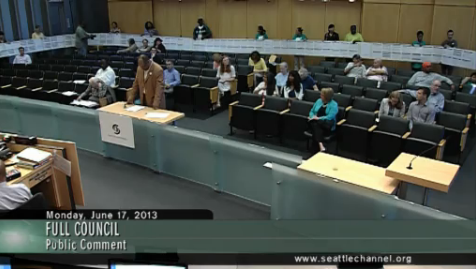
The Seattle City Council voted unanimously to pass the Seattle Climate Action Plan this past Monday, resolving to pursue a broad set of strategies to achieve the city's long-term goal of carbon neutrality by 2050.
Give for a brighter future
Connect
Join our email lists to learn about what we do and to get involved.
Sign up for text alerts to help win transformative climate policy in the Northwest!
Upcoming Events
Climatecast
United states (and a province) flex for climate progress
Major media outlets show an uncertain committment to climate and clean energy journalism; while the US stalls out on climate progress, Washington, California and Quebec collaborate to reduce pollution