Latest News
by Rhys Roth on
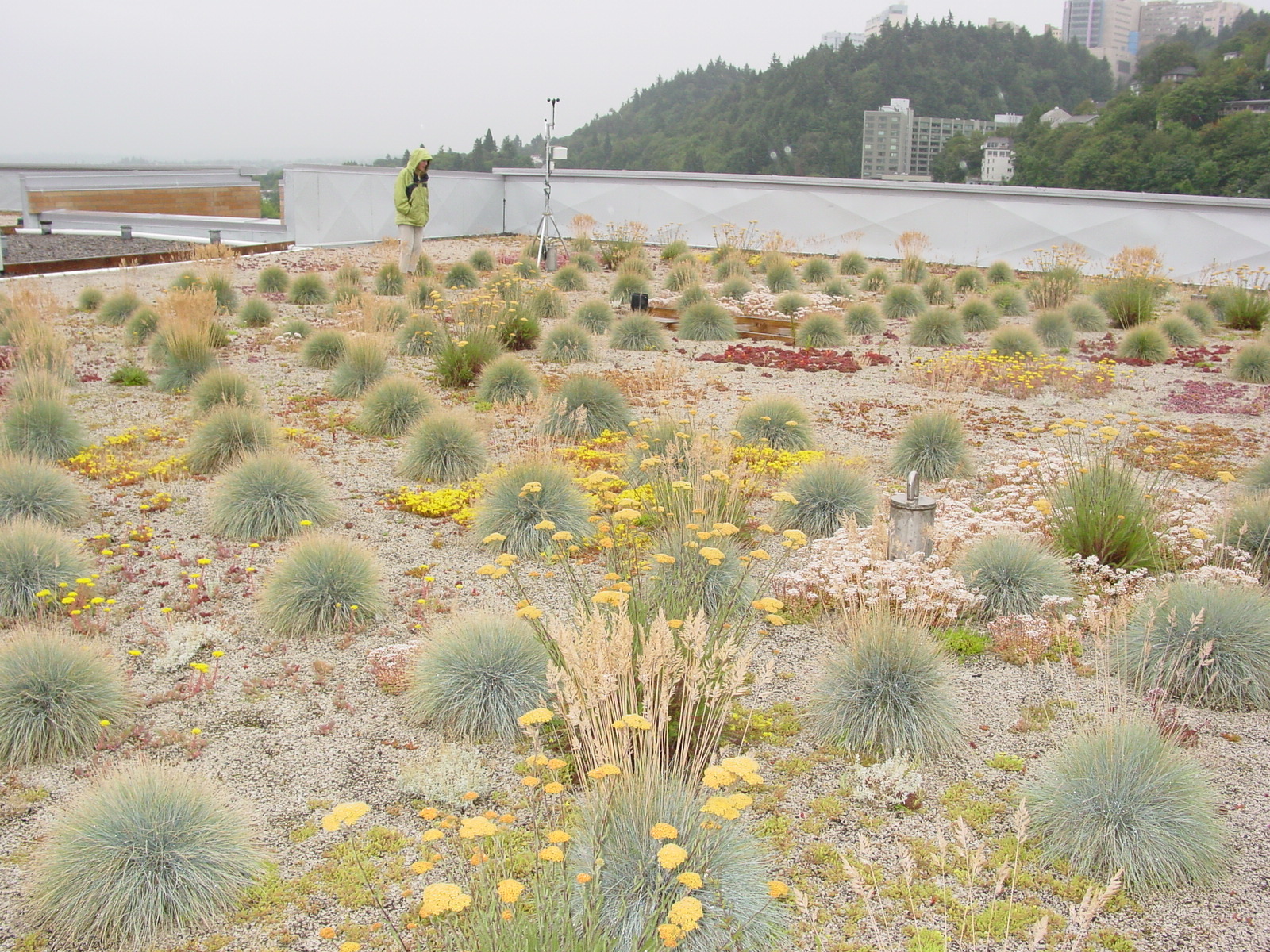
We know ‘green infrastructure’ can provide low-cost solutions for communities to better handle those big pulses of water gushing over roads and into pipes when the big rains come… and we know greening our cities is good for biocarbon and for the human spirit.
by Eileen V. Quigley on
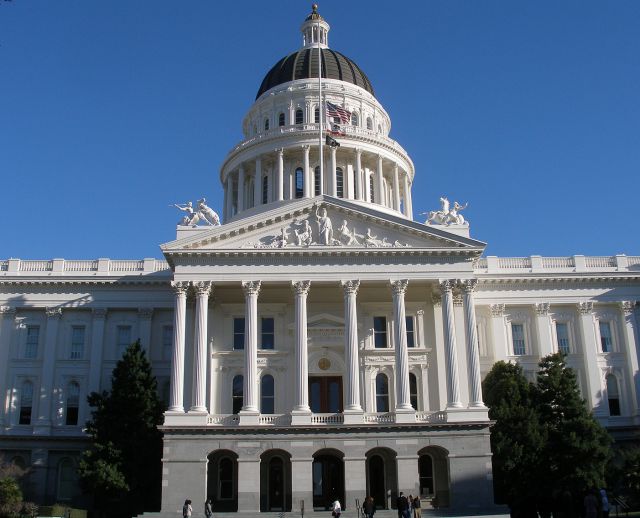
In the absence of national climate and energy policy, US local and regional leaders are developing the climate and clean energy policies, strategies, and projects required to reduce carbon emissions and the state of California is the gold standard for climate policy leadership and community-supported clean energy innovation. The state has set specific goals and targets, requires participation of cities in achieving those goals, and supports communities with specific, effective energy efficiency and clean energy programs.
by Bobby Hayden on
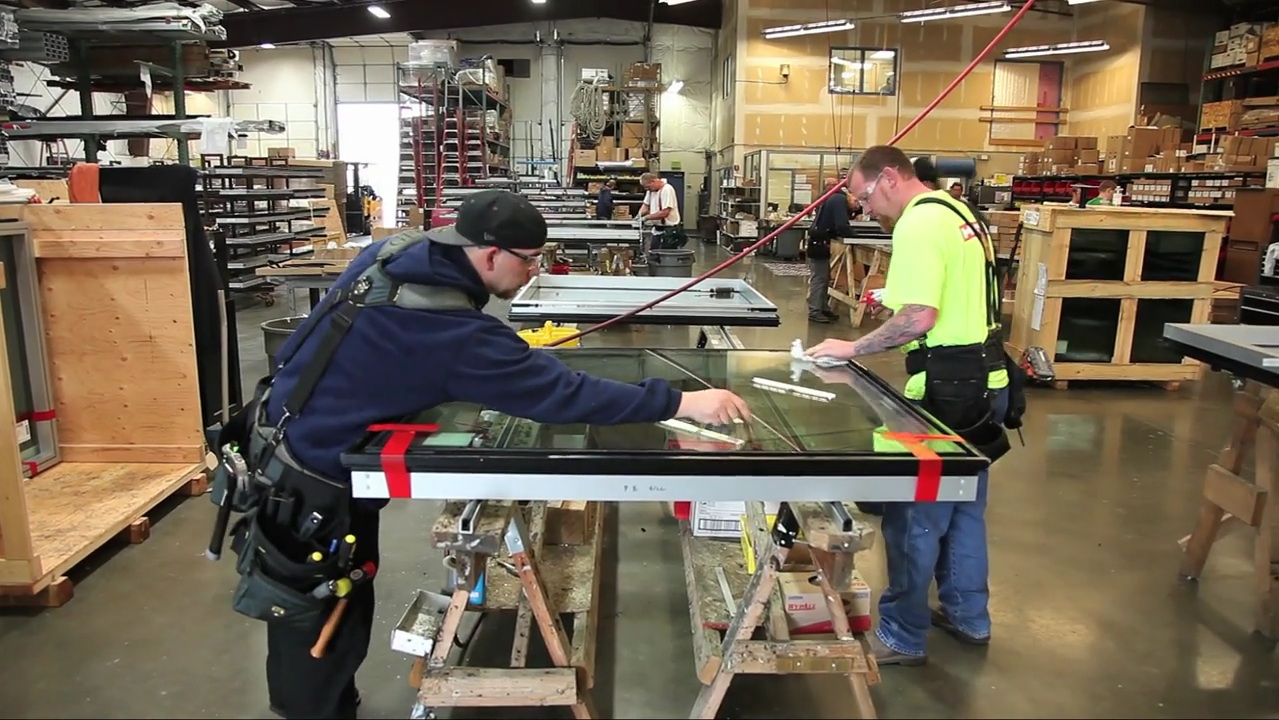
A team of partners is developing the greenest commercial building in the
by Bobby Hayden on
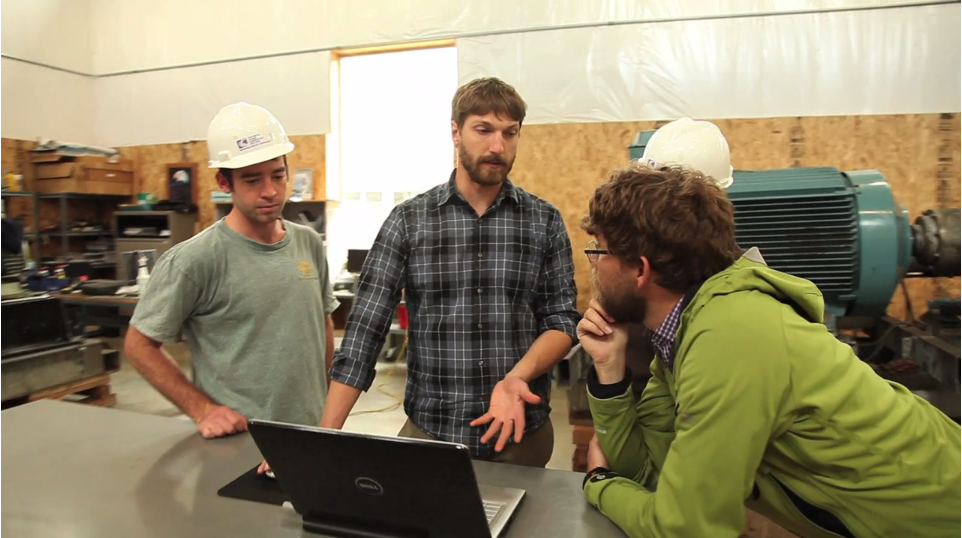
How can students design and implement real world solutions to discover the power and the possibility of renewable energy as a career?
by Elizabeth Willmott on
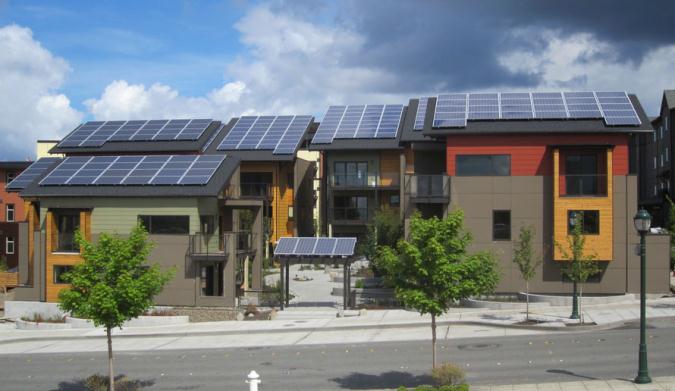
City officials who want to address climate change know that lowering the carbon emissions in the built environment requires bold steps—especially in the context of population growth and increased development. Well-intentioned city officials often sign up for aggressive city climate action plans, but then falter when it comes to implementation. One exceptional stand-out is Issaquah, WA (population 24,930), where the City’s leaders are confronting carbon emissions head-on.
by Eileen V. Quigley on
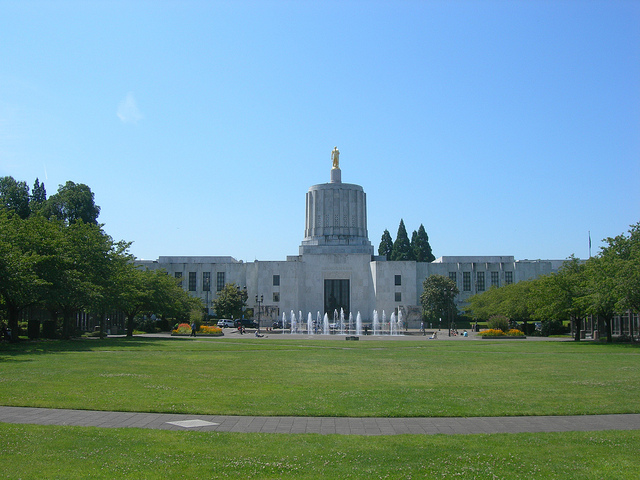
The New Energy Cities joined close to 200 Oregon mayors and city managers in Bend, OR on January 22, 2013 at the Oregon Governor’s Cutting Edge Communities Symposium.
by Bobby Hayden on
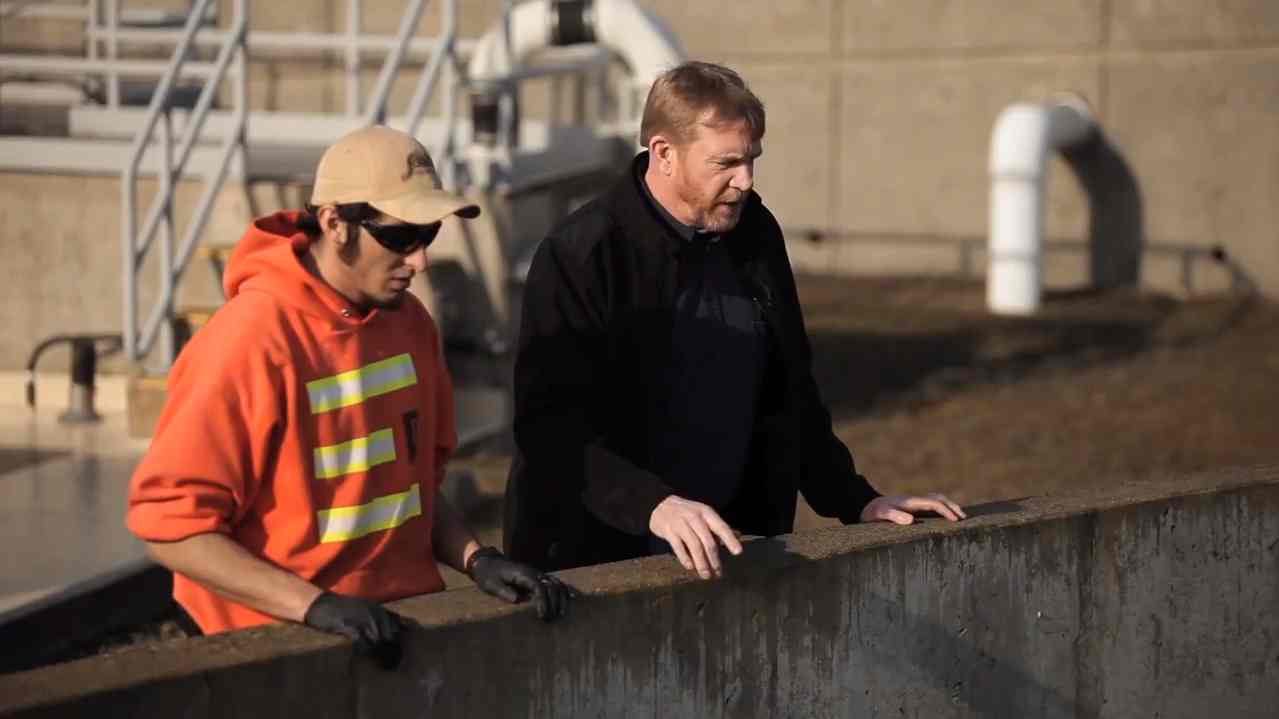
Through public-private partnerships, the City of Bremerton's Public Utilities department was able to quickly upgrade their wastewater facility to run more efficiently and save the City money.
by Elizabeth Willmott on
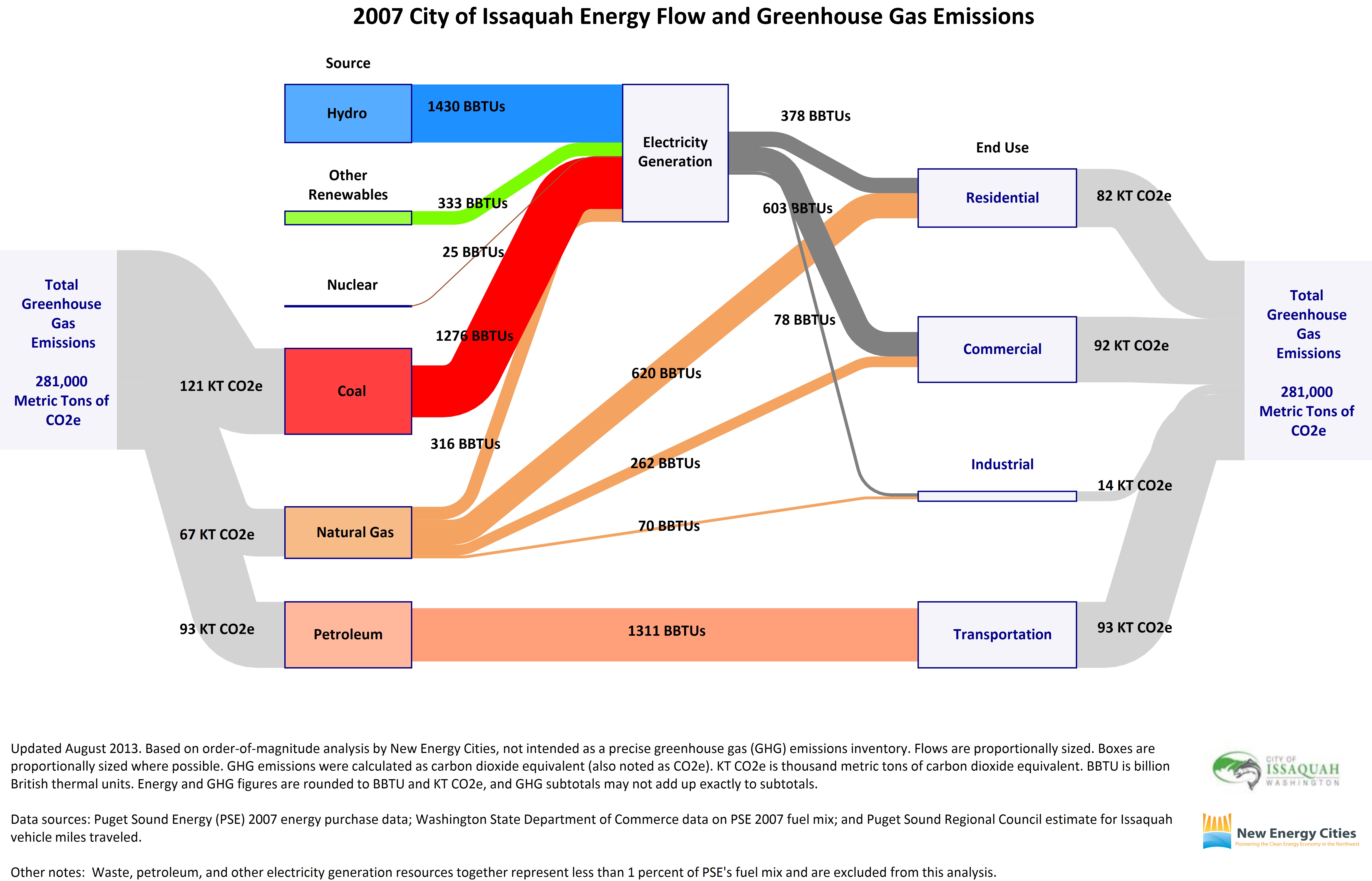
Cities account for 70 percent of global greenhouse gas (GHG) emissions, which means that helping cities tackle GHG reduction is mission critical. At the New Energy Cities program, we work with small- to medium-sized Northwest cities to reduce carbon emissions by accelerating climate-smart, clean energy solutions in eco-mobility, renewable energy, highly efficient and intelligent buildings, and smart grid technology. Here’s our approach:

by Eileen V. Quigley on
As 2013 gets underway, the United States continues to operate without national climate or energy policies, nor national carbon pricing.
by Bobby Hayden on
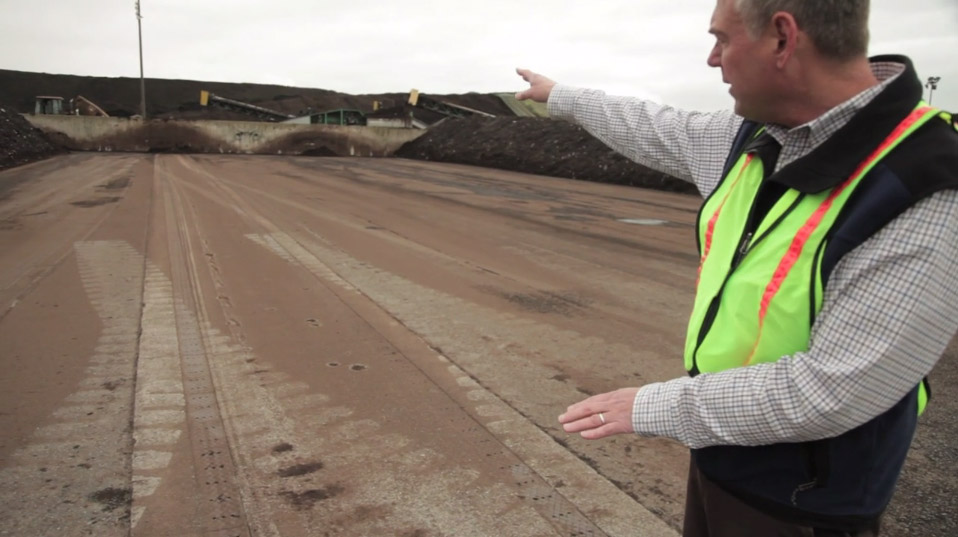
How a family-owned composting business transforms the Northwest garbage industry, captures carbon, changes consumer behavior and creates jobs.
Give for a brighter future
Connect
Join our email lists to learn about what we do and to get involved.
Sign up for text alerts to help win transformative climate policy in the Northwest!
Upcoming Events
Climatecast
United states (and a province) flex for climate progress
Major media outlets show an uncertain committment to climate and clean energy journalism; while the US stalls out on climate progress, Washington, California and Quebec collaborate to reduce pollution