Latest News
by Rhys Roth on
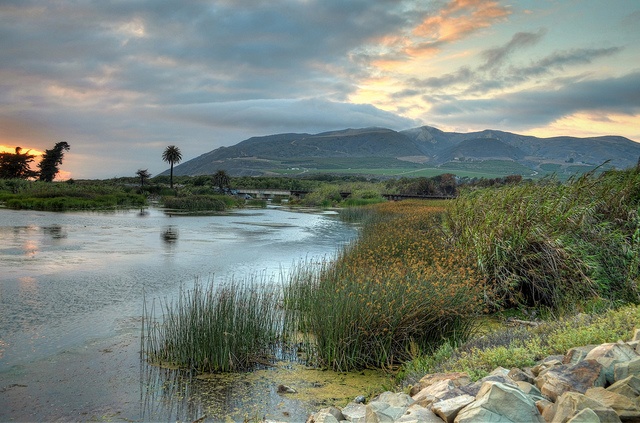
Australia is launching one of the most ambitious ‘blue carbon’ mapping projects ever. ‘Blue carbon’ is the capture and storage of carbon pollution from the atmosphere in ocean plants and sediments on the seabed.

by Rhys Roth on
Dr. Nadkarni is a forest ecologist, sometimes known as “Queen of the Forest Canopy” for her pioneering work in understanding the ecological dynamics up in the treetops. She is also incredibly creative and committed to fostering public understanding of science and nature.

by Elizabeth Willmott on
To say that transportation is a headache for city leaders, businesses, residents, and employees in Hillsboro, OR would be an understatement. These challenges are partly the result of good economic fortune: Hillsboro has grown from a sleepy town to an employment center over the past decade to over 90,000 residents—with two consecutive expansions of a large Intel campus in the past year, hundreds of residential housing units coming online in the span of months, and new companies locating in the city on a regular basis.
by Rhys Roth on
Are you a “locavore”? Do you like eating high-quality foods produced from not too far away, by farmers with real faces and families?
by Elizabeth Willmott on
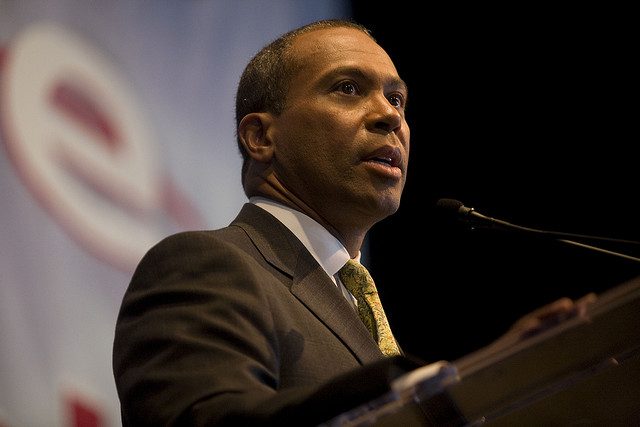
On February 15, the Massachusetts Clean Energy Center and the Massachusetts Department of Energy Resources’ Green Communities Division announced the first six grantees of the Community Energy Strategies Pilot Program, a $500,000 state program to help local communities identify and implement strategies in energy efficiency and renewable energy to meet their local energy needs.
by Eileen V. Quigley on
Tom Steyer is a national advocate for investing in clean energy solutions to address climate change whose targeted investments in renewable energy research, advanced energy solutions, and community-building strategies are aimed squarely at the intersection of economic development and environmental protection.
by Patrick Mazza on
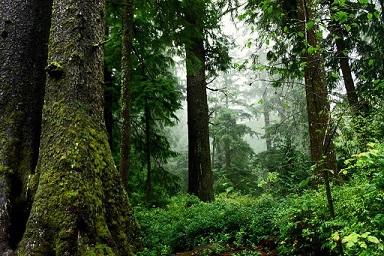
Global biodiversity avatar Thomas Lovejoy sees a climate endgame in sight, title of his recent New York Times op-ed. Lovejoy points to biocarbon, nature’s capacity to capture and store carbon through plant growth.
by Ross Macfarlane on
There’s an old joke that explains the difference between being “involved” and being “committed.” Think of a ham and eggs breakfast. The hen is involved, the pig is committed. Recent developments make clear that Cloud Peak Energy is fully committed to coal exports from Washington terminals.
by Ross Macfarlane on
A new Sightline report details huge financial risks for Australian coal export startup.
by Eileen V. Quigley on
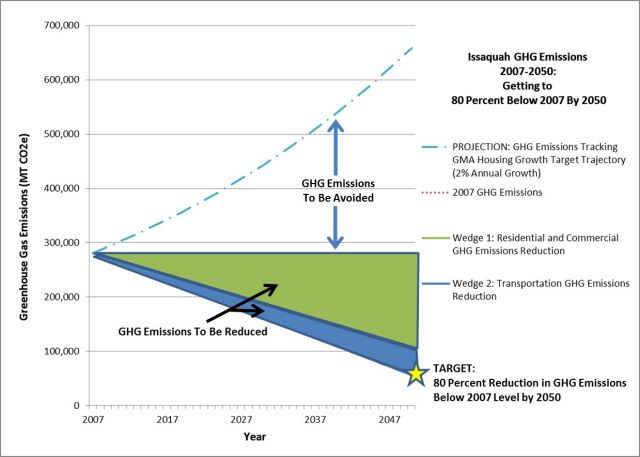
Working with numerous Northwest cities over the past four years, the New Energy Cities team has learned many lessons about how cities can accelerate the adoption of climate-smart, clean energy solutions. However, none was more instructive than the need for setting a clear, aggressive greenhouse gas (GHG) emissions reduction with metrics. I know how process-heavy this sounds, but stay with me because this is really important.
Give for a brighter future
Connect
Join our email lists to learn about what we do and to get involved.
Sign up for text alerts to help win transformative climate policy in the Northwest!
Upcoming Events
Climatecast
United states (and a province) flex for climate progress
Major media outlets show an uncertain committment to climate and clean energy journalism; while the US stalls out on climate progress, Washington, California and Quebec collaborate to reduce pollution