


Oregon’s New Energy Strategy Confirms the Path Forward: Clean, Affordable, Reliable
The long-awaited Energy Strategy report is here, providing a roadmap for a clean energy transition, and, with the first-of-its-kind climate executive order from Governor Kotek that directs swift implementation of the findings, a cleaner, reliable, and more affordable energy future is more possible than ever before.
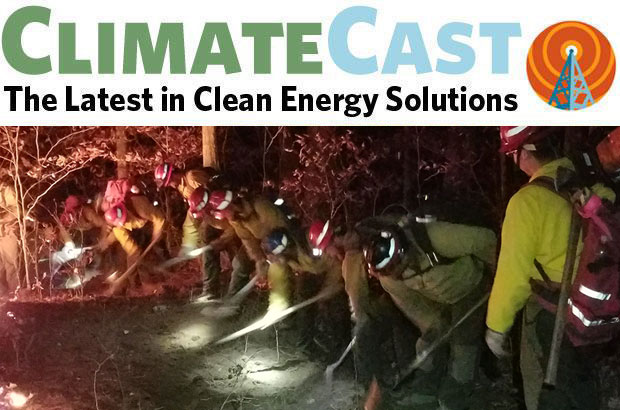
ICE raids threaten vital wildfire response. States respond as the Trump administration expands its war on clean energy and climate progress.
In recent rate cases, we have secured big wins for customers and the climate! This spring, we reached an agreement with Avista Gas to reduce climate pollution through an electrification pilot. In our NW Natural rate case, we have an agreement to eliminate gas subsidies for developers, and we are still fighting to improve energy choice for low-income customers.
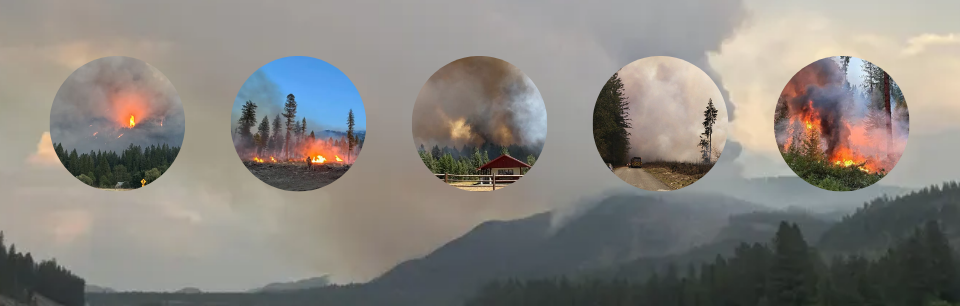
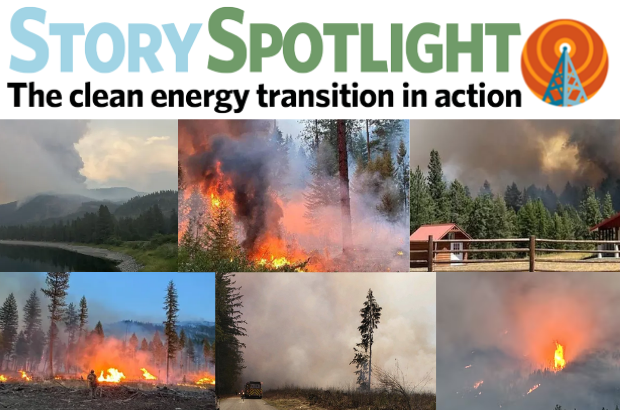
Struggling with “smoke season”? You’re not alone. This Story Spotlight launches a series of articles exploring how people are impacted by wildfires in different ways, and making the case for greater investments to cut pollution and help people access affordable solutions such as heat pumps that reduce climate pollution, filter air, and save lives.
EPA's new rules, The big "beautiful" bill, The data center boom, and funding impacts on BIPOC farmers and environmental programs
Something is up, and unfortunately, it may be a higher utility bill for Oregon gas customers. In a time when communities are already bracing for Congressional Republicans’ new energy tax hike, NW Natural Gas Company is trying to raise costs on Oregonians as well. Even worse, they aim to raise our gas bills to boost their shareholders’ profits and invest in expensive fuels under the guise of decarbonization, rather than providing lower-income customers with the option to install an energy-efficient heat pump! Climate Solutions does not intervene in every rate case, but when we think there is…
Oregon’s 2025 legislative session delivered mixed results for climate progress. Sound familiar? That’s because this is the second year in a row that Oregon lawmakers fell short of delivering the bold investments and climate action this moment demands. While we secured hard-fought wins and defended against serious threats that would unwind existing progress, this was far from a banner year for climate action in Oregon. Still, this session laid important groundwork, and we have a clear call to action for the road ahead.
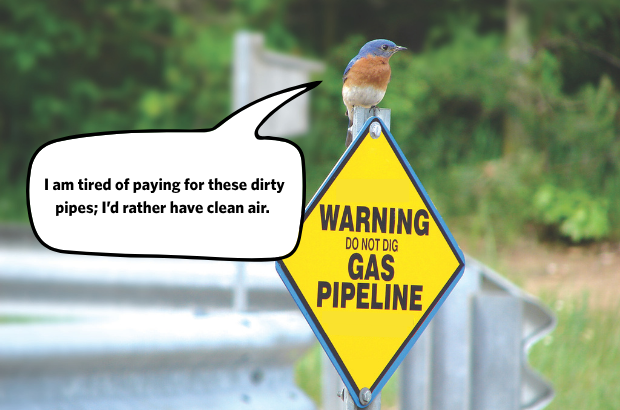
Oregon lawmakers have taken action to improve public oversight of gas utilities’ hydrogen “pipe dreams.”
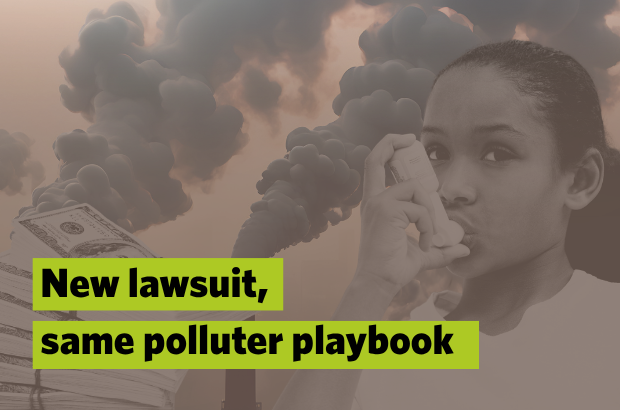
Everyday necessities shouldn’t come with everyday pollution. Yet the goods and resources we rely on are delivered by a freight system powered largely by diesel. This is bringing toxic emissions into our neighborhoods, schools, and lungs. Diesel pollution is not just an environmental issue, it’s a public health crisis, especially for children.
JUST IN: As of yesterday, the Oregon leaders decided on a major setback to clean air and climate progress. They announced a two-year delay to the state’s Advanced Clean Trucks (ACT) rule. This delay comes after relentless lobbying by Big Oil and national truck manufacturers—and it's our communities who will bear the consequences: more diesel pollution, more asthma, more climate harm.
Join our email list to learn about what we do and how to get involved.
In recent rate cases, we have secured big wins for customers and the climate! This spring, we reached an agreement with Avista Gas to reduce climate pollution through an electrification pilot. In our NW Natural rate case, we have an agreement to eliminate gas subsidies for developers, and we are still fighting to improve energy choice for low-income customers.
JUST IN: As of yesterday, the Oregon leaders decided on a major setback to clean air and climate progress. They announced a two-year delay to the state’s Advanced Clean Trucks (ACT) rule.
This delay comes after relentless lobbying by Big Oil and national truck manufacturers—and it's our communities who will bear the consequences: more diesel pollution, more asthma, more climate harm.