Tell the EPA: carbon pollution is dangerous
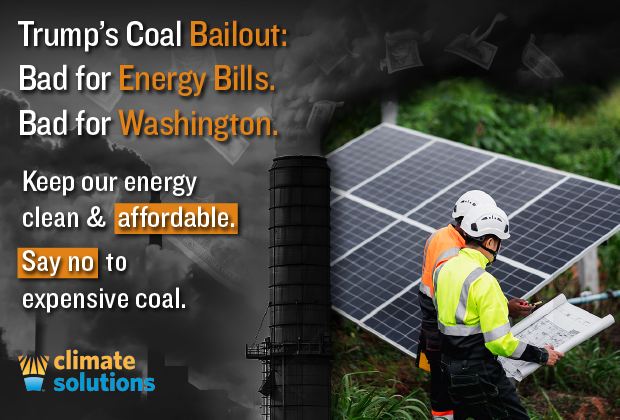
The Trump administration is working to eliminate the federal government's ability to fight climate change altogether.
Oregon’s legislative session is almost over, and lawmakers have only passed one of nine critical bills in the Energy Affordability and Resilience Package. The rest are still sitting on the table, and we need your help to move them forward.
Right now, Oregon legislators are drafting a sweeping transportation funding package. Without major course correction, it will fail to meet our state’s climate and equity goals. Transportation is our state’s largest source of climate pollution. Yet the current transportation proposal does not include any investment in clean vehicles or charging infrastructure.
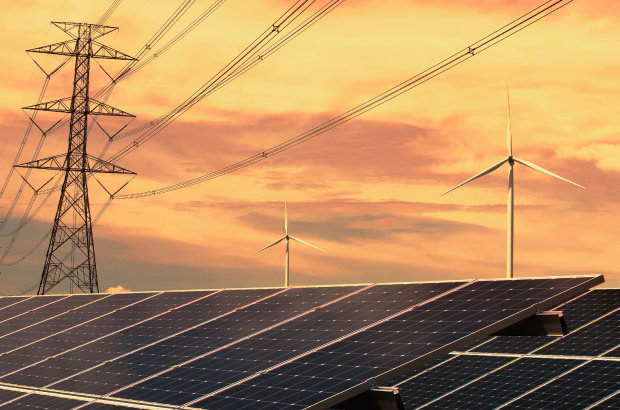
To achieve Oregon’s 100% clean energy goals reliably and affordably, we need to address our transmission bottleneck. Through innovative policy solutions, the 2025 Legislature can help meet the energy demands of our growing economy without compromising affordability.
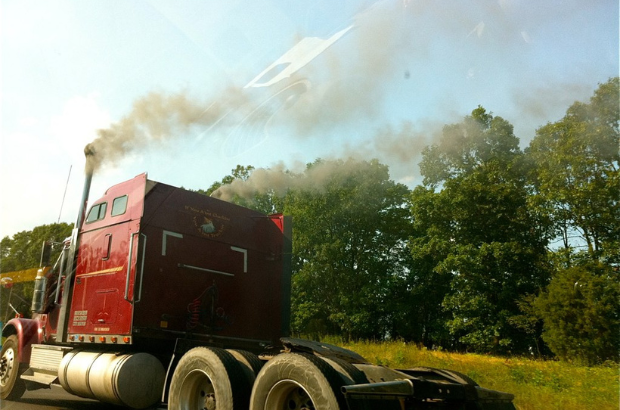
JUST IN: As of yesterday, the Oregon leaders decided on a major setback to clean air and climate progress. They announced a two-year delay to the state’s Advanced Clean Trucks (ACT) rule. This delay comes after relentless lobbying by Big Oil and national truck manufacturers—and it's our communities who will bear the consequences: more diesel pollution, more asthma, more climate harm.
Federal climate rollbacks threaten our progress — and Oregon families can’t wait for clean energy, affordable heating and cooling, and climate resilience. Lawmakers are finalizing the state budget for the next two years. Now is the time to speak up for a strong Climate Justice Budget that protects communities, lowers energy bills, and creates clean energy jobs across the state
The Oregon State Senate will hold a floor vote on SB 88 - Get the Junk Out Rates to protect your families and your budget by holding large utility companies accountable. Can you email your legislators urging them to support this crucial legislation?
Join Climate Solutions and our partners for the Building Resilience Lobby Day at the State Capitol on Wednesday, May 7. Together, we’ll talk to legislators in Salem and push for bold action on climate, energy-efficient housing, and energy justice.
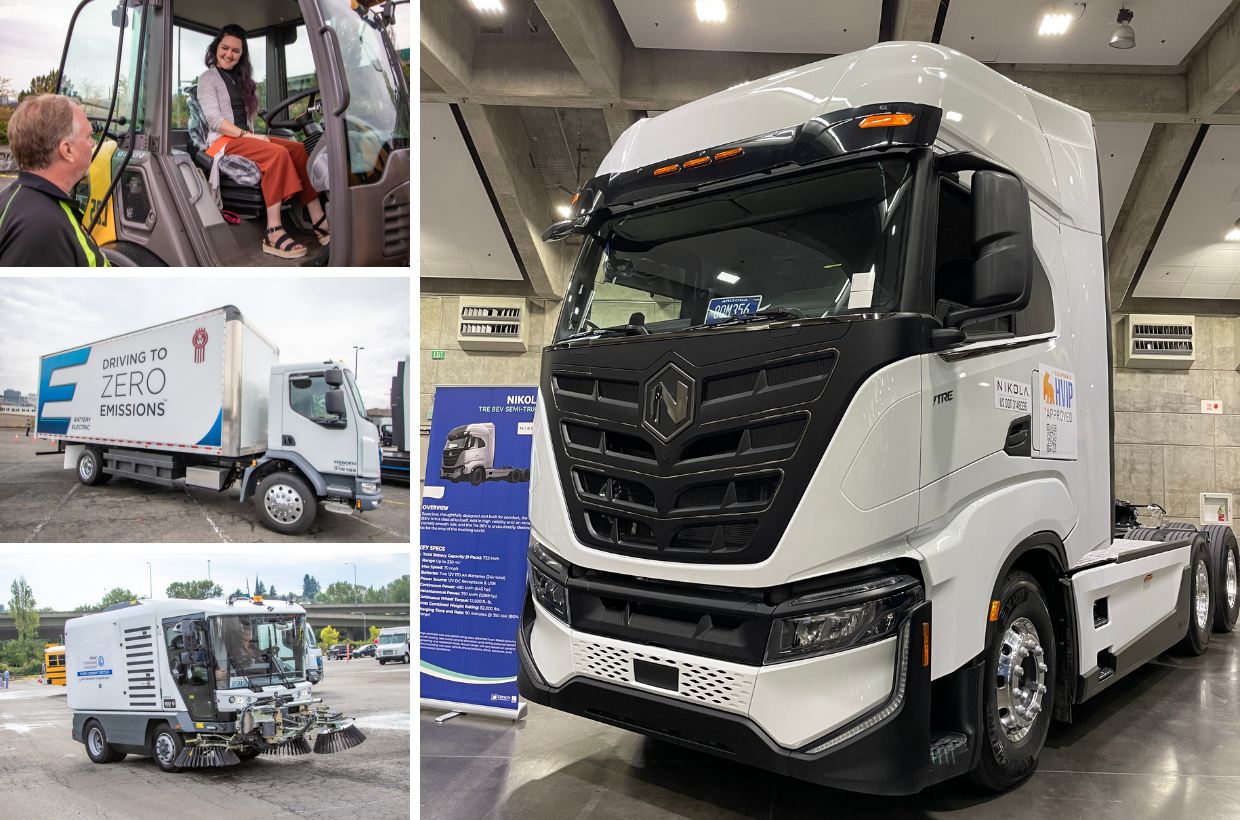
The Oregon Department of Environmental Quality (DEQ) is updating the ACT and HDO rules to maintain alignment with California and ensure they stay strong. But big oil and truck manufacturer forces are trying to use this process to gut the rules. This is where you come in. Regulators need to hear from you—Oregonians who require clean air, a stable climate, and a thriving economy built around clean technology.
The 2025 transmission package is moving through the Oregon Legislature—and two critical bills are coming up for key votes TOMORROW, Tuesday, April 8. By helping expand and modernize Oregon’s transmission capacity, these policies will help meet growing energy demands, increase resilience to severe weather events like wildfires, and deliver the benefits of new wind, solar, and other renewable resources to Oregon families and businesses.
Join our email list to learn about what we do and how to get involved.
There are no upcoming events posted at this time.
The Trump administration is working to eliminate the federal government's ability to fight climate change altogether.
To achieve Oregon’s 100% clean energy goals reliably and affordably, we need to address our transmission bottleneck. Through innovative policy solutions, the 2025 Legislature can help meet the energy demands of our growing economy without compromising affordability.
JUST IN: As of yesterday, the Oregon leaders decided on a major setback to clean air and climate progress. They announced a two-year delay to the state’s Advanced Clean Trucks (ACT) rule.
This delay comes after relentless lobbying by Big Oil and national truck manufacturers—and it's our communities who will bear the consequences: more diesel pollution, more asthma, more climate harm.