Defend Oregon’s Clean Fuels Program
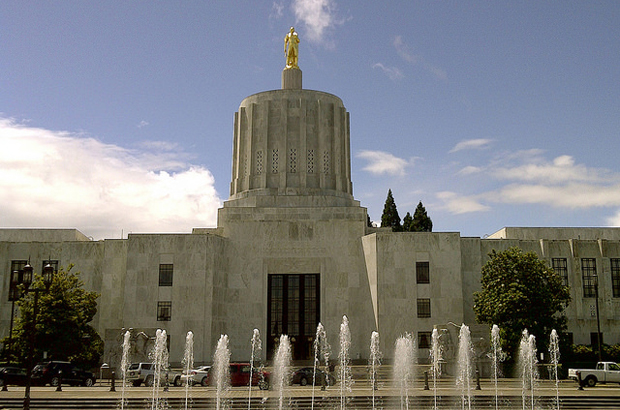
Just weeks after the Legislature passed Oregon’s only significant bill addressing global warming since 2009, they’re considering rolling it back.
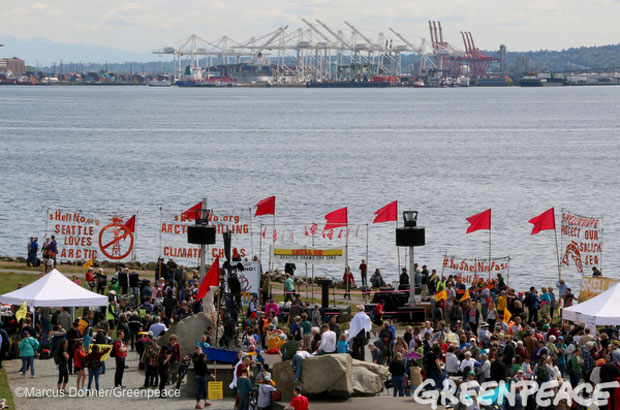
When it comes to Shell's Arctic drilling plans, Seattleites won't give up easily. Building a clean energy economy is going to require hard work, but we’re not daunted. We know that an important first step is drawing the line at continued fossil fuel extraction.
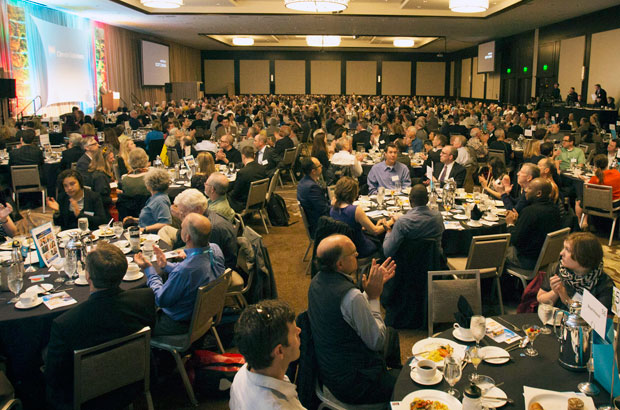
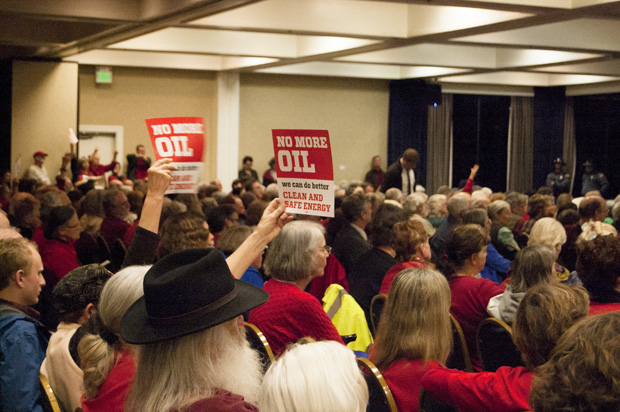
The Northwest is absolutely humming with climate activism of every sort. Our annual breakfast speakers challenged us to keep up the fight against fossil-fuel dominance, injustice and political inertia, and move from opposition to opportunity.
As Climate Solutions builds a movement for decisive climate action, we rely on generous donors like you. This is our week of Climate Champions, and today is the day to Give BIG. Will you step up?
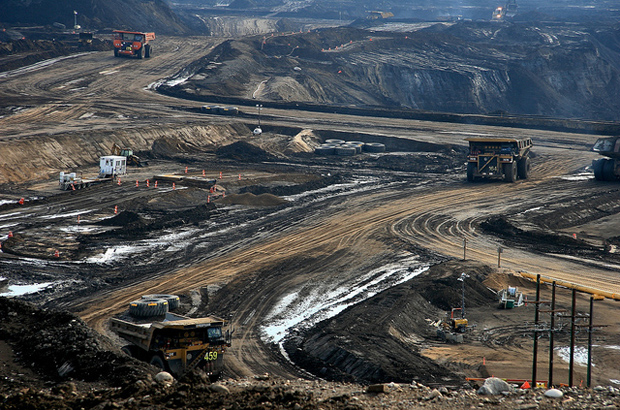
A new report reveals that the Pacific Northwest is the next frontier of the tar sands invasion. Desperate for routes to get their crude oil from land-locked Alberta to refineries and export markets, the tar sands industry has its sights set on our communities and coastline.
Sometimes good things lurk in the FOG. In this case, FOG is a waste product—fats, oils, and grease—and it’s a major reason why the City of Gresham was able to turn its wastewater treatment plant from an energy hog into the first net zero energy plant in the Pacific Northwest.
Whew! We’ve made it to the halfway point in Oregon’s marathon legislative session. Time to take a deep breath, reflect, and scope the path to the finish line.
Would you buy a car without knowing how fuel-efficient it is? What about a building? Check out how Portland is making buildings' energy-efficiency data public, and why that's expected to reduce carbon emissions and save money for both owners and tenants.
Climate Solutions spoke up in Salem this week, weighing in on three different carbon-reduction proposals that could shift our environment and our economy from pollution to prosperity.
A coal export proposal in southwest Washington would be a bad deal for us from pollution, traffic and climate perspectives. Moreover, unless we act now, it could cost taxpayers $85 million dollars.