In setting out to write about Washington’s residential energy codes, and why they’re so important in our fight to reduce the pollution that causes climate change, my biggest challenge may be, “How do I do that without complaining too much?”
Let’s start with what energy codes are in the first place. These are standards, set in law, that govern how we use energy in our buildings—from lighting, heating, cooling, and cooking to insulation, windows, and air leakage from the building. In Washington, we have a commercial energy code, which is for nonresidential buildings and large multifamily buildings four stories or more, and the residential energy code, for single-family homes, townhomes, and multifamily buildings three stories or less.
We amend these codes every three years to update best practices, introduce emerging technologies, and improve energy efficiency. For those of us who care a lot about this process, discussions around energy codes can get quite heated. And when we get in the weeds, we can lose sight of how these codes relate to climate (this is something I am sometimes tempted to complain about).
But updating our energy codes is crucial for our climate, since the energy we use to heat and cool our buildings is the fastest-growing source of climate pollution in our state. In fact, codes are so essential to get right that we have a council for it! Our State Building Code Council (SBCC) is a group of people with relevant expertise appointed for that very purpose.
The climate connections are clear in the mission of the energy code
In 2009, the WA State Legislature directed the SBCC to pass codes that cut our energy use by a lot. Setting the baseline for the amount of energy used in a new building in 2006, they aim to reduce energy use in new buildings by 70% by the year 2031, and they also set a goal of zero new fossil fuel-powered buildings by the same deadline. Improving efficiency means we waste less energy, save money on energy bills, and reduce strain on the electric grid, all motivations to install highly efficient appliances like heat pumps, which also use clean, safe electricity instead of methane gas.
We only get a chance to update Washington’s energy codes every three years, and last time thousands of people across the state contacted the SBCC, resulting in the most climate-friendly codes in the country. But there’s still work to be done: we need to build on that progress to counter lagging climate math for how much pollution we need to cut immediately.
And the labor-intensive work that I may sometimes complain about? It’s actually evidence of how thorough and collaborative the process to update our codes is. When the SBCC updates the codes every three years, anyone in the public can submit proposed changes. Those proposals are then vetted by Technical Advisory Groups (TAGs)—I was part of the energy code TAGs this time around—before going back out to the public for more feedback. That’s good news for the public, but it means the fossil fuel industry tries to influence the process for their benefit as well.
Take action and help make energy codes stronger
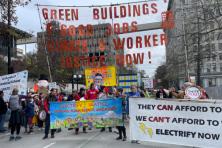
To ensure that they don’t win, you can make your voice heard by signing our petition any time before July 31, which calls on the SBCC to pass all the proposals recommended by the energy code TAGs. We want to demonstrate what the people want all around the state! Here are some key benefits our petition points out:
- Energy efficiency: By making improvements to building envelopes and incentivizing more energy-efficient appliances in new construction, building owners and tenants will benefit from lower energy bills over time, as well as using less energy during peak times in both summer and winter, reducing stress on the electric grid.
- Electric-readiness: Currently, it can be very expensive in existing buildings to replace a gas appliance with an electric appliance due to insufficient electrical infrastructure. Electric-readiness ensures that when builders install fossil fuel powered appliances in new buildings, there will be electrical panel capacity available should they choose to switch to electric appliances in the future.
- Incentivizing air conditioning (AC) to heat pump replacement: Highly efficient electric heat pumps provide both heating and cooling, protecting vulnerable residents and workers from extreme heat and smoke during the summer while reducing the air pollution that comes from burning fossil fuels. The most economical time to switch a home or building to a heat pump is when it’s time to replace a central or rooftop air conditioner; heat pumps are essentially air conditioners that can be used to heat as well as cool, and the current draft proposal makes this an appealing, cost-effective option.
Strong energy codes are a win-win for climate and affordability. But remember those heated discussions I mentioned earlier? That’s because the fossil fuel industry and its allies are doing everything they can to fight this progress. They’ve sued the State Building Code Council several times since the last code updates. They pushed confusing and misleading ballot measures to voters. They put forward absurd bills this legislative session that would have frozen energy code updates for ten years. And they proposed changes to this code that would have decimated energy efficiency. Yes, I’m complaining about that! Happily, these fossil-fueled efforts have been unsuccessful so far. Now, we need to make sure they won’t dominate the upcoming public comment period.
I’m confident we can show the SBCC how much Washingtonians care about climate, clean energy, and energy efficiency. When we win and see the crucial impacts of the energy codes for our climate, I’ll know that all our work was worth it—it's one of the ways we win.