Latest News
by Clark Gilman on
Staff members at Climate Solutions share their memories of Sam Garst, an inspiring longtime supporter, leader, advisor and friend.

by Elizabeth Willmott on
City sustainability directors face challenges in moving from bold greenhouse gas (GHG) emissions reduction goals to achieving actual GHG reduction. Examples of strategies and tactics in energy efficiency, distributed renewable energy, and low-carbon transportation are available to emulate but creating a locally tailored package of actions that “adds up” to meet a long-term reduction goal requires some elbow grease.
by Ben Serrurier on
Fossil fuel companies are trotting out another round of warmed over allegations that climate policy, in particular a clean fuels standard, is unworkable and will crash the economy. They’re running up against a difficult opponent: reality.
by Climate Solutions on
Tom Steyer was the keynote speaker for our 5th Annual Dinner in Portland.

by Climate Trust on
A new methodology enables emission reductions from biochar in the U.S., developed jointly by The Climate Trust in partnership with the International Biochar Initiative, Prasino Group, and Carbon Consulting.

by Patrick Mazza on
If the Earth’s vegetation were not absorbing tremendous amounts of carbon dioxide from the atmosphere, the climate would be much hotter and have already crossed highly dangerous thresholds.
by Elizabeth Willmott on
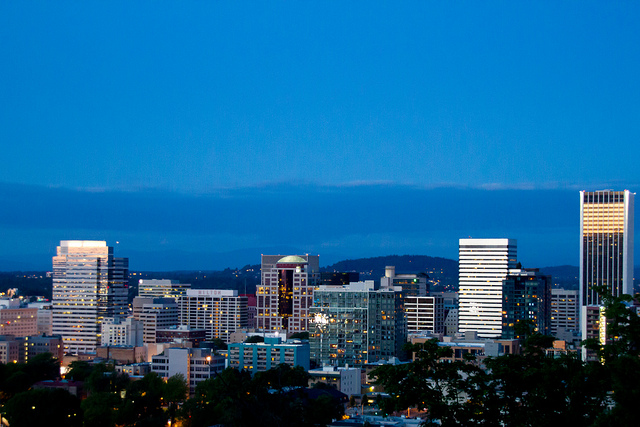
While the West Coast climate pact announced by Governors Inslee, Kitzhaber, and Brown and British Columbia Premier Clark on October 28 focused on state policy, it has everything to do with cities.
by Ben Serrurier on
This is Part 3 of a series on the Climate Workgroup in Washington. View Part 1 - Part 2 - Part 4.
by Elizabeth Willmott on
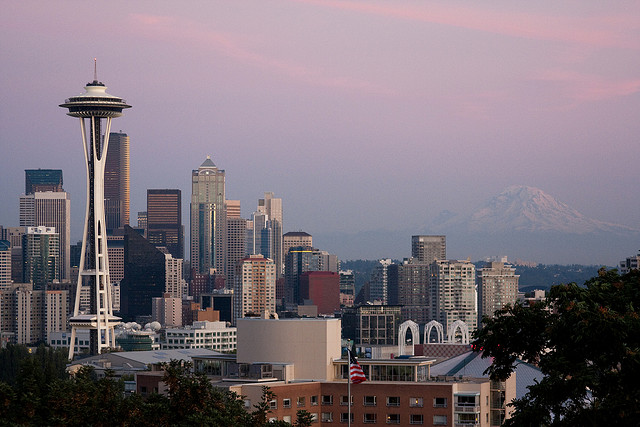
The City of Seattle took a crucial step toward its long-term goal of carbon neutrality when it enacted a new Commercial Energy Code, for both new construction and major changes to existing buildings, on September 16, 2013.
by Ben Serrurier on
This is Part 2 of a series on the Climate Workgroup in Washington. View Part 1 - Part 3 - Part 4.
Give for a brighter future
Connect
Join our email lists to learn about what we do and to get involved.
Sign up for text alerts to help win transformative climate policy in the Northwest!
Upcoming Events
Climatecast
United states (and a province) flex for climate progress
Major media outlets show an uncertain committment to climate and clean energy journalism; while the US stalls out on climate progress, Washington, California and Quebec collaborate to reduce pollution