Latest News

by Dominick DellaSala on
Since forests absorb and store vast amounts of carbon, protecting forests, especially old growth forests like those in the Pacific Northwest, should be a key component of any plan to mitigate the effects of climate change.
by Patrick Mazza on
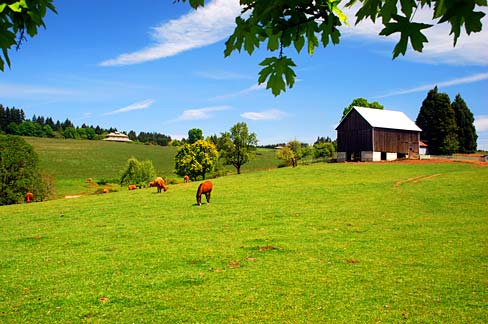
Soaking carbon from the atmosphere into farm soils is a widely advocated climate solution. A new Australian study kicks dirt all over the idea. But digging in a little deeper uncovers a more favorable picture.

by Ross Macfarlane on
The starkest warnings about the coming apocalypse are coming not from long-haired hippies, but from Wall Street bankers in three-piece suits. This is not another screed from an environmental fanatic predicting the end of the world; this is a discussion about the collapse of the business case for investments in coal export infrastructure.The starkest warnings about the coming apocalypse are coming not from long-haired hippies, but from Wall Street bankers in three-piece suits. This is not another screed from an environmental fanatic predicting the end of the world; this is a discussion about…

by Eileen V. Quigley on
It’s happening in our urban and rural forests, in and around our buildings and streets, on our farmland, and in the seagrass meadows, salt marshes and mangroves along our coasts. Done right, it just might stem the tide of runaway climate change.
by Patrick Mazza on
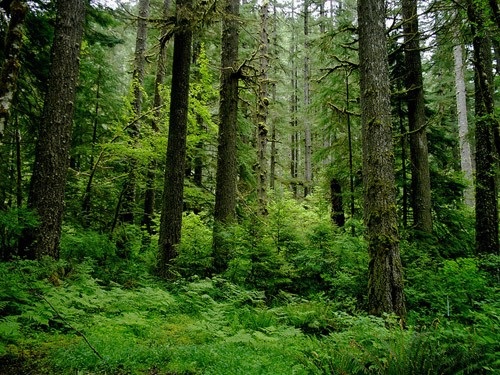
The health of forests and their owners are directly connected, an insight that has generated an innovative Oregon program to increase forest carbon.
by Patrick Mazza on
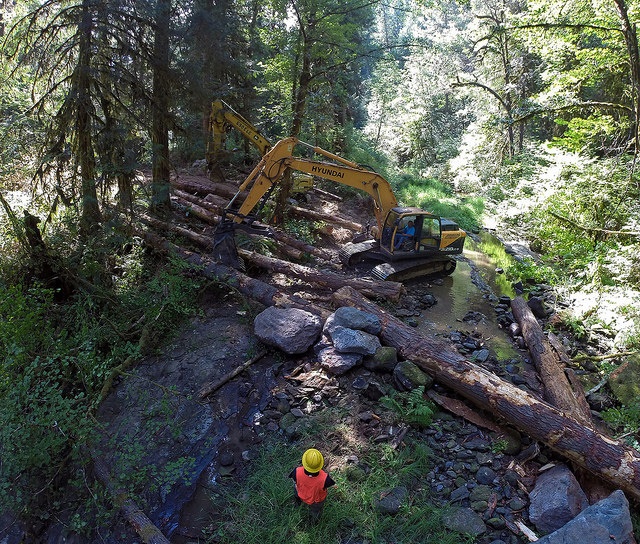
Good-paying jobs that produce multiple products in rural communities where good jobs have been scarce – This is the restoration economy. In Oregon the restoration economy created 6,483 jobs, generated $977.5 million in economic activity from 2001–2010, a new report from Ecotrust says.
by Patrick Mazza on
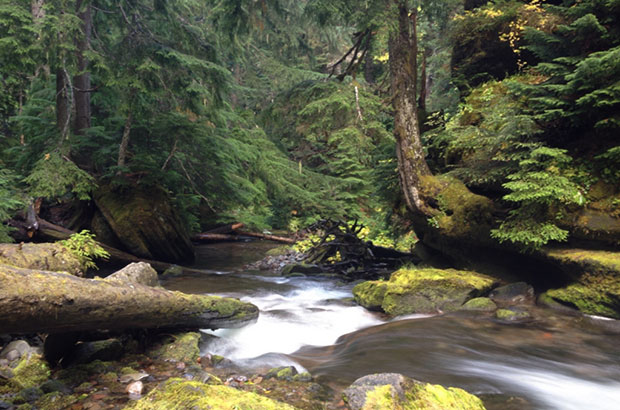
The Pacific Northwest possesses a singular regional identity, one of the strongest in North America. A large portion of the population is here by choice. But what draws the region together? What are the roots of this identity?

by Patrick Mazza on
Do frightened grasshoppers increase carbon storage in grasslands? It appears the answer is yes, according to Yale Forestry School research. But the reason for this phenomenon might not be what you think.

by Patrick Mazza on
Farm support programs that target only food production miss huge opportunities to generate natural benefits, a new British study documents.
by Patrick Mazza on
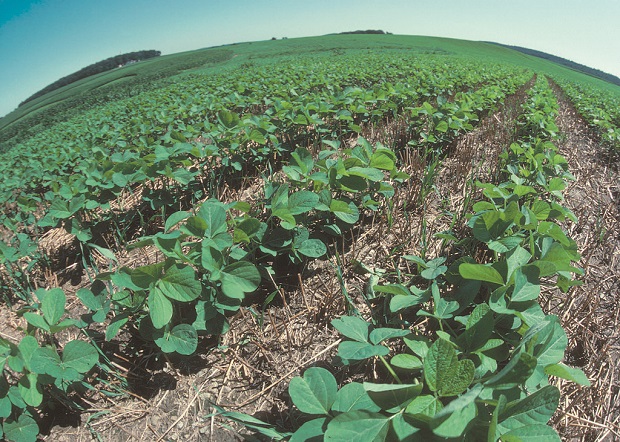
The message is spreading that changing the way agriculture is done can draw heat-trapping carbon dioxide out of the atmosphere into farm soils to improve the viability of agriculture overall.
Give for a brighter future
Connect
Join our email lists to learn about what we do and to get involved.
Sign up for text alerts to help win transformative climate policy in the Northwest!
Upcoming Events
Climatecast
United states (and a province) flex for climate progress
Major media outlets show an uncertain committment to climate and clean energy journalism; while the US stalls out on climate progress, Washington, California and Quebec collaborate to reduce pollution