Latest News
by Tom Osdoba on
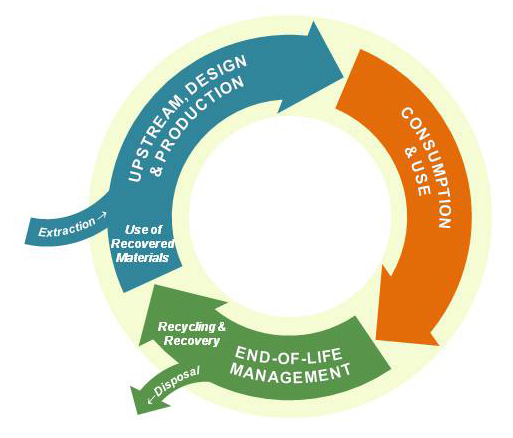
Carbon neutral cities require three components: policy and institutional innovations; organized capital; and extensive outreach, education and public engagement.
by Patrick Mazza on
The BioCycle Conference in Portland April 16-19 focused on the new economics of materials and natural services – harnessing organic wastes with processes that make valuable goods, and valuing ecological services to send the right signals on the use of nature in general.
by Tom Osdoba on
Do current utility models have anything to offer us in solving our energy dilemma – transforming our system by driving radical efficiency improvements, smart infrastructure, and multiple kinds of distributed, renewable energy technologies?
by Patrick Mazza on
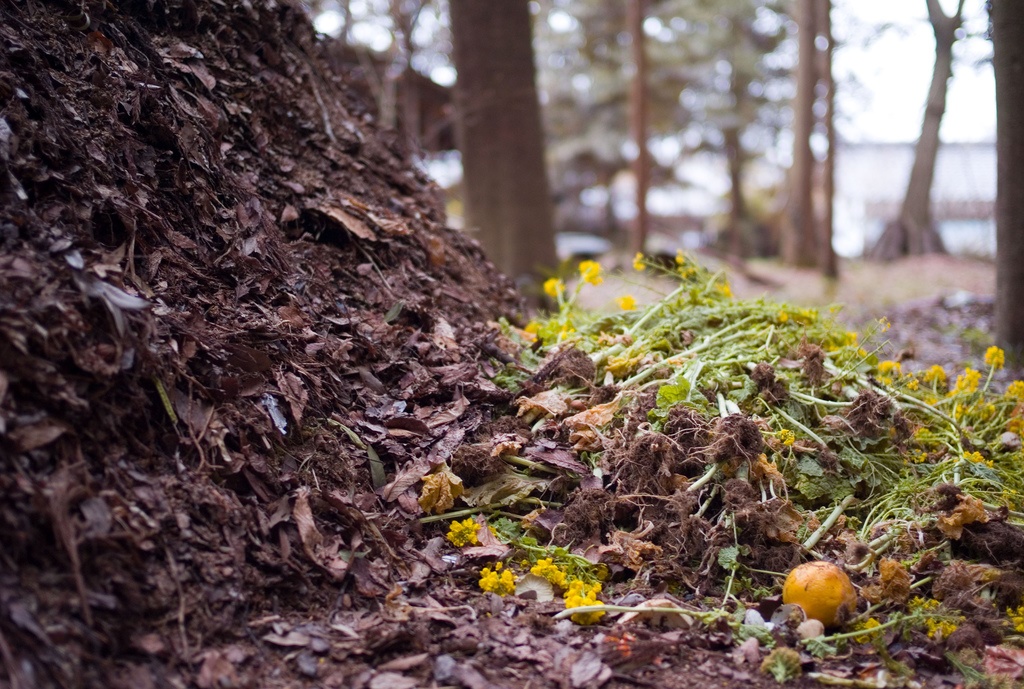
What do yard trimmings, food waste, woody materials, biosolids, manure, municipal solid waste and other organic residues have to do with cooling our overheating climate?
by Rhys Roth on
Climate change can sometimes seem like the proliferation of bizarre ‘reality TV’, a problem so huge and entrenched only those with a Quixote complex would be crazy enough to tackle it.
by Patrick Mazza on
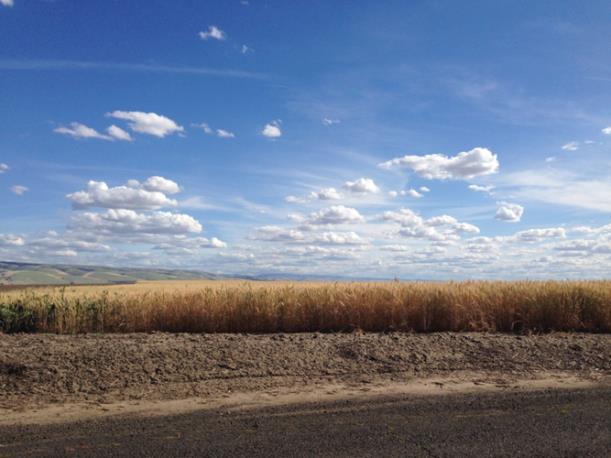
Climate change is among the greatest challenges facing 21st century agriculture. To anticipate those challenges a cutting-edge Northwest scientific exploration is bringing some very 21st century tools to bear.
by Patrick Mazza on
Climate change is among the greatest challenges facing 21st century agriculture. To anticipate those challenges a cutting-edge Northwest scientific exploration is bringing some very 21st century tools to bear.
by Patrick Mazza on
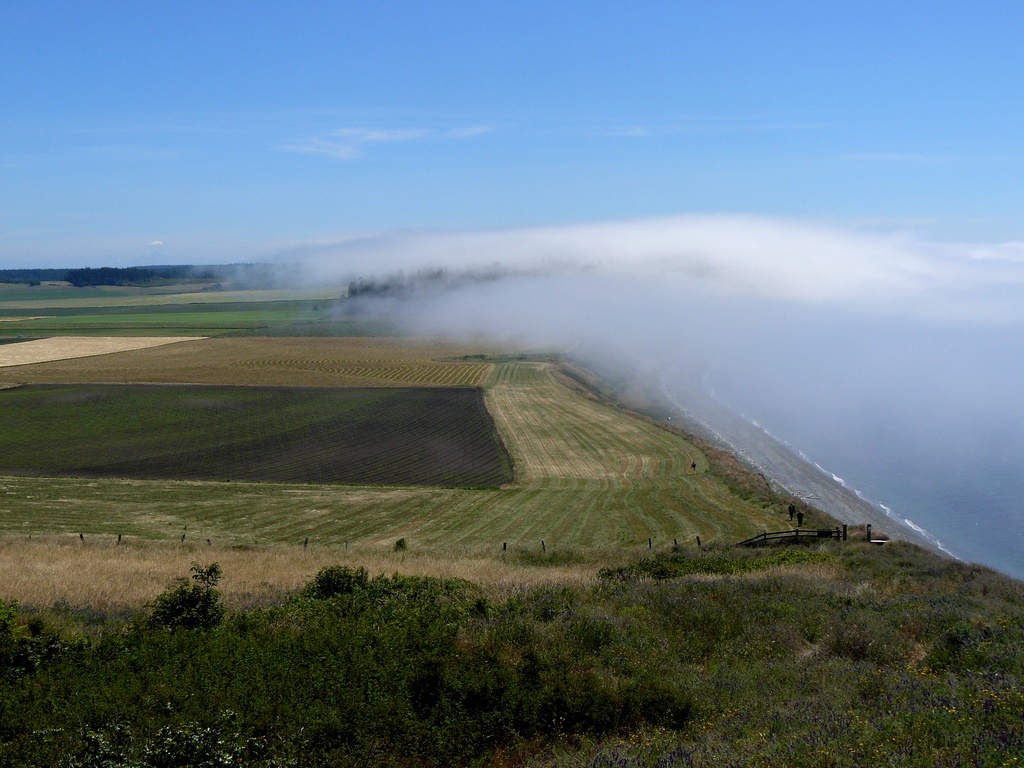
In a world of ever increasing stress on our food and energy supplies, it makes little sense to pave farmland under sprawl, but that’s what we’ve been doing.
by Patrick Mazza on
In a world of ever increasing stress on our food and energy supplies, it makes little sense to pave farmland under sprawl, but that’s what we’ve been doing. A new report from American Farmland Trust (AFT) documents more than 800,000 acres of Puget Sound farmland lost in the 12 counties around the Sound since 1950. The remaining 600,000 acres are “far from secure.” AFT notes in Losing Ground: Farmland Protection in the Puget Sound Region.
Give for a brighter future
Connect
Join our email lists to learn about what we do and to get involved.
Sign up for text alerts to help win transformative climate policy in the Northwest!
Upcoming Events
Climatecast
United states (and a province) flex for climate progress
Major media outlets show an uncertain committment to climate and clean energy journalism; while the US stalls out on climate progress, Washington, California and Quebec collaborate to reduce pollution