Supporting human and forest health
The health of forests and their owners are directly connected, an insight that has generated an innovative Oregon program to increase forest carbon.

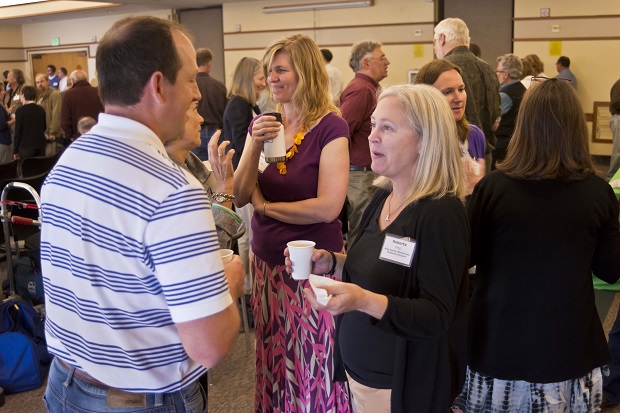
A capacity crowd of 160 thought leaders and innovators gathered on June 10, 2013 at the University of Washington's Center for Urban Horticulture in Seattle for the first-ever Northwest Biocarbon Summit.
Carbon dioxide levels hit 395 parts per million in 2012, the highest in four or five million years when sea levels were around 80 feet higher and temperatures up to 10° Fahrenheit hotter. If we sustain those CO2 levels, or go higher as we are doing, a completely different world will emerge.
Imagine a world where we invest billions of dollars in improving ecosystem resilience to help combat climate change, all because doing so sucks up vast amounts of carbon dioxide (CO2) and provides pure oxygen in return.
Lost in the current debate over how best to control greenhouse gas emissions from combustion of fossil fuels is the simple fact that it won’t be enough.
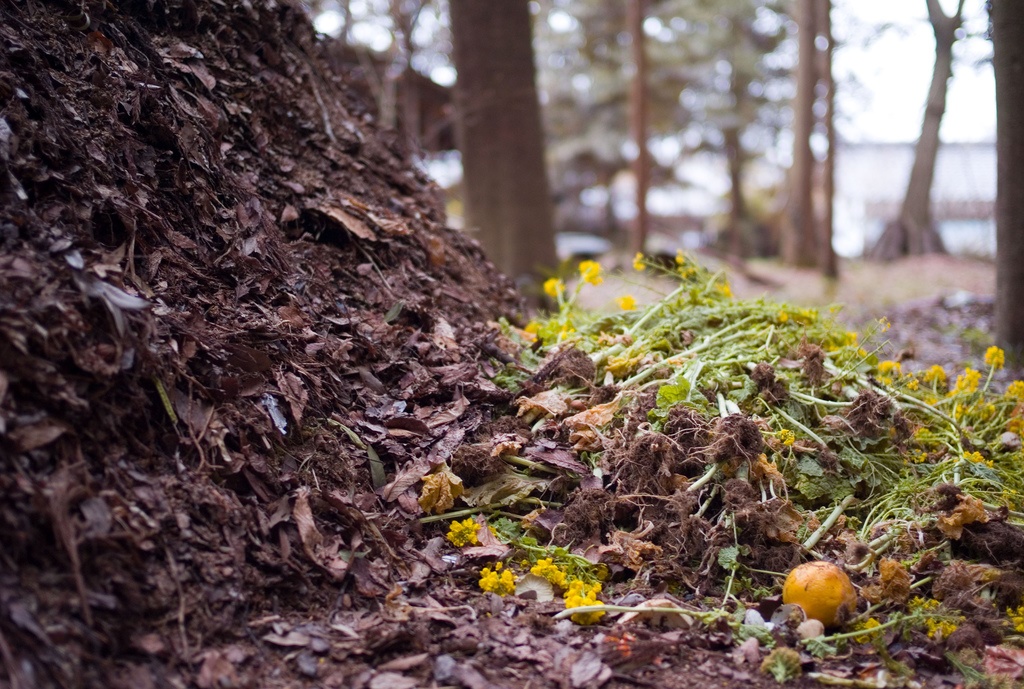
What do yard trimmings, food waste, woody materials, biosolids, manure, municipal solid waste and other organic residues have to do with cooling our overheating climate?
Join our email lists to learn about what we do and to get involved.
Sign up for text alerts to help win transformative climate policy in the Northwest!
The health of forests and their owners are directly connected, an insight that has generated an innovative Oregon program to increase forest carbon.
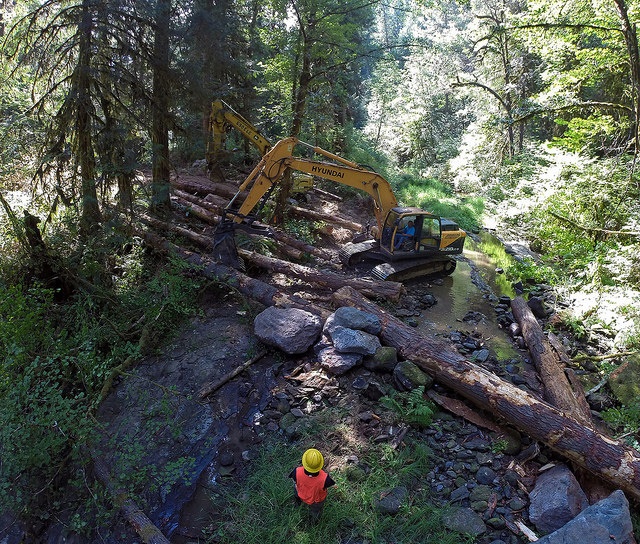
Good-paying jobs that produce multiple products in rural communities where good jobs have been scarce – This is the restoration economy. In Oregon the restoration economy created 6,483 jobs, generated $977.5 million in economic activity from 2001–2010, a new report from Ecotrust says.
The Pacific Northwest possesses a singular regional identity, one of the strongest in North America. A large portion of the population is here by choice. But what draws the region together? What are the roots of this identity?
The President’s groundbreaking speech on climate change was an historic step to follow up on his message to Congress that if they don’t take action on climate change, he will. But will he now follow suit by taking even bolder actions on forests?
A capacity crowd of 160 thought leaders and innovators gathered on June 10, 2013 at the University of Washington's Center for Urban Horticulture in Seattle for the first-ever Northwest Biocarbon Summit.
When you envision a forest, what do you picture? A lot of trees, right? But what you probably don’t picture is what’s under the forest floor: soil. In most forests, the amount of carbon stored in the soil is greater than the amount stored in the trees. But how does it get there?
Carbon dioxide levels hit 395 parts per million in 2012, the highest in four or five million years when sea levels were around 80 feet higher and temperatures up to 10° Fahrenheit hotter. If we sustain those CO2 levels, or go higher as we are doing, a completely different world will emerge.
Global biodiversity avatar Thomas Lovejoy sees a climate endgame in sight, title of his recent New York Times op-ed. Lovejoy points to biocarbon, nature’s capacity to capture and store carbon through plant growth.
Imagine a world where we invest billions of dollars in improving ecosystem resilience to help combat climate change, all because doing so sucks up vast amounts of carbon dioxide (CO2) and provides pure oxygen in return.
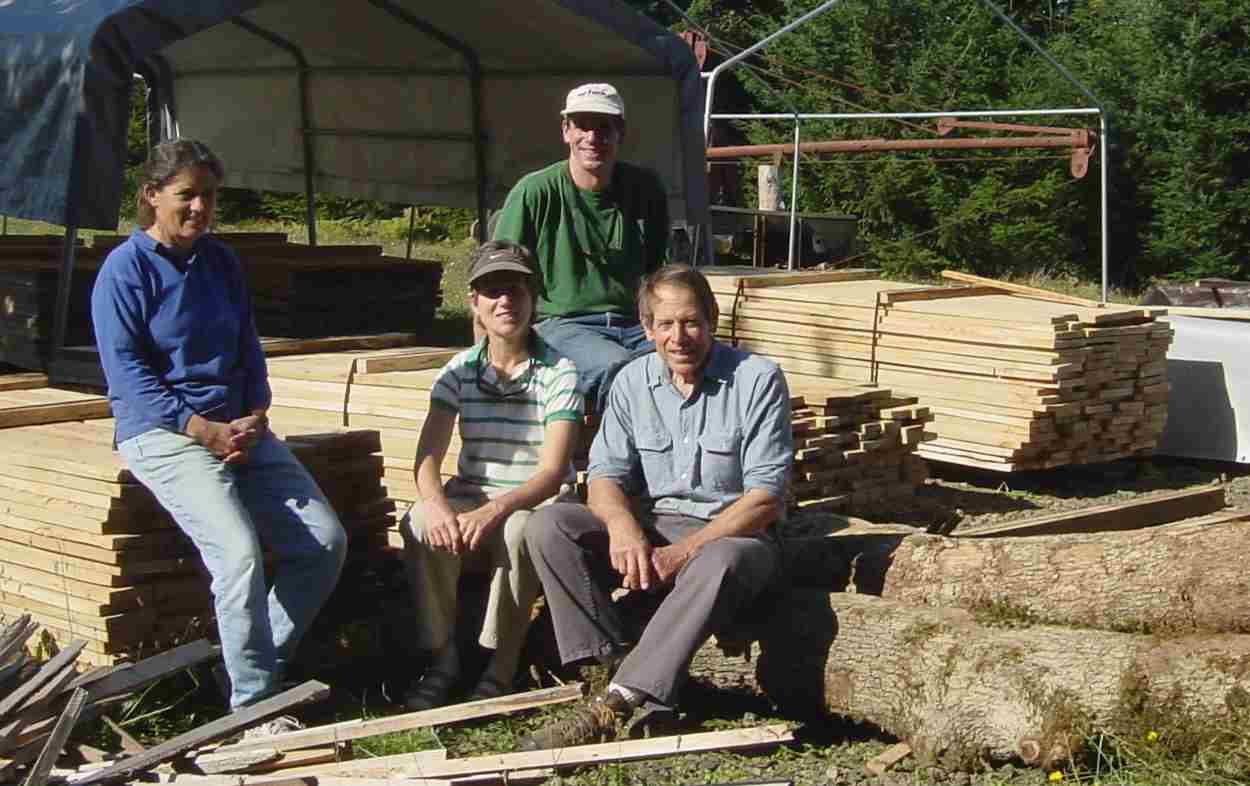
In our three family-owned forests in the northern Oregon Coast Range, our work is guided by a simple belief: “If we take care of the land—the land will take care of us.” With climate change, we believe that “caring for the land” includes our playing a responsible role in maintaining the climate on which life—and the success of our tiny family business—depends.