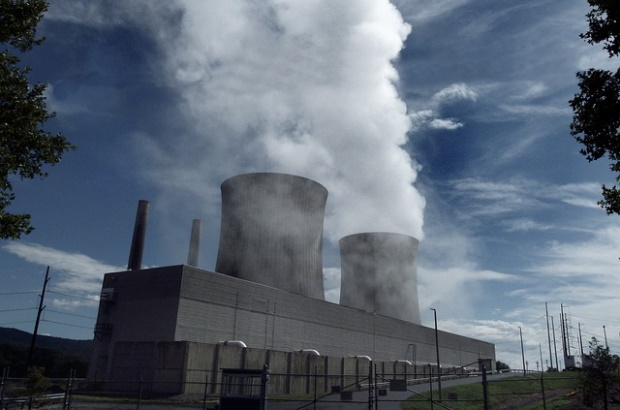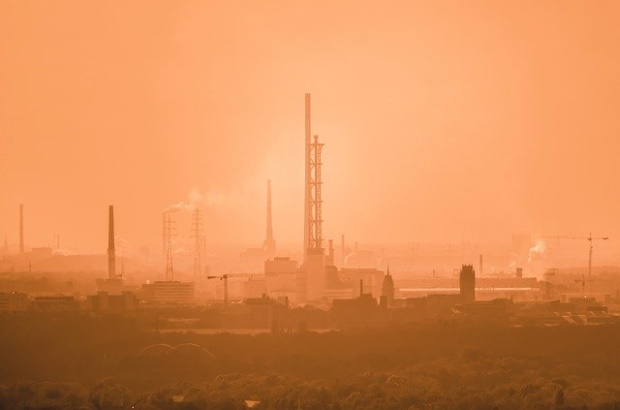
By no longer allowing industries to spew unlimited amounts of pollution into our air, DEQ's new cap-and-reduce policy can help transition Oregon to cleaner ways of powering our economy and communities.
Thousands of people in the Rogue Valley have been displaced by wildfires and hundreds of homes, businesses, and community spaces have been destroyed, including the headquarters of our grassroots partner Rogue Climate.
Our climate movement is more unified than ever, but we're reaching a critical point where we must change a lot of things all at once. Let's do this together.
If you live west of the Cascades in the Pacific Northwest, you likely woke up yesterday to an awful late-summer surprise (if you weren't under wildfire threat already): a blanket of unhealthy wildfire smoke.
One major component of the Oregon Climate Action Plan is a directive for the state Department of Environmental Quality (DEQ) to set up a new program to “cap and reduce” climate-harming pollution from Oregon’s large polluters.
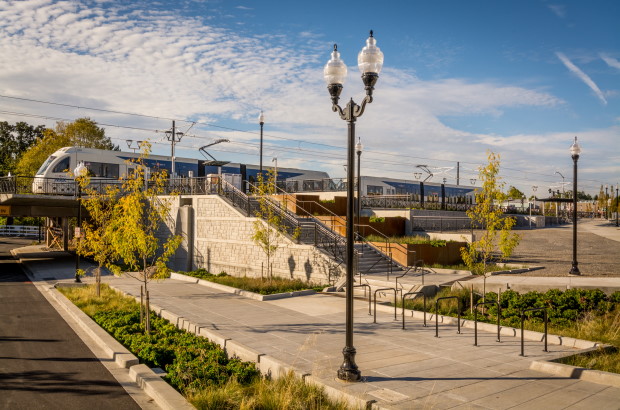
How do you typically get around your city or town? How does the way you get around make you feel? What is your ideal vision for the future of our transportation?
Our state needs to prioritize cleaning up the delivery trucks, transit and school buses, big rigs, and other commercial vehicles that make up the medium and heavy duty transportation sector.
Oregon legislators have proposed cutting the state’s only support for many rural and low-income communities to access solar and energy storage for their own roofs.
We can rebuild and recover in a more just, clean, healthy, and smart way—while creating lots of high quality green jobs along the way. One of those climate-smart and equitable solutions to build back better than before is right in front of us, and all around us: our homes and other buildings.