

Calling In: Tell Oregon lawmakers to invest in our transportation future TODAY!
Right now, Oregon legislators are drafting a sweeping transportation funding package. Without major course correction, it will fail to meet our state’s climate and equity goals. Transportation is our state’s largest source of climate pollution. Yet the current transportation proposal does not include any investment in clean vehicles or charging infrastructure.
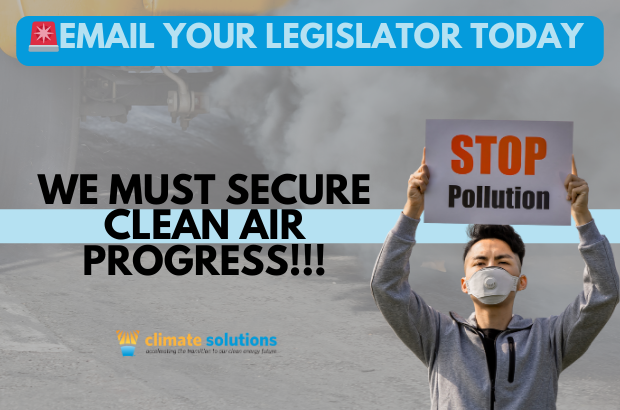
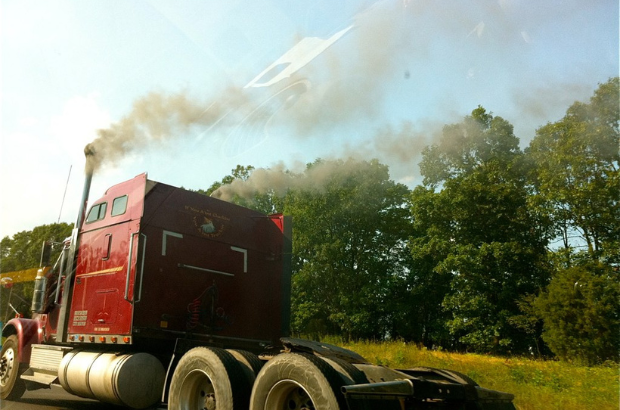
JUST IN: As of yesterday, the Oregon leaders decided on a major setback to clean air and climate progress. They announced a two-year delay to the state’s Advanced Clean Trucks (ACT) rule. This delay comes after relentless lobbying by Big Oil and national truck manufacturers—and it's our communities who will bear the consequences: more diesel pollution, more asthma, more climate harm.
Salem, OR – In a major setback to clean air and climate progress, Oregon leaders today announced a two-year delay to the state’s Advanced Clean Trucks (ACT) rule—bowing to pressure from fossil fuel interests and truck manufacturers as part of a nationally orchestrated multi-state campaign to derail the transition to cleaner electric vehicles. This delay strips the ACT rule of its regulatory teeth for two more years, rewards industry laggards, and directly undermines Oregon’s climate commitments, public health protections, and economic leadership.
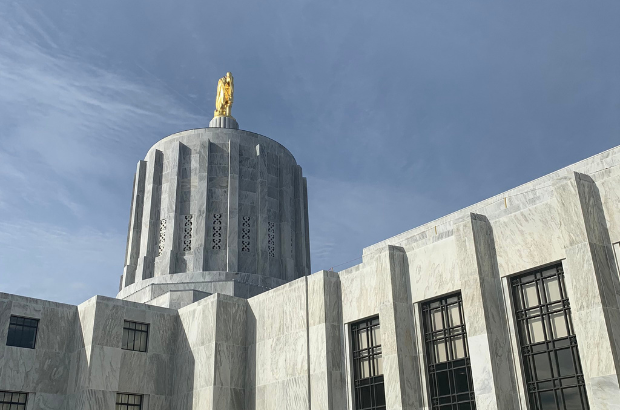
We’re officially over halfway through Oregon’s 2025 legislative session. Here’s the inside scoop on dynamics at the Capitol, the status of key clean energy and climate priorities, and how you can help keep the momentum going.
The Oregon Department of Environmental Quality (DEQ) is updating the ACT and HDO rules to maintain alignment with California and ensure they stay strong. However, big oil and truck manufacturer forces are trying to use this process to gut the rules. This is where you come in. Regulators must hear from you— Oregonians who require clean air, a stable climate, and a thriving economy built around clean technology. 🤳🏼What can you do? 📧 Email and Write-In your comment through 5/7/25
The Oregon Department of Environmental Quality (DEQ) is updating the ACT and HDO rules to maintain alignment with California and ensure they stay strong. But big oil and truck manufacturer forces are trying to use this process to gut the rules. This is where you come in. Regulators need to hear from you—Oregonians who require clean air, a stable climate, and a thriving economy built around clean technology.
We should have more clean trucks on the road and we can if state leaders step up.
Make your voice heard today: The legislature must ensure truck makers follow the rules to get rid of dirty diesel and deliver clean air by investing more in clean, zero-emissions trucks and charging.
We're featuring some transportation climate myths that keep coming back, from the media to the holiday dinner table. How many of these have you heard? Let’s debunk them together!
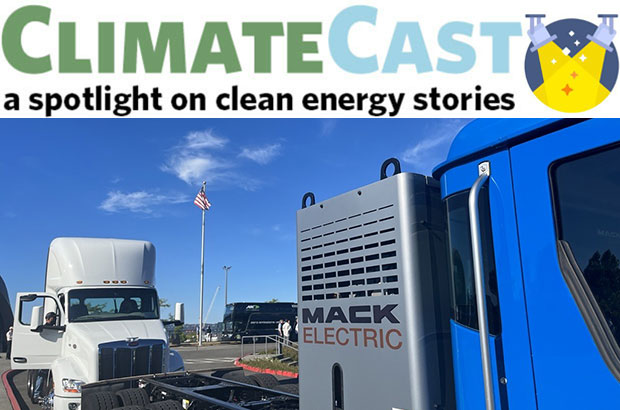
We caught glimpses of the future of clean and green transportation during the 13th annual Green Transportation Summit & Expo, and the Breaking Barriers Collaborative is helping PNW businesses bring their green fleet plans to fruition!
Join our email list to learn about what we do and how to get involved.
JUST IN: As of yesterday, the Oregon leaders decided on a major setback to clean air and climate progress. They announced a two-year delay to the state’s Advanced Clean Trucks (ACT) rule.
This delay comes after relentless lobbying by Big Oil and national truck manufacturers—and it's our communities who will bear the consequences: more diesel pollution, more asthma, more climate harm.
Salem, OR – In a major setback to clean air and climate progress, Oregon leaders today announced a two-year delay to the state’s Advanced Clean Trucks (ACT) rule—bowing to pressure from fossil fuel interests and truck manufacturers as part of a nationally orchestrated multi-state campaign to derail the transition to cleaner electric vehicles. This delay strips the ACT rule of its regulatory teeth for two more years, rewards industry laggards, and directly undermines Oregon’s climate commitments, public health protections, and economic leadership.