Coal to Clean Energy Forums in Corvallis and Portland
Oregonians across the state agree: we want clean energy. It’s time to give Oregonians the energy we want.

In this week’s ClimateCast: British Airways inks contract to buy fuel made from garbage; Keystone pipeline decision delayed until after November elections; solar prices plummeting to parity with market prices; and more.
Join our email lists to learn about what we do and to get involved.
Sign up for text alerts to help win transformative climate policy in the Northwest!
Oregonians across the state agree: we want clean energy. It’s time to give Oregonians the energy we want.
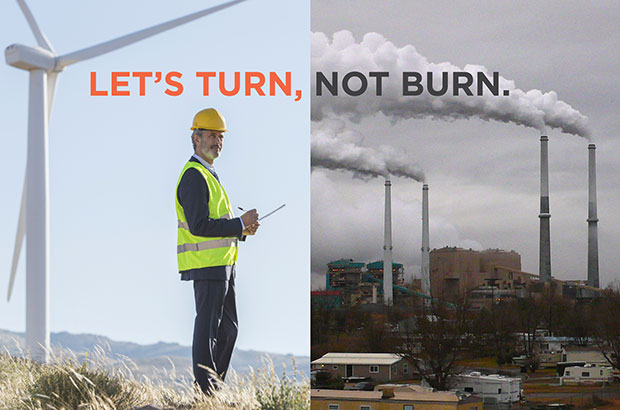
Did you know that Oregon still gets one third of its energy from out-of-state coal?
Pacific Power, for example, actually gets two-thirds of its energy from coal plants in Montana, Utah and Wyoming.
This is bad news, as you well know. Coal plants are the single biggest air polluter in the country, making coal a leading cause of climate disruption and a major public health threat.
Did you know that Oregon still gets one third of its energy from out-of-state coal?
Pacific Power, for example, actually gets two-thirds of its energy from coal plants in Montana, Utah and Wyoming. This is bad news, as you well know. Coal plants are the single biggest air polluter in the country, making coal a leading cause of climate disruption and a major public health threat.
Climate issues are playing a role in elections in Florida and Michigan, Oregon solar panel factory announces expansion, banks shun Australian coal project, and more stories of the week in clean energy solutions.
Solar deals multiply, China’s coal consumption declines, carbon prices can include a mix of capping and taxing, and other stories of the week in clean energy solutions.
Aggressive city action can reduce global carbon emissions at least 10% by 2030, according to a C40 report at the UN Climate Summit. Across the US, we see examples of cities that are investing in clean energy and carbon reduction solutions.
On-the-ground urban carbon reduction strategies are essential with or without carbon pricing, as they are the bricks-and-mortar pathways to a low-carbon future.
Worldwide switch to clean power would save $1.8 trillion, rainforests store less carbon once they’re fragmented, WA carbon tax would pay steady dividends, and other stories of the week in clean energy solutions.
Climate Week spurs new pledges from businesses, KLM to power its planes with a biofuel mix, Google and Facebook dump their ties to ALEC, and more news of the week in clean energy solutions.
Solar and wind reap worldwide benefits from German shift to renewables, World Bank expects carbon pricing news at next week's summit, climate change versus the birds, and more stories of the week in clean energy solutions