Community control good for carbon storage
California flooded with proposals for grid storage; narrow escape from oil-spill disaster in Seattle; climate change impacts our mental health; and much more.
California flooded with proposals for grid storage; narrow escape from oil-spill disaster in Seattle; climate change impacts our mental health; and much more.
Yesterday, Kristin Eberhard of betterquest.org and Sightline published “There’s Plenty of Room at Hotel California” – a fantastic how-to for Oregon and Washington decision-makers looking to link with other states on pricing and limiting climate pollution. It’s a great read, and rather than challenge the cloying Eagles reference in the title, I decided to extend the trend.
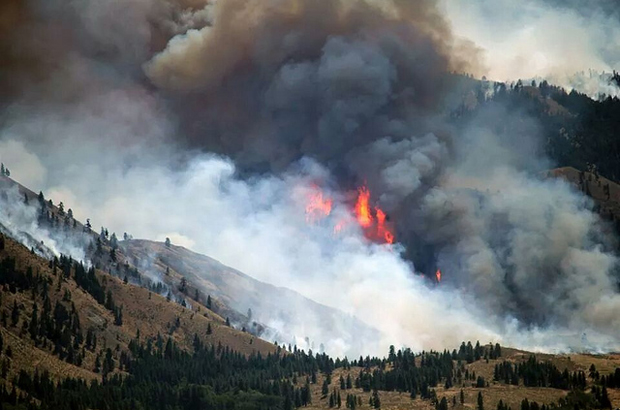
Nearly unprecedented wildfires are raging across parts of Washington and Oregon, and have devastated the community of Pateros, WA. Here's how you can help.
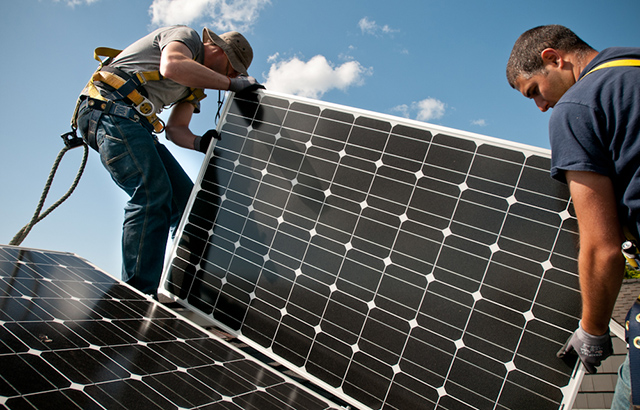
In a community at the crossroads of our energy future, a growing solar company is making the clean economy real.
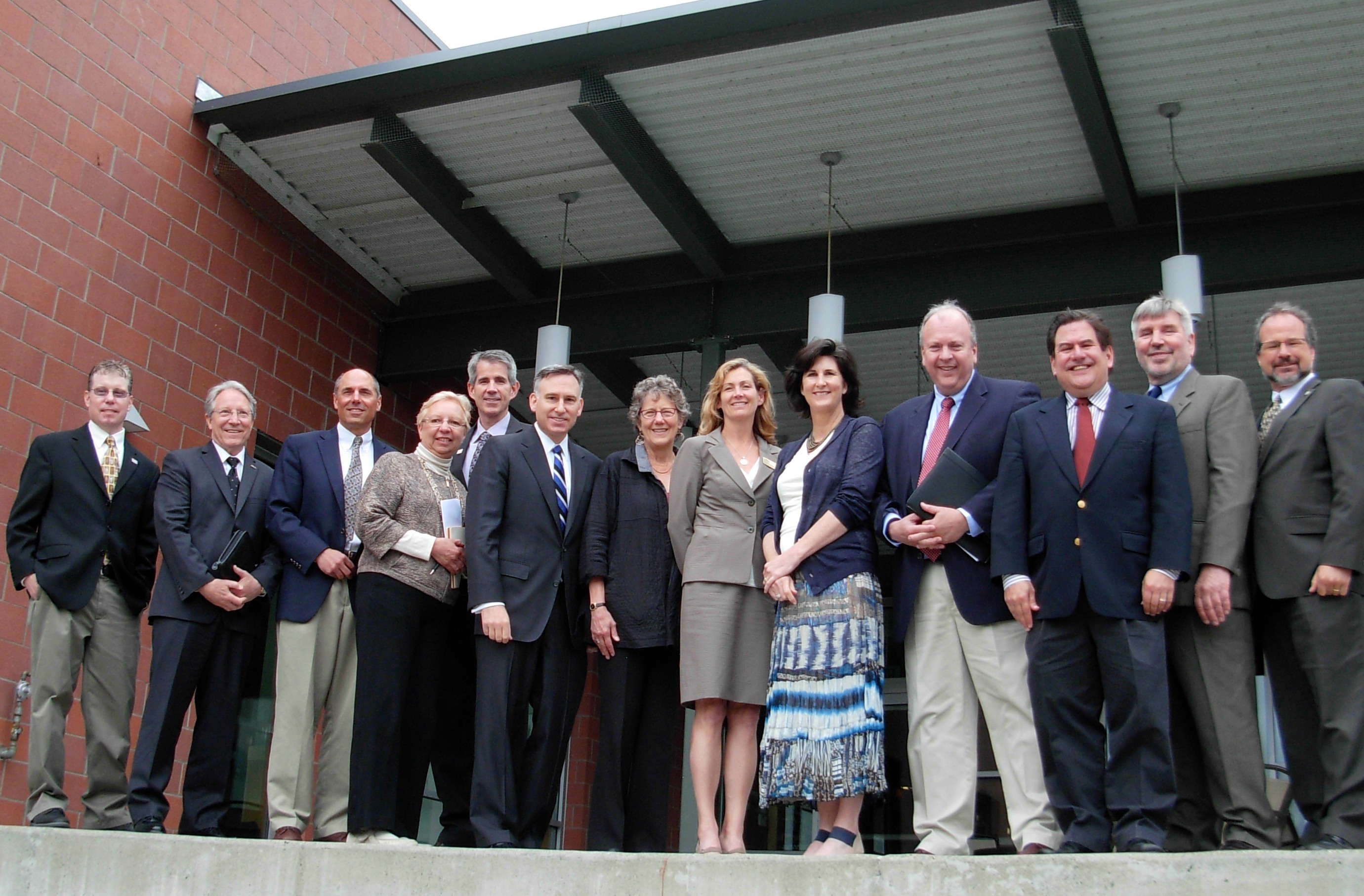
Cities and counties are putting wind in the sails of state and federal climate efforts by working together toward solutions in low-carbon urban transportation, energy supply, and buildings.
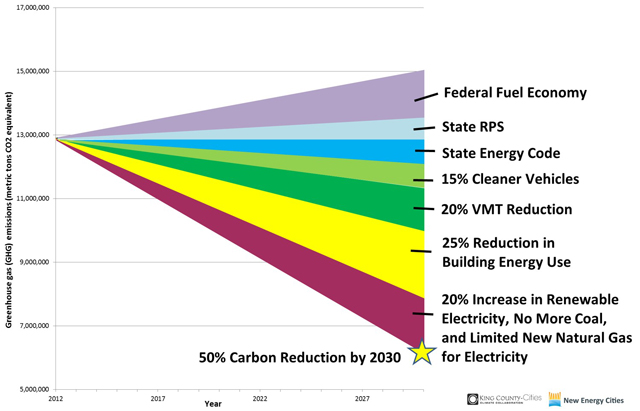
The King County-Cities Climate Collaboration asked us what it would take to achieve meaningful carbon reduction goals by 2030. Here's our combination of strategies that can reduce emissions by 50 percent.
In a new pact, Governors of Washington, Oregon and California along with British Columbia’s Premier agreed that all four jurisdictions will account for the costs of carbon pollution and that, where appropriate and feasible, link programs to create consistency and predictability across the region of 53 million people. The leaders also committed to adopting and maintaining low carbon fuel standards in each jurisdiction.
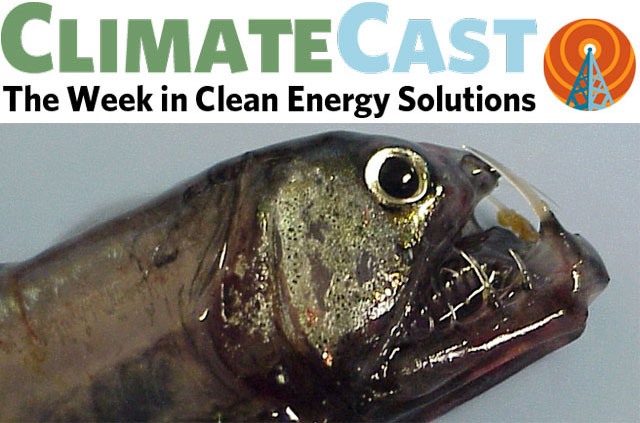
The surprising role of deep-sea fishes in sequestering carbon, Tesla opens up its patents, Volkswagen brings a 260-mpg car to market, and much more.
California is saving lives and boosting its economy by capping carbon emissions and supporting clean fuels. Can't we do the same for Washington?
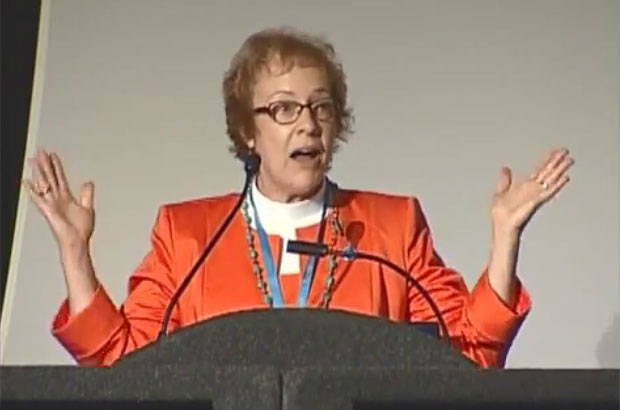
Joined by over 900 allies and leaders from around the region and around the country, we heard from heroes who are using their respective fields as platforms for real climate leadership. We also took some selfies.