Join the clean energy surge! Time for clean fuels in Washington
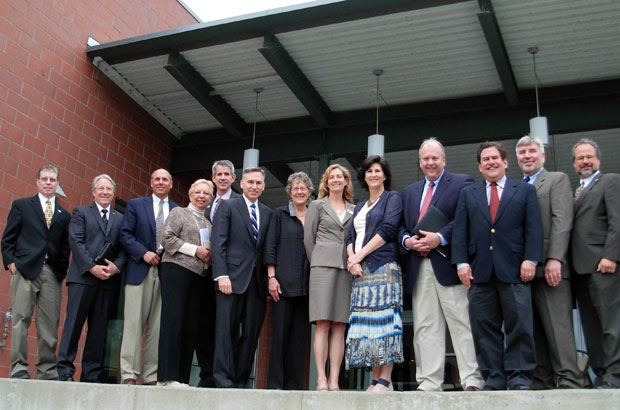
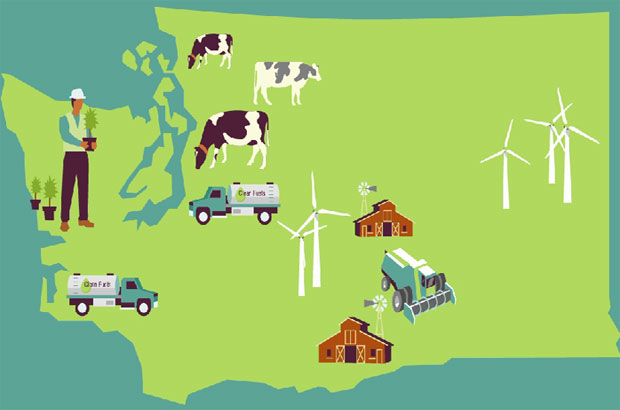
Elected officials are lining up to support clean fuels in Washington. Add your voice to this surge for consumer choice, job growth and a cleaner environment!
Elected officials are lining up to support clean fuels in Washington. Add your voice to this surge for consumer choice, job growth and a cleaner environment!
U.S. to curb carbon emissions from air travel, protestors block oil train north of Seattle, BP faces $18 billion penalty for Deepwater Horizon blow-out, and more stories of the week in clean energy solutions.
Join us to help protect the sacredness of the Salish Sea! The purpose of this historic gathering is to address the threats fossil fuel transport pose against Coast Salish territories and waters, including the proposed expansion of the Kinder Morgan Alberta Tar Sands pipelines, tankers. We will also enjoy a great Salmon Bake with fresh Sockeye, corn and salad.
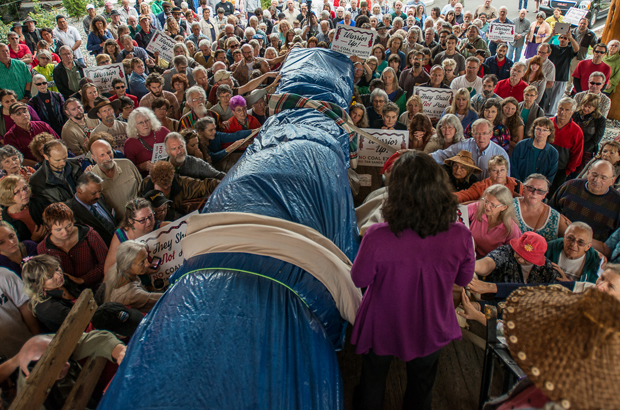
Lummi artist Jewell James has carved a new totem pole as an act of protest against coal and oil export in the Northwest. You can take part in the pole's journey from the Lummi's coastal homeland to the tar sands of Alberta.
A landmark climate victory: Oregon DSL's decision deals a heavy blow to coal export proposals in the Northwest.
It's worth celebrating that county and city leaders in the Northwest are up to the task of climate leadership.
Keynote: Michael Atkinson, President, North America at Alstom Grid
The event will start with a chance for networking and reconnecting with energy and smart grid leaders from across WA and the NW. Smart Grid Northwest’s Executive Director, Bryce Yonker will introduce Alstom Grid North America’s President and CEO, Michael Atkinson. Michael will discuss the future of grid intelligence, what’s driving smart grid innovation, what Alstom is doing across the Northwest, and share Alstom’s story. Michael will field Q&A after his remarks.
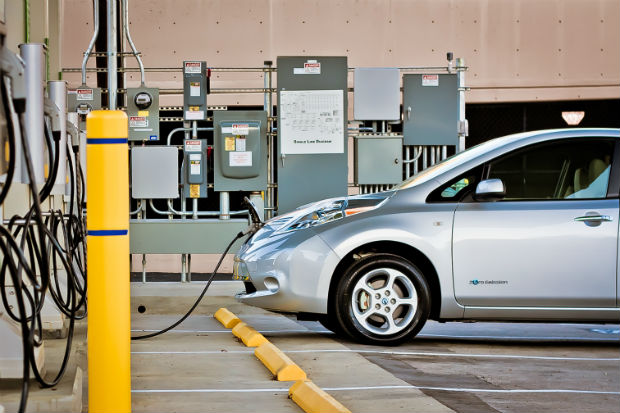
When smart policy meets public demand, EV programs can help cities drive quietly into a low-carbon future.
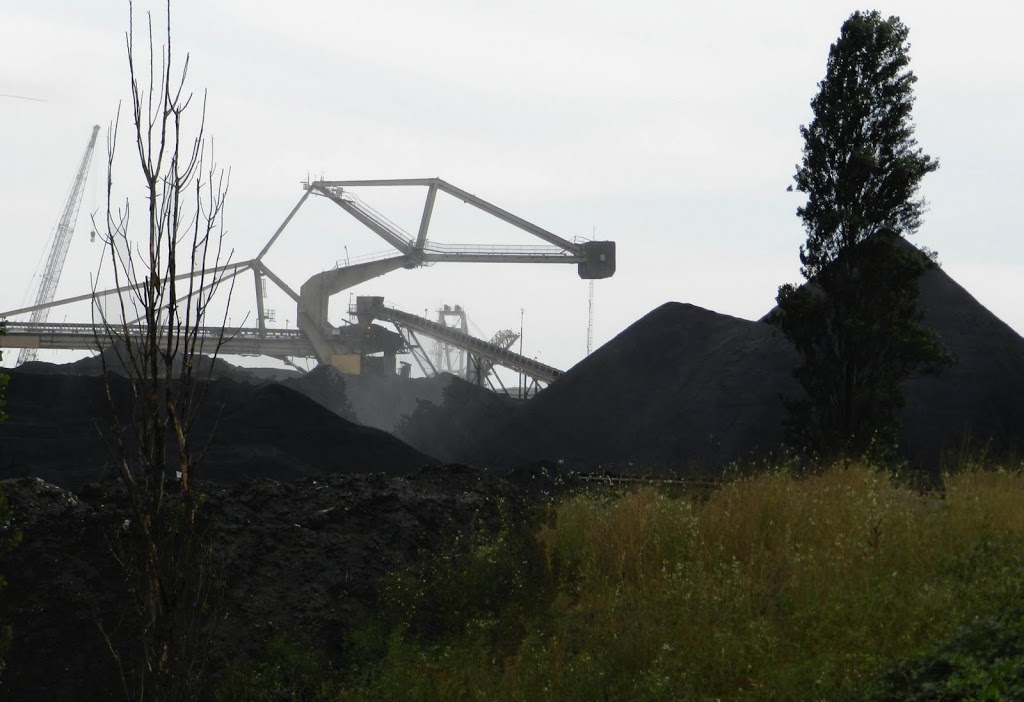
Tell Oregon's Department of Environmental Quality to protect the Columbia River from dirty coal!
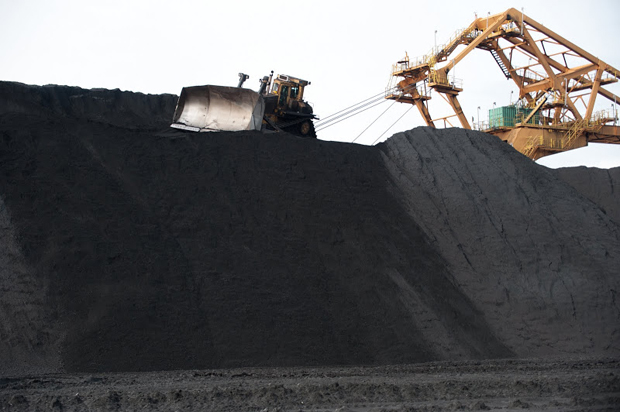
Another decision point is coming on the proposed Morrow Pacific rail-to-barge coal export project on the Columbia River. We need to remind Oregon Governor John Kitzhaber that we the people oppose expanding coal export in the Northwest.