Notes from a Warming, Changing Arctic
Friends of Cooper Island presents George Divoky: Notes from a Warming, Changing Arctic
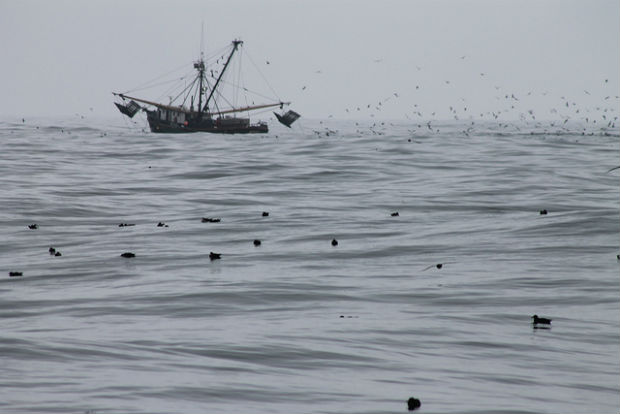
The dangers of oil trains are dominating headlines about proposed oil terminals in Washington. As a long-time crab fisherman out of Grays Harbor, I’m very concerned about another risk: the potential consequences of a major oil spill.
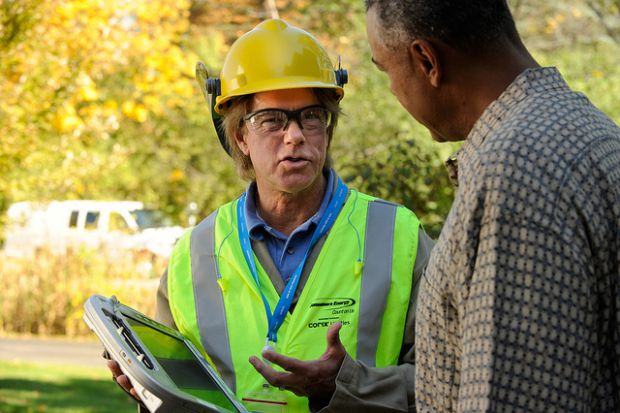
Former EPA Administrator Lisa Jackson once named energy efficiency the “silent hero” in the climate crisis. Republican Governor Butch Otter of Idaho called efficiency the “low hanging fruit in the energy orchard.” We know that a key way to reduce our climate pollution is to reduce our energy demand. By reducing energy use, we also save money on our utility bills. So why are there still barriers to homeowners embracing deep energy efficiency?
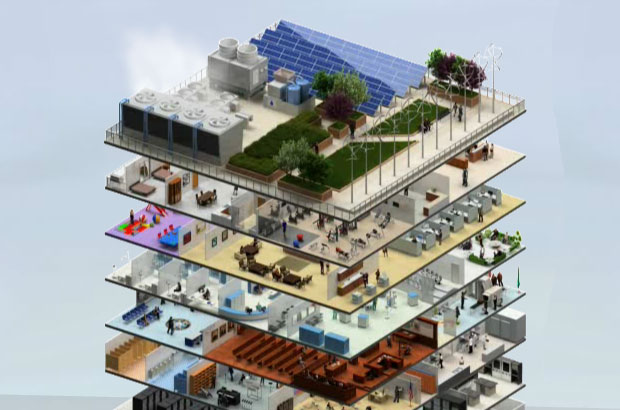
“Every watt saved by energy efficiency measures helps create living-wage jobs,” says Stephanie Pitts of McKinstry, the latest business recipient of the BlueGreen Alliance's "Right Stuff" award.
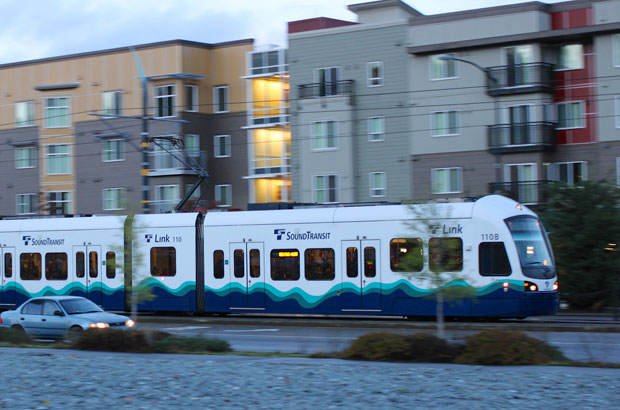
Developing transit-oriented affordable housing (along with a robust transit system) can be a powerful climate solution for cities, increasing efficiencies and reducing the need for driving.

A clean tech company in Portland, Oregon is taking strides to make sure that your windows take your breath away, not your warmth.
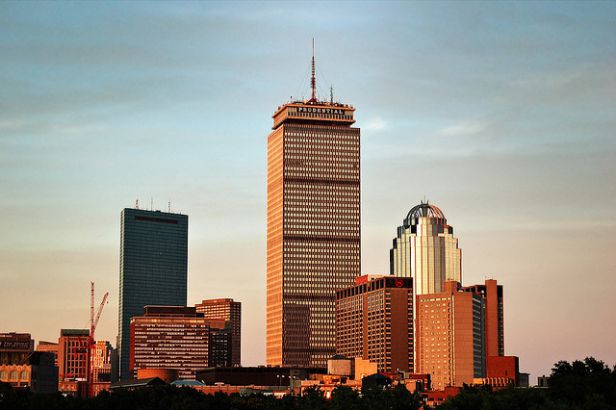
City leaders across the United States see that energy efficiency means not only carbon reduction but also good government and sound economic policy:
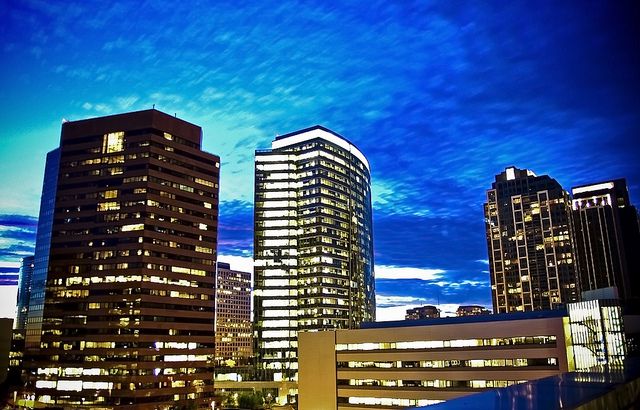
Bellevue, WA has been quietly earning accolades for its achievements in sustainability, clean energy and energy efficiency. What's next for this leading city?
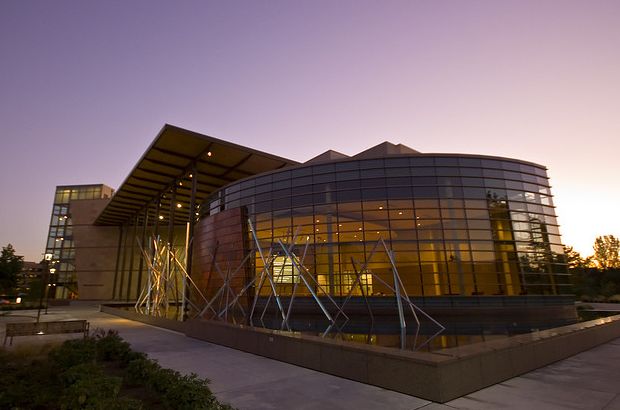
Redmond, WA is walking its clean energy talk, allocating $820,000 to reduce the city's energy consumption and carbon footprint.
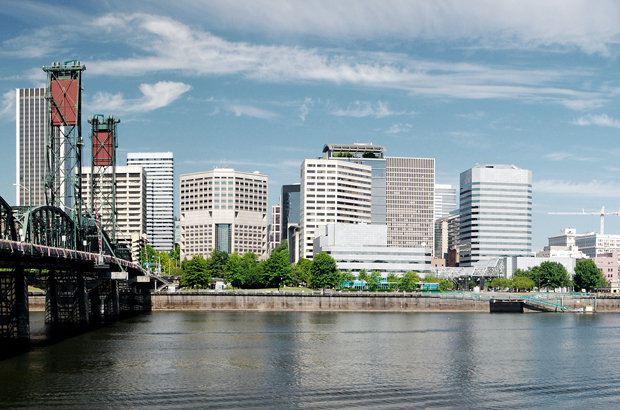
Would you buy a car without knowing how fuel-efficient it is? What about a building? Check out how Portland is making buildings' energy-efficiency data public, and why that's expected to reduce carbon emissions and save money for both owners and tenants.

Oregon has a lot of forests, and great conditions for growing long-lived trees, and those forests store a lot of carbon. Aggressive and unsustainable logging of those forests can contribute heavily to greenhouse gas emissions and climate change.
Join our email lists to learn about what we do and to get involved.
Sign up for text alerts to help win transformative climate policy in the Northwest!
Friends of Cooper Island presents George Divoky: Notes from a Warming, Changing Arctic
Puget Sound Energy is a crucial player on Washington's path toward a clean energy future, but its 20-year resource plan falls significantly short on the urgency and boldness we need to make deep, near-term carbon reduction.
The #LocalImpact16 Conference will empower the next generation of sustainability and social responsibility leaders by providing access to networking events, engaging workshops, and discussions lead by professionals, activists and community leaders who are already creating change. We are looking for innovative and inspired people to join the movement and together we will maximize the positive impact we have on the prosperity of people AND the planet.
The third annual Arctic Encounter Symposium (AES) in Seattle, Washington will convene policymakers, industry leaders, and leading experts to confront the leading issues in Arctic policy, innovation, and development.
Come join Climate Solutions' very own Ross Macfarlane as he outlines the reasons we need a complete transformation of our energy system over the next several decades, and how local and state leadership can play a critical role. “Revolution Required: Climate, Energy, and the Road through Paris” illustrates climate‘s effects east of the Cascades and what the means for the future. Doors open at 6:30 PM for no-host refreshments and the presentation begins at 7:00 PM. Admission by donation.
|
Stand against Tesoro’s reckless oil terminal proposal
For years, you’ve been part of a growing movement throughout the Pacific Northwest to oppose dirty, dangerous fossil fuel projects—from coal export to oil-by-rail terminals. On January 5, we’re coming together again to oppose the proposal for the biggest oil-by-rail terminal in North America.
For years, you’ve been part of a growing movement throughout the Pacific Northwest to oppose dirty, dangerous fossil fuel projects—from coal export to oil-by-rail terminals. On January 5, we’re coming together again to oppose the proposal for the biggest oil-by-rail terminal in North America.
The Urban Clean Energy Revolution report details the state of play of low-carbon cities and describes a rich array of best practices and examples of urban clean energy innovation and carbon reduction.
The international climate talks are a moment in time for forward-looking urban leaders to demonstrate the collective political will they have amassed for bold climate action, and to show how far they have already come in reducing carbon emissions.