Oregon's Climate Protection Program moves one step closer to delivering community investments
The selection of a Community Climate Investment administrator marks another step in implementing Oregon’s Climate Protection Program.
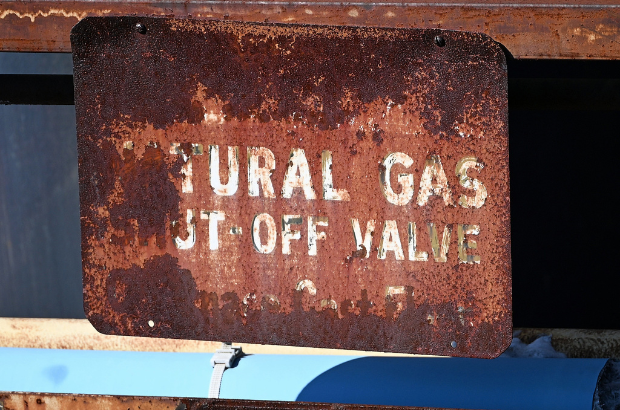
How one savvy home cook is making the transition from gas to electric cooking gradually and affordably. The health and efficiency benefits are on fire
[PRESS RELEASE] A group of environmental, climate, and business organizations intervened in the Oregon Court of Appeals to defend the state’s Climate Protection Program (CPP) against challenges from the oil and gas industry.
Building the grid we need to power our future starts with smart planning. Transmission planning is the process of identifying actions to improve and modernize the grid, including Grid Enhancing Technologies (GETs), co-located transmission lines (in existing rights-of-way, such as highways), and, when necessary, new transmission lines. This ensures that energy can be reliably and affordably delivered to homes and businesses. Planning is foundational to building a cleaner, more affordable, and more resilient energy system. Because Oregon’s grid is deeply interconnected with neighboring states,…
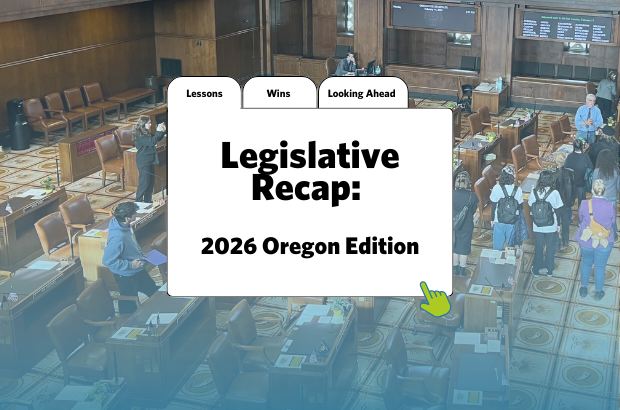
Explore Oregon's 2026 legislative wins and the lessons learned from the climate policies that fell short. It highlights the missed opportunities for lower energy bills while looking ahead at the work needed to build a more resilient state in 2027.
A decade of progress deserves to be celebrated, especially right now. In a moment when climate headlines can feel like a constant stream of bad news, Oregon’s Clean Fuels Program (CFP) turning 10 is a win worth celebrating. It is one of those rare public policies that has quietly, consistently done exactly what it was designed to do: cut pollution, improve health, and drive investment into cleaner transportation choices across the state.
Oregon can make our energy grid stronger and more affordable by using virtual power plants to coordinate local tools like home batteries and smart appliances. These smart solutions help lower energy costs for everyone while creating good local jobs in our communities.
Announcing Oregon’s 2026 legislative short session priorities, which aim to double down on climate action that lowers household energy costs, addresses financing gaps left by federal funding cuts, grows the economy, and strengthens community resilience.
Our north star is simple: we need to be investing in Oregon, not DOGE’ing essential safety, transit, and climate programs or discouraging the transition to clean transportation.
Migration, displacement, and climate insecurity are inextricably linked. Struggles for social justice and immigrant rights have deep intersections with climate advocacy– anchored in respect for neighbors, community, home, and the protection of a healthy, vibrant future we can all share in together. The team at Climate Solutions is honored to join our coalition partners in Oregon for All, standing together to protect and advance immigration justice. This collaboration is dedicated to seeing our communities thrive.
Join our email lists to learn about what we do and to get involved.
Sign up for text alerts to help win transformative climate policy in the Northwest!
The selection of a Community Climate Investment administrator marks another step in implementing Oregon’s Climate Protection Program.
[PRESS RELEASE] A group of environmental, climate, and business organizations intervened in the Oregon Court of Appeals to defend the state’s Climate Protection Program (CPP) against challenges from the oil and gas industry.
Building the grid we need to power our future starts with smart planning. Transmission planning is the process of identifying actions to improve and modernize the grid, including Grid Enhancing Technologies (GETs), co-located transmission lines (in existing rights-of-way, such as highways), and, when necessary, new transmission lines. This ensures that energy can be reliably and affordably delivered to homes and businesses. Planning is foundational to building a cleaner, more affordable, and more resilient energy system. Because Oregon’s grid is deeply interconnected with neighboring states, transmission planning requires both state and regional coordination.

Explore Oregon's 2026 legislative wins and the lessons learned from the climate policies that fell short. It highlights the missed opportunities for lower energy bills while looking ahead at the work needed to build a more resilient state in 2027.
A decade of progress deserves to be celebrated, especially right now. In a moment when climate headlines can feel like a constant stream of bad news, Oregon’s Clean Fuels Program (CFP) turning 10 is a win worth celebrating. It is one of those rare public policies that has quietly, consistently done exactly what it was designed to do: cut pollution, improve health, and drive investment into cleaner transportation choices across the state.