ICYMI: Clean fuels report card is A+++
Turns out clean fuels work for cleaner air and healthier communities.
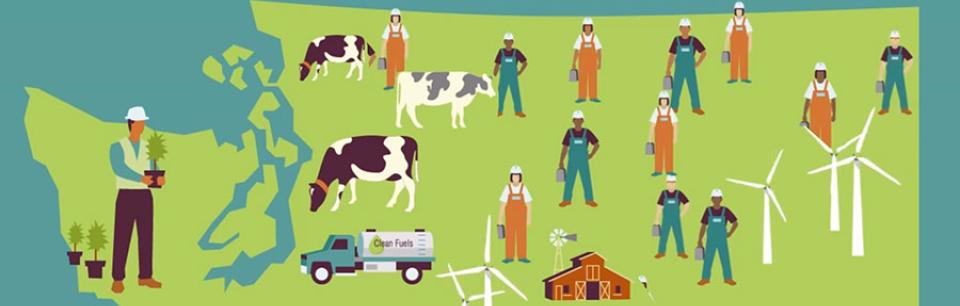

Turns out clean fuels work for cleaner air and healthier communities.
Explore Oregon's 2026 legislative wins and the lessons learned from the climate policies that fell short. It highlights the missed opportunities for lower energy bills while looking ahead at the work needed to build a more resilient state in 2027.

Northwest states respond to the data center boom; Trump admin attacks on environmental protection hit a speedbump; courts weigh in on the clean energy transition

The long-awaited Energy Strategy report is here, providing a roadmap for a clean energy transition, and, with the first-of-its-kind climate executive order from Governor Kotek that directs swift implementation of the findings, a cleaner, reliable, and more affordable energy future is more possible than ever before.
Announcing Oregon’s 2026 legislative short session priorities, which aim to double down on climate action that lowers household energy costs, addresses financing gaps left by federal funding cuts, grows the economy, and strengthens community resilience.

EVs can weigh more, but is that missing the forest for the trees?
Our north star is simple: we need to be investing in Oregon, not DOGE’ing essential safety, transit, and climate programs or discouraging the transition to clean transportation.
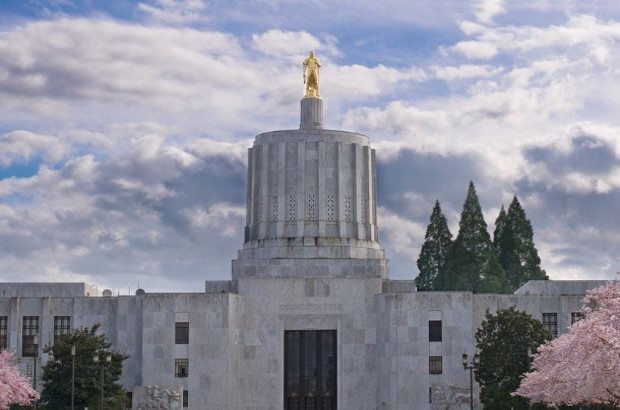
Oregon lawmakers approved a transportation funding stopgap in the special session that ended Monday.
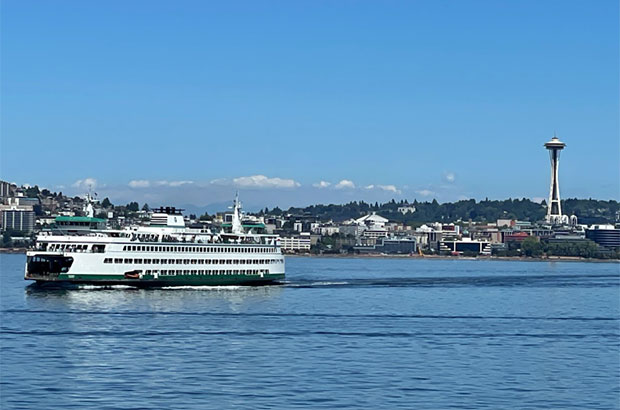
Washington's first hybrid-electric ferry is in service! It's clean, it's quiet, and it's the future of ferry transportation in the Puget Sound.
Oregon’s 2025 legislative session delivered mixed results for climate progress. Sound familiar? That’s because this is the second year in a row that Oregon lawmakers fell short of delivering the bold investments and climate action this moment demands. While we secured hard-fought wins and defended against serious threats that would unwind existing progress, this was far from a banner year for climate action in Oregon. Still, this session laid important groundwork, and we have a clear call to action for the road ahead.
Join our email lists to learn about what we do and to get involved.
Sign up for text alerts to help win transformative climate policy in the Northwest!
Turns out clean fuels work for cleaner air and healthier communities.
Explore Oregon's 2026 legislative wins and the lessons learned from the climate policies that fell short. It highlights the missed opportunities for lower energy bills while looking ahead at the work needed to build a more resilient state in 2027.
Oregon lawmakers approved a transportation funding stopgap in the special session that ended Monday.