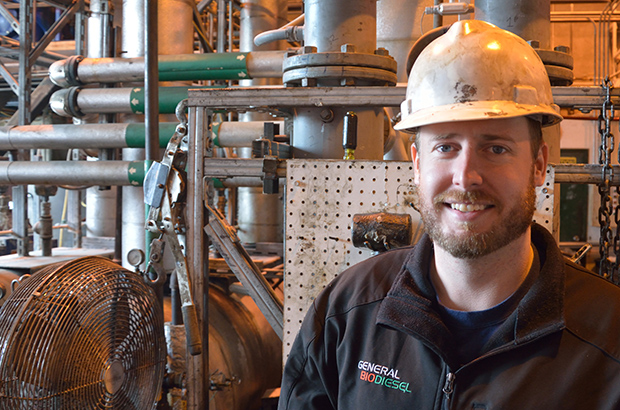
A Clean Burn
A former Texas oilman and a public health advocate stand up to Big Oil, and fight for clean air and homegrown jobs in the Northwest.
A former Texas oilman and a public health advocate stand up to Big Oil, and fight for clean air and homegrown jobs in the Northwest.
The second episode of Years continues a storyline in which Harrison Ford travels to Indonesia to investigate massive slash and burn deforestation projects, which are making way for gigantic, illegal palm oil plantations. The destruction of Indonesia's peat lands - the burning of both the forests' trees and carbon rich soils - now accounts for 4% of the world's total greenhouse gas emissions alone.
What if the farms, rivers, mountains and cities of the Northwest experienced a drought measured in years, rather than months?
Our forests and coastal wetlands store more carbon than we thought. We bring you all of that good news and more in this first Northwest Biocarbon Initiative Digest of 2014.
With CO2 levels surpassing safe limits, carbon storage may be the most important life-supporting function Northwest forests provide the planet.
Big coal and big oil head the list of Washington's top polluters, reminding us that we need strong protections against greenhouse gas emissions.
The 60 Minutes piece was more than a case of bad reporting - it deliberately ignored the context within which clean tech operates: climate change.
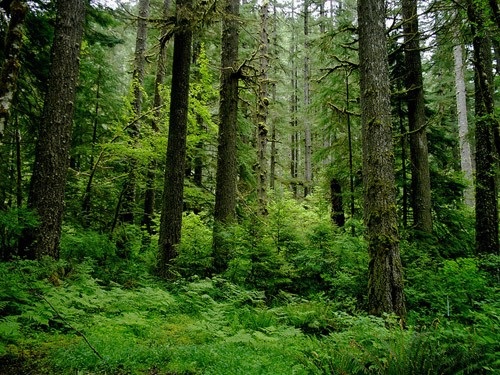
Since forests absorb and store vast amounts of carbon, protecting forests, especially old growth forests like those in the Pacific Northwest, should be a key component of any plan to mitigate the effects of climate change.
It’s happening in our urban and rural forests, in and around our buildings and streets, on our farmland, and in the seagrass meadows, salt marshes and mangroves along our coasts. Done right, it just might stem the tide of runaway climate change.
The health of forests and their owners are directly connected, an insight that has generated an innovative Oregon program to increase forest carbon.