Follow the disappearing climate money
Climate funds are being cut at all levels of government – even in the Pacific Northwest.
Climate funds are being cut at all levels of government – even in the Pacific Northwest.
Here’s what you can do about it.
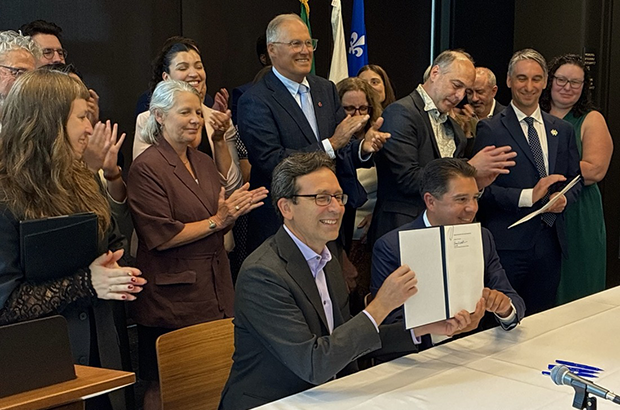
Washington is bolstering and broadening our climate pollution-reduction program by officially linking with Québec and California. These three governments show what’s possible in coordinated efforts to fight climate change.
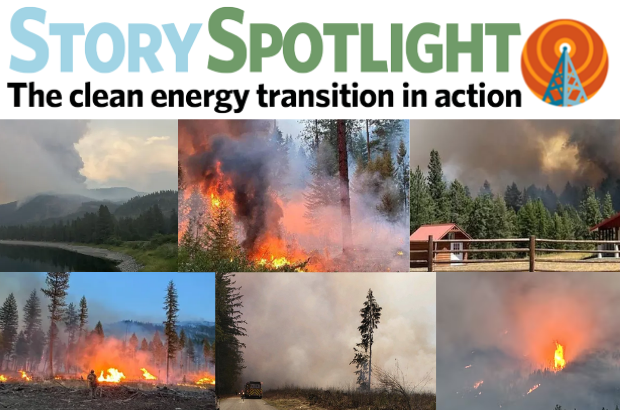
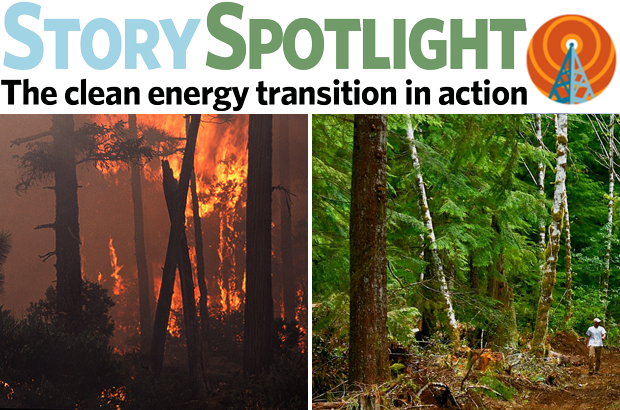
As wildfire season approaches, we present a gripping, first-person account of wildland firefighting in Washington State. The latest in a series of personal impacts from wildfires.
Turns out clean fuels work for cleaner air and healthier communities.
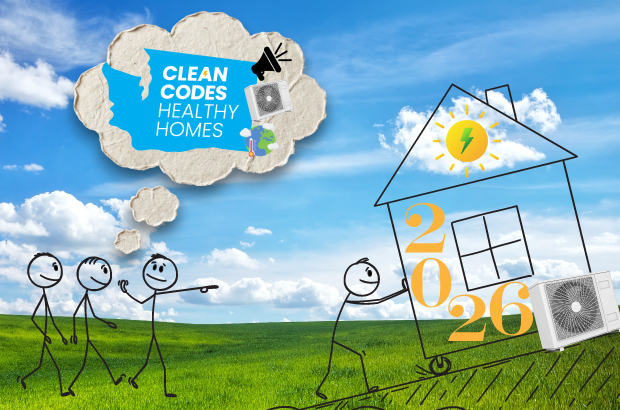
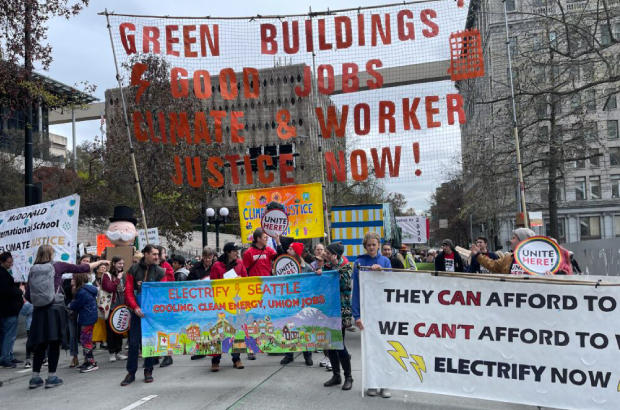
Campaign redux! Updating our energy codes (again) is crucial for our climate, because the energy we use to heat and cool our buildings is the fastest-growing source of climate pollution in Washington.
Many of us don't think about forest fires during the cold weather months, but an important few definitely have: wildland firefighters working with Washington's Department of Natural Resources. Guest contributor James Ellis is a wildlands firefighter who is also currently incarcerated. Read - or listen to - his story.
What do a sprint, a time warp, a whirlwind, and a pressure cooker have in common? They are all frequently used metaphors for Washington’s short, 60-day legislative session.
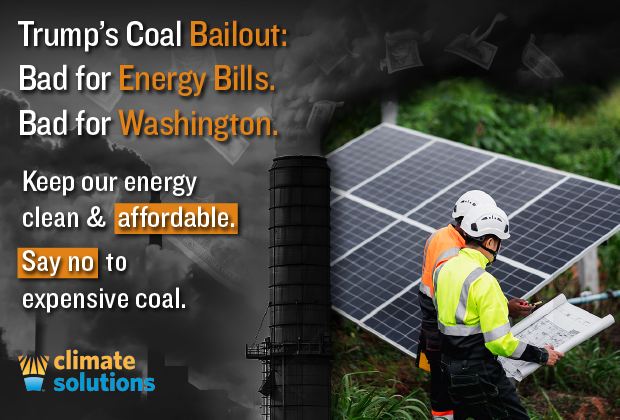
Washington State is so over coal. We banned it from our power plants, from our ports—and from our air and water. The Trump administration's heavy-handed attempt to keep coal alive in the Northwest is backward-looking and unlawful. That's why we're fighting back.