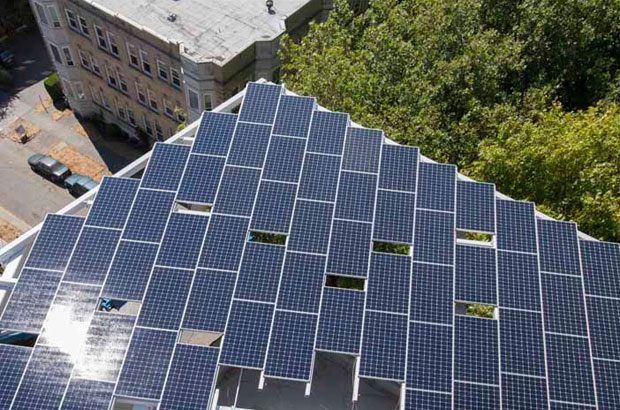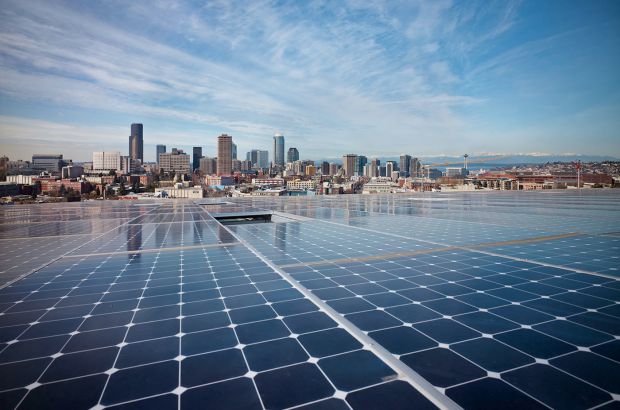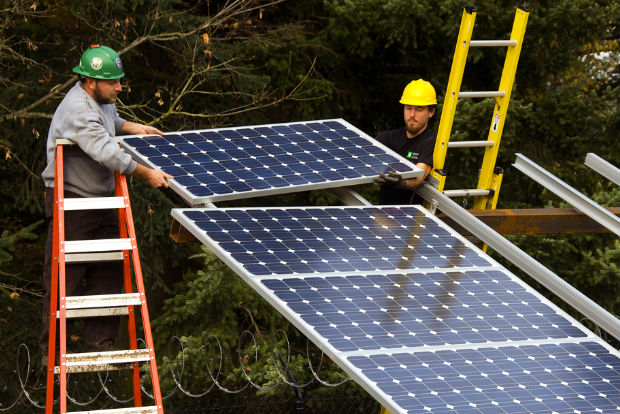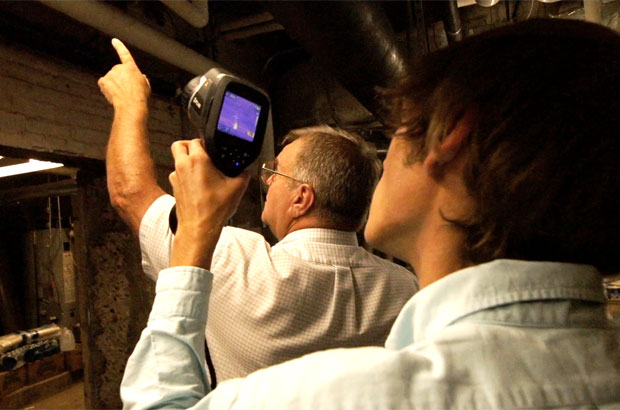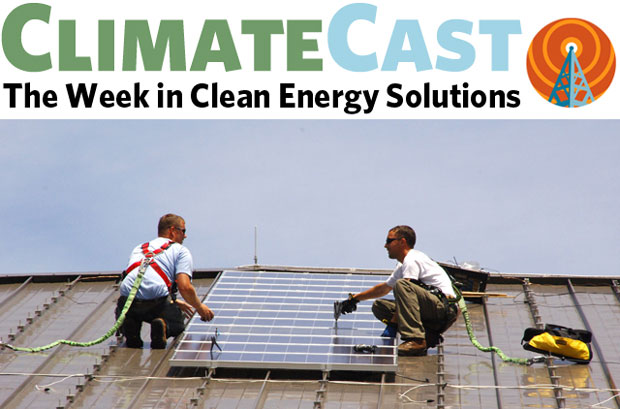
We have examples from across the country and worldwide that ought to close the confidence gap once and for all: yes, clean energy technologies work during cold weather.
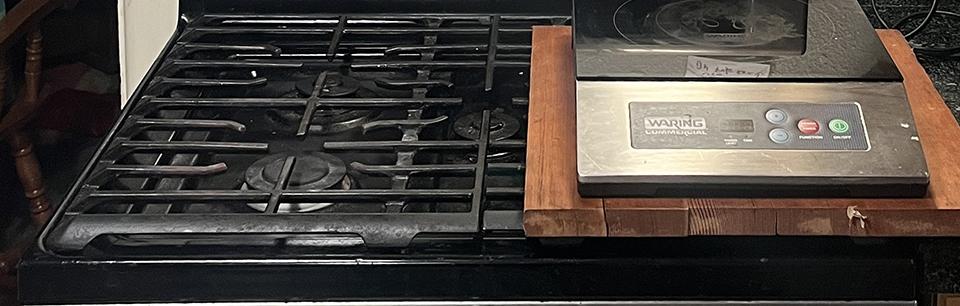
Clean buildings
Heating and powering our homes and businesses generates a lot of our climate-changing pollution; our built environment is a major contributor to global warming. If our homes and buildings were carbon-free and energy efficient, we would significantly reduce our climate pollution, drastically cut energy costs for owners and renters, and improve air quality where we live and work.
For example, in both Oregon and Washington State, climate-worsening pollution from buildings are growing at a faster rate than any other source, with this increase largely attributable to the use of fossil gas in homes and buildings. Burning fossil gas in homes and buildings is not only a significant contributor to climate change, but also poses significant health risks for our communities, children, and other vulnerable populations.
Indoor air quality issues are particularly concentrated for low-income residents in smaller units with poor ventilation. Communities of color are already disproportionately impacted by outdoor air pollution, and should not continue to be disproportionately harmed by poor indoor air quality as well. Gas appliances also worsen our outdoor air quality. For example, California’s residential appliances releasing more than two times as many NOx emissions as all of their gas power plants combined, and commercial gas appliances releasing just as much NOx pollution as all of California’s cars.
States and many cities in the region and around the country are increasingly looking at ensuring all new buildings are electric as a key cost-effective pathway for achieving their local or state greenhouse emissions goals. Electrifying buildings is critical to addressing climate change, but it is also achievable, affordable, safe, and creates a more resilient energy system.
We are working with lawmakers and community partners to move rapidly toward electrifying our buildings for heating, cooling and cooking. We can also construct homes and buildings that get all their energy from sustainable sources, and even produce as much energy as they use — net zero energy buildings.
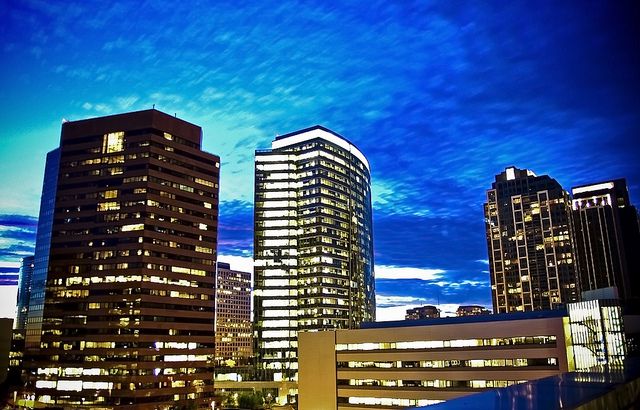
Bellevue builds clean energy cred
Bellevue, WA has been quietly earning accolades for its achievements in sustainability, clean energy and energy efficiency. What's next for this leading city?
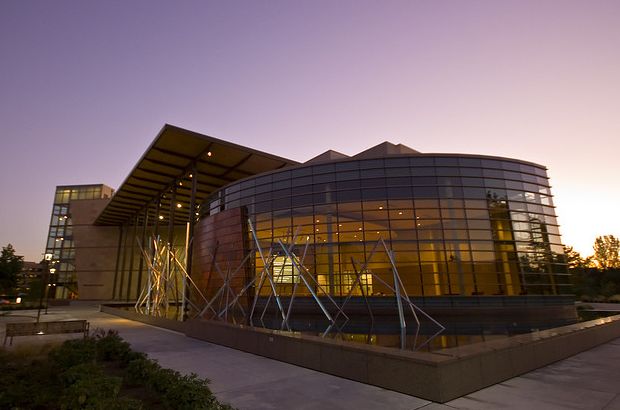
Redmond, WA gets its clean energy house in order
Redmond, WA is walking its clean energy talk, allocating $820,000 to reduce the city's energy consumption and carbon footprint.
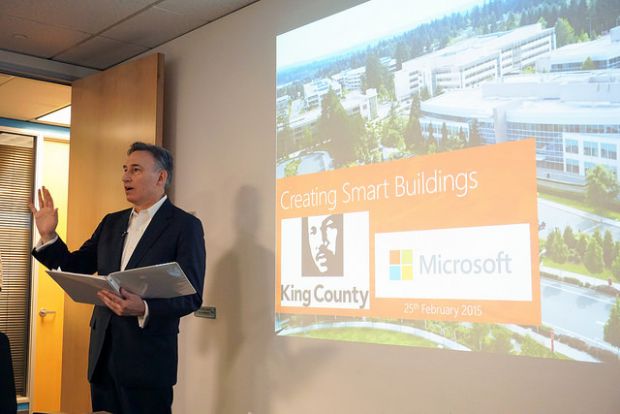
King County makes buildings energy-smart
Microsoft’s campus in Redmond, WA is effectively a city of 500 acres and more than 125 buildings, with a daytime population of 58,000.
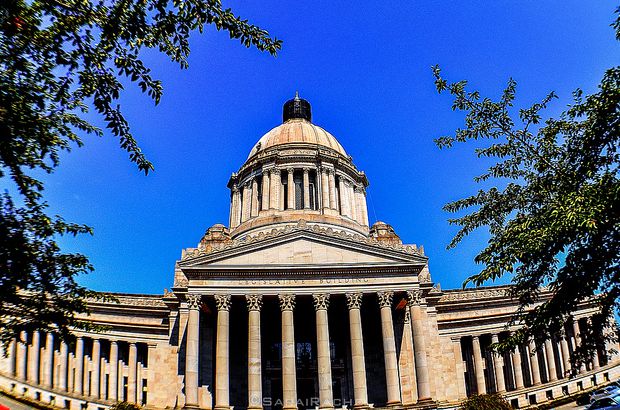
Time for Local Climate Action in WA State
The 2015 Washington State Legislature gets underway in Olympia, and local officials across Washington are ready.
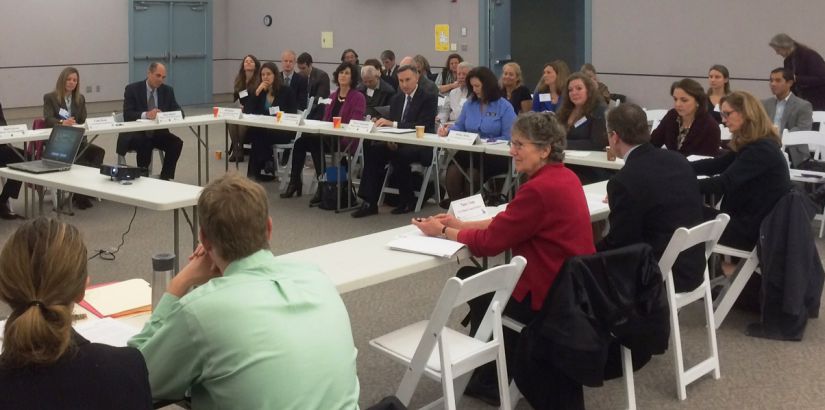
Getting Serious about Reducing Carbon Emissions
Elected officials from King County and 12 cities commit to an ambitious carbon reduction agenda for 2015.

How a strip club becomes a climate justice solution
Working together, local groups in Portland's Cully neighborhood are redefining sustainability and development as an anti-poverty strategy.
Art and Science: Carbon-Cutting in Shoreline, WA
On-the-ground urban carbon reduction strategies are essential with or without carbon pricing, as they are the bricks-and-mortar pathways to a low-carbon future.

Utility bonds downgraded on promise of rooftop solar with storage
Renewables gain market share as prices drop, Royal Dutch Shell rebuffs 'stranded asset' worries, California cap-and-trade laid bare, and much more

Solar prices plummet, utility model in jeopardy
In this week’s ClimateCast: British Airways inks contract to buy fuel made from garbage; Keystone pipeline decision delayed until after November elections; solar prices plummeting to parity with market prices; and more.
Capturing carbon, saving money, enhancing regional communities
On August 1, the City of Portland graciously hosted the Northwest Biocarbon Initiative (NBI) along with our partners at Ecotrust and the