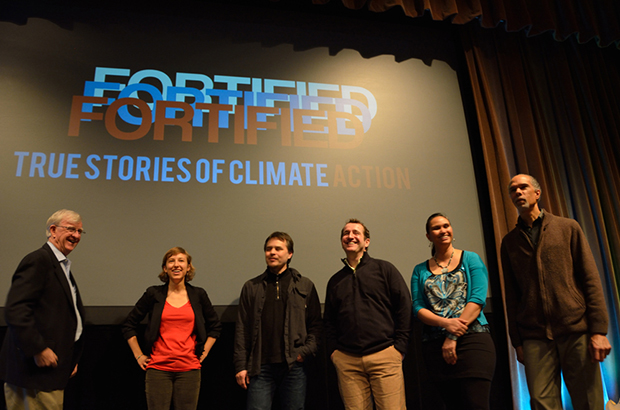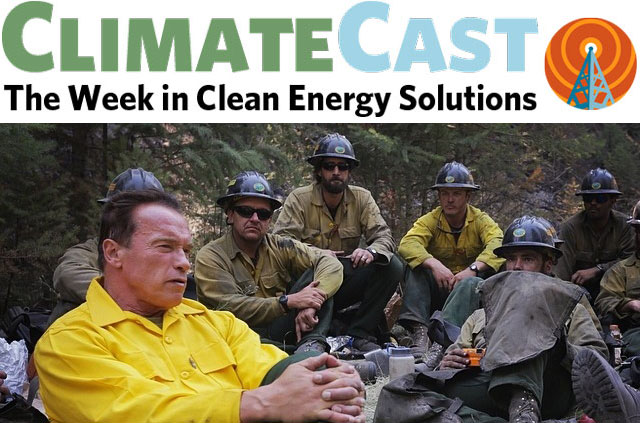
Years of Living Dangerously will redefine climate communication
Efficiency programs save BPA customers $1 billion in per decade. Do the utility's short-term needs really take precedence over our energy and climate future?
Tell Governor Kitzhaber: Coal export is no good for the Columbia River, Northwest communities, or our climate. No coal terminal at the Port of Morrow!
The short 2014 Washington legislative session concluded on Thursday night, and centered on a single question: How will we prepare a better future for our children?
Our forests and coastal wetlands store more carbon than we thought. We bring you all of that good news and more in this first Northwest Biocarbon Initiative Digest of 2014.
Advanced Energy Economy just released our new Advanced Energy Now 2014 Market Report. It is a remarkable piece of work, produced for us by Navigant Research. It shows the market growth across all the segments and subsegments of what we define as advanced energy, in the United States and around the world.
This is the week of sleepy (read: grumpy) kids in my house, due to the return of daylight savings time. But even a household disrupted doesn’t squelch my love of the lost hour. It’s the signal of longer, warmer – sunnier! -- days to come, the most hopeful time of the year for me. A time to look forward. We’re doing a lot of that around Climate Solutions these days.
The work of choosing and executing strategies that add up to large-scale carbon reduction must begin in earnest. In the Northwest and around the United States, we are seeing early signs that elected officials are responding to this call and starting down the path of hard work.
Erik Lindbergh’s organization Powering Imagination is now working with innovators in electric flight, biofuels, and noise reduction to influence the future direction of aviation.
The financial tools being put to use are the divesting of fossil fuels and investing in renewable energy / sustainable alternatives. The goal is to redirect financing, fuel innovation, and accelerate the shift to a lower carbon economy—which in the popular vernacular might literally “Save the World.”