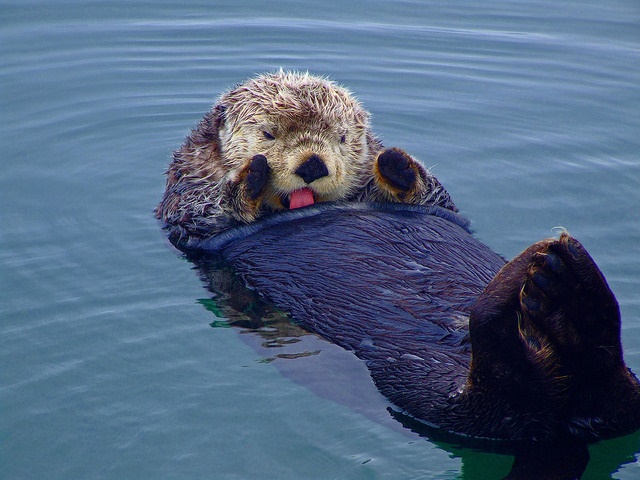
Little known fact: sea otters are biocarbon Ninjas!
On a marine wildlife cruise in Alaska recently I got to touch a sea otter pelt–it was so luxuriously soft my knees almost buckled with pleasure. A new study found that these critters are not only super-cuddly, they also play an outsized role in sucking up carbon from the atmosphere and storing it safely away in the sea.
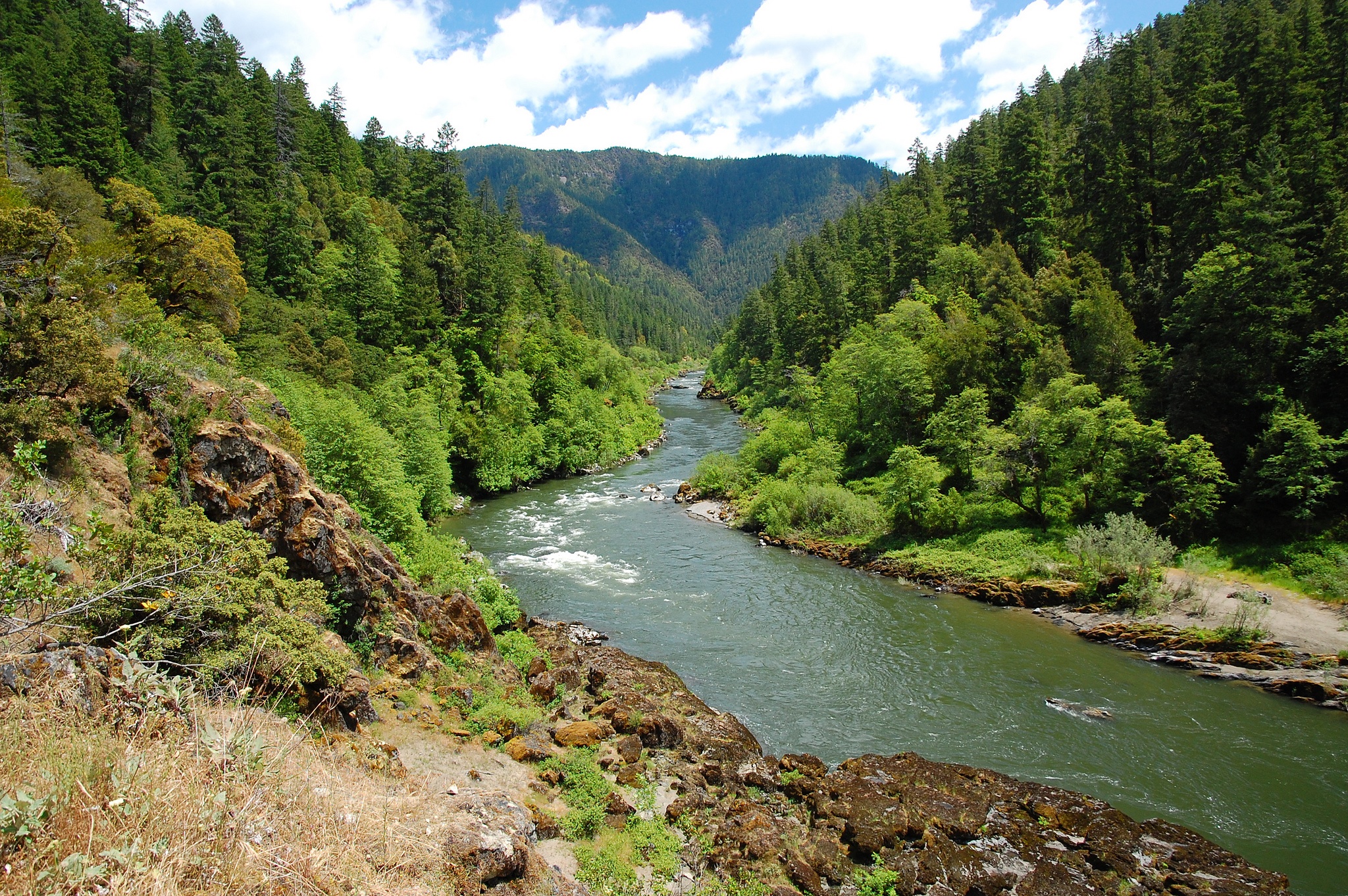
Plan to restore 30 miles of habitat along the Rogue River
Congratulations to the Willamette Partnership, a
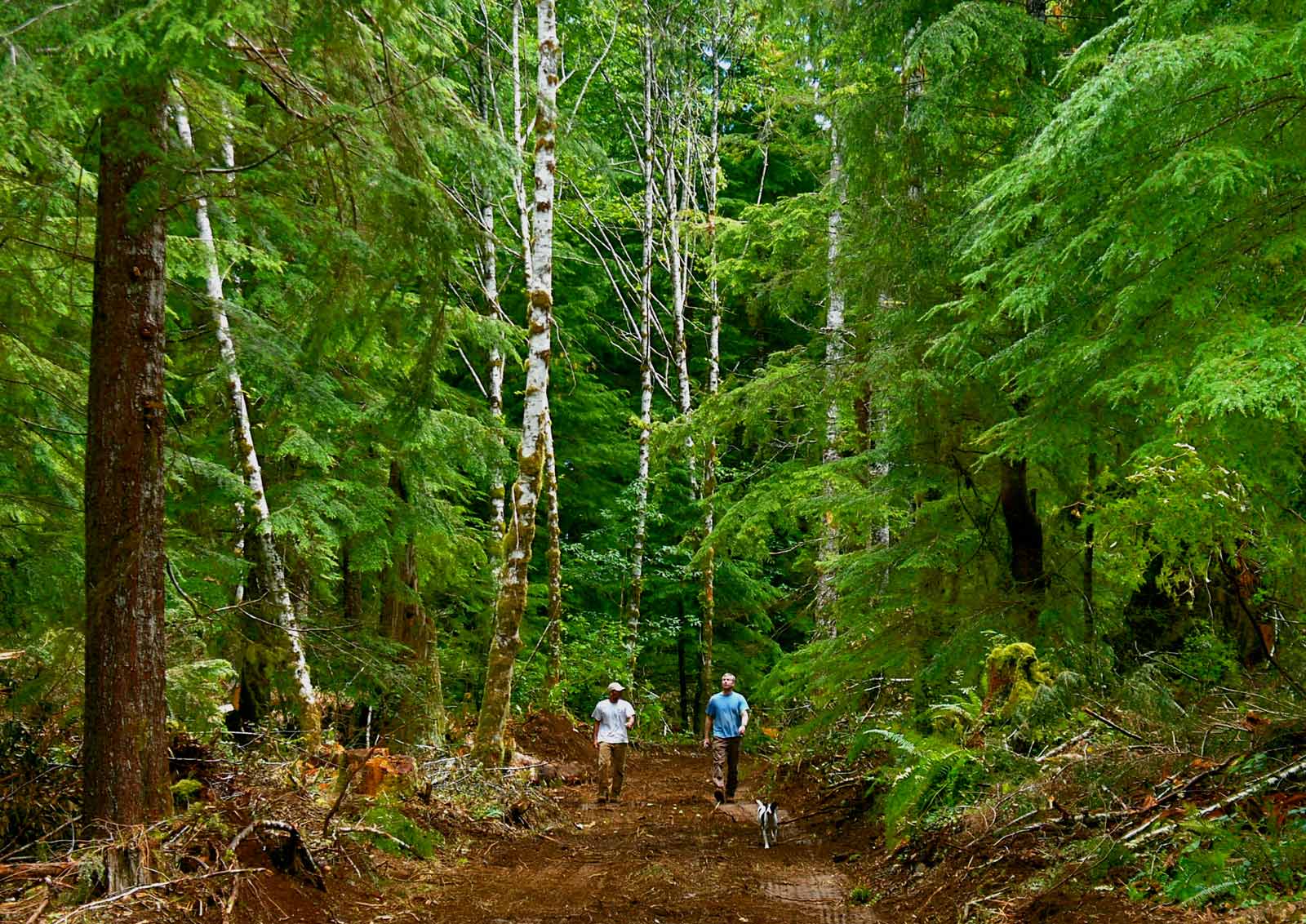
Guest blog: The Northwest is a biocarbon powerhouse
Lost in the current debate over how best to control greenhouse gas emissions from combustion of fossil fuels is the simple fact that it won’t be en
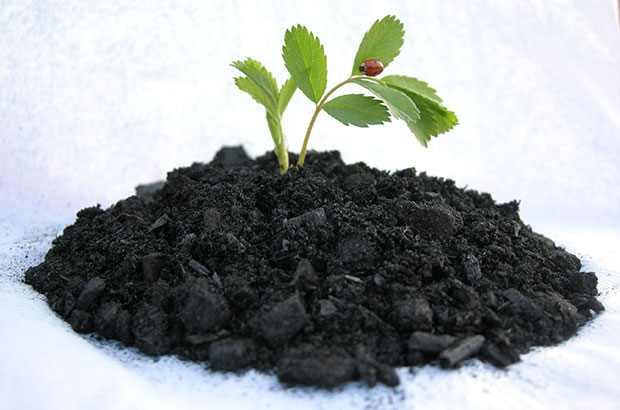
Inspired by the carbon-rich soils of Amazonia
Biochar has had an interesting run over the past several years. As with so many other emerging climate solutions, biochar burst into public aw
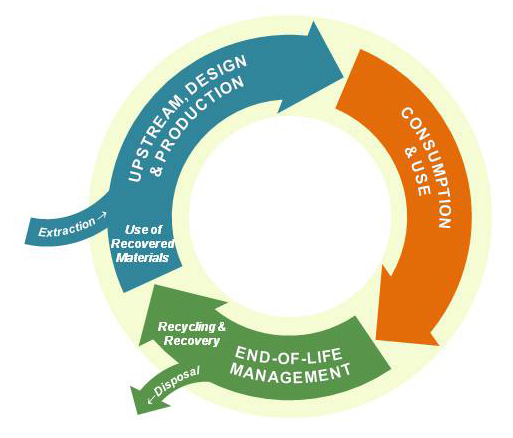
Creating markets for nature's goods and services
The BioCycle Conference in Portland April 16-19 focused on the new economics of materials and natural services – harnessing organic wastes with processes that make valuable goods, and valuing ecological services to send the right signals on the use of nature in general.
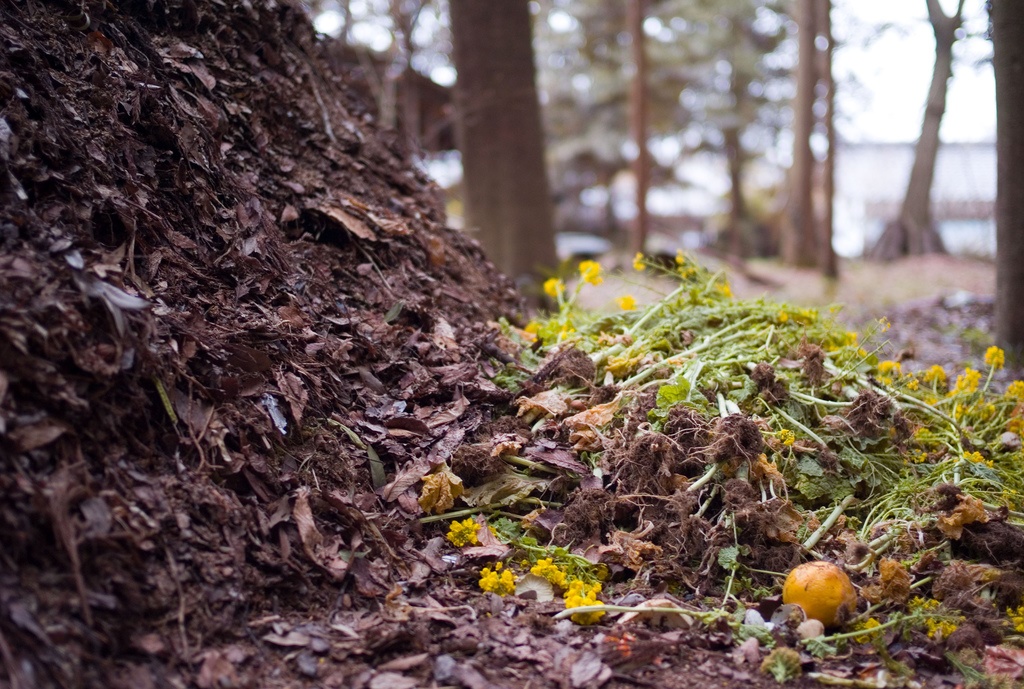
Organic residues provide a vital link to solving the climate crisis
What do yard trimmings, food waste, woody materials, biosolids, manure, municipal solid waste and other organic residues have to do with cooling our overheating climate?
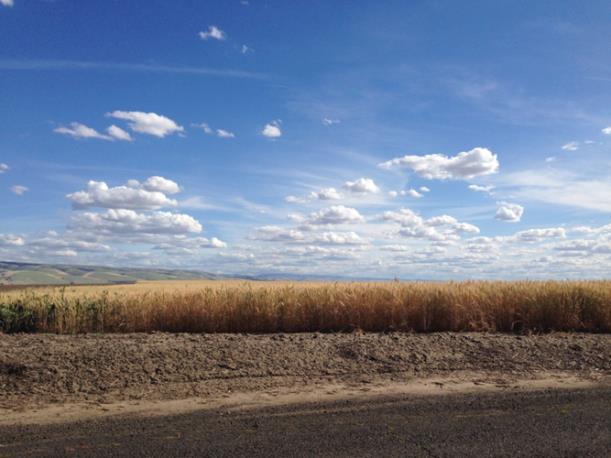
REACCH-ing for farming’s future
Climate change is among the greatest challenges facing 21st century agriculture. To anticipate those challenges a cutting-edge Northwest scientific exploration is bringing some very 21st century tools to bear.
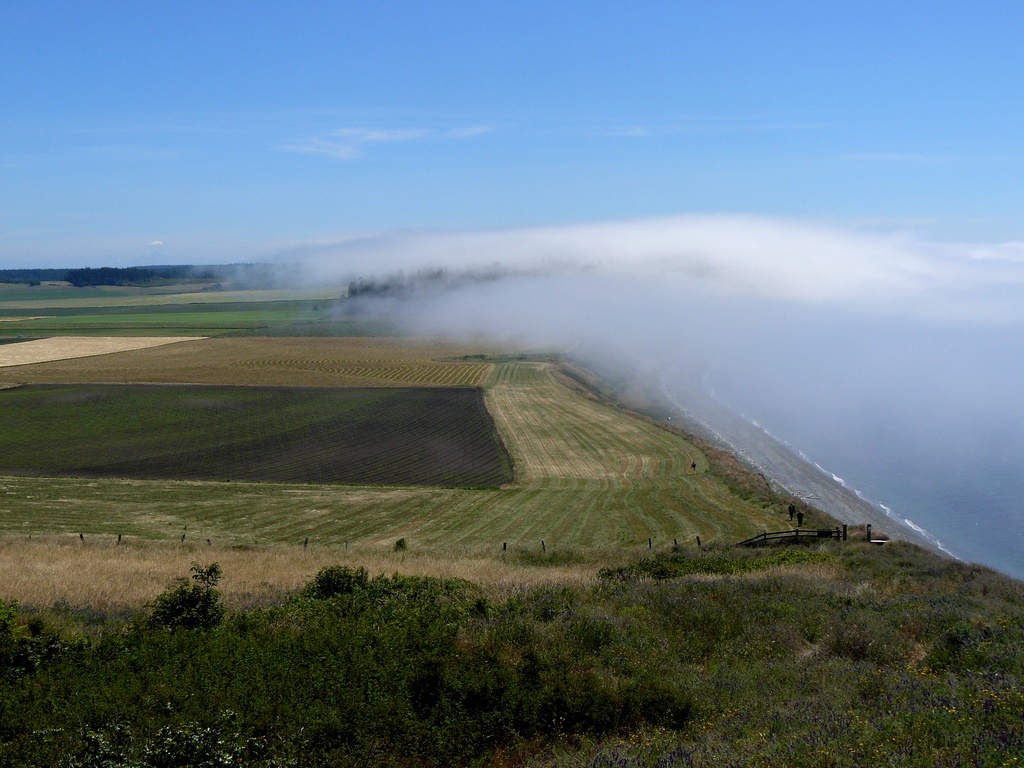
Protecting shrinking farmlands
In a world of ever increasing stress on our food and energy supplies, it makes little sense to pave farmland under sprawl, but that’s what we’ve been doing.
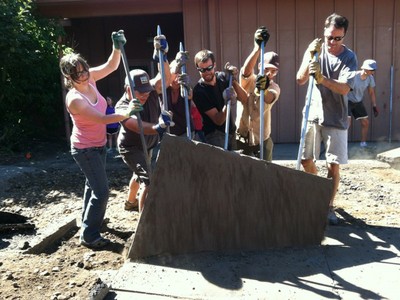
Unpave paradise, get rid of the parking lots
Our country, America the Beautiful, boasts somewhere between 105 million and 2 billion parking spaces, according to a New York Times blog