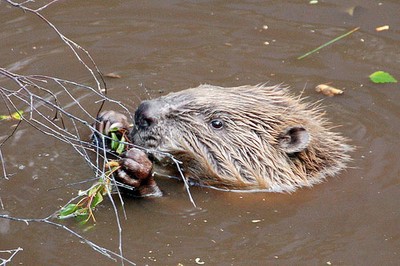
Busy beavers building natural carbon storage
Outside of humans, beavers have more impact on landscapes than virtually any other species. Now a new study reveals those hardworking animals not only build dams but biocarbon storage as well.
Outside of humans, beavers have more impact on landscapes than virtually any other species. Now a new study reveals those hardworking animals not only build dams but biocarbon storage as well.
While much of the media attention of the state legislature session focused on the near government shutdown and the budget negotiations, the legacy
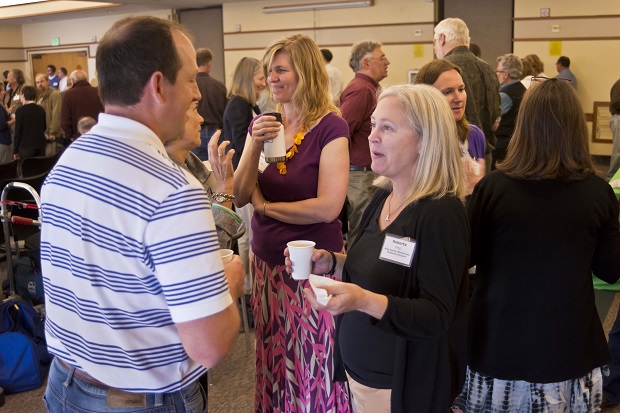
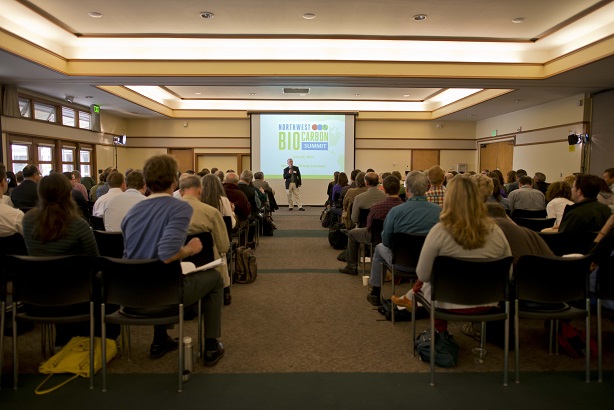
A capacity crowd of 160 thought leaders and innovators gathered on June 10, 2013 at the University of Washington's Center for Urban Horticulture in Seattle for the first-ever Northwest Biocarbon Summit.
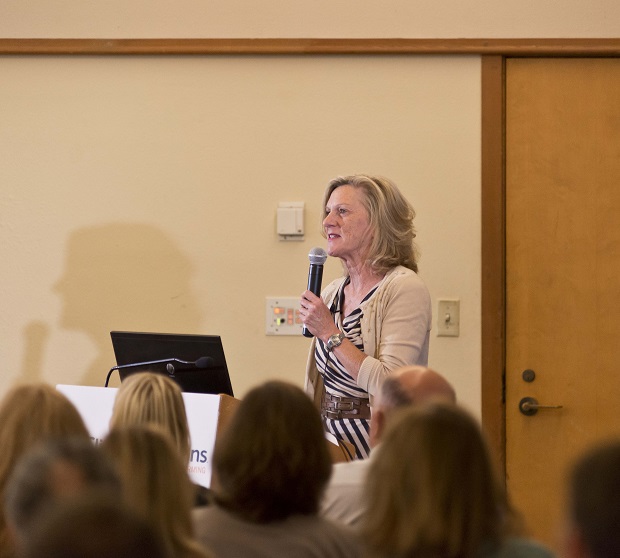
One of the special highlights at the Northwest Biocarbon Summit–for me and many others–was a remarkable series of “Speed Talks” by real-world Northwest practitioners who brought to life the full portfolio of biocarbon solutions.
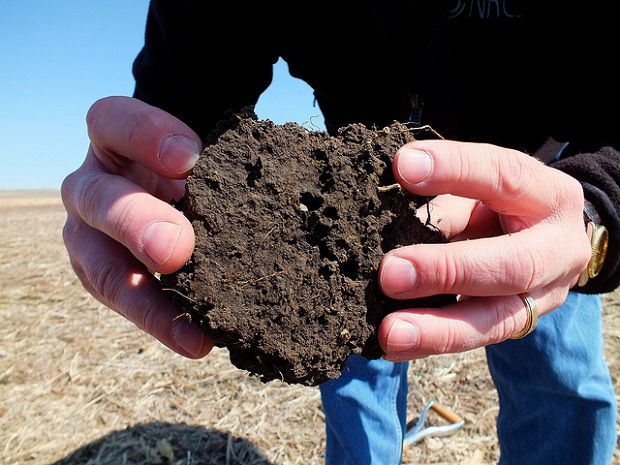
Soil—humble, lowly, everyday dirt—is an essential, irreplaceable, and strategic resource.
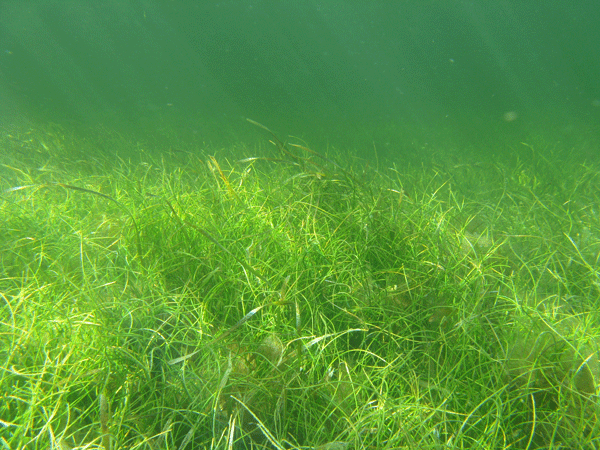
By preserving and expanding areas of coastal vegetation such as mangroves, sea grass beds, and marshes, we can mitigate some of the effects in burning fossil fuels and turn the tide on our rising greenhouse gas emission
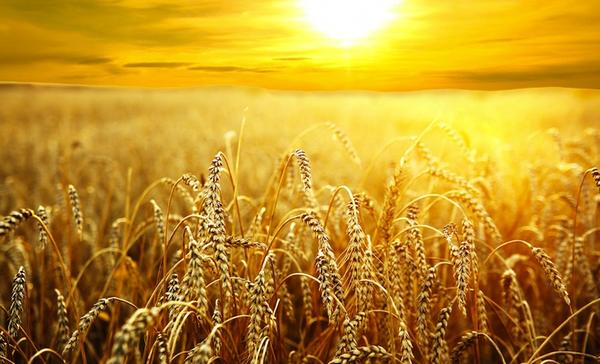
What agricultural practices have the most immediate potential for making a significant contribution to protecting our climate? Think biocarbon.
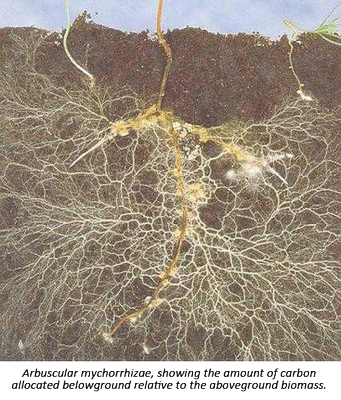
For over a decade, scientists have argued that mycorrhizal fungi should be included in models of global carbon cycling, but they have struggled wit
The only way back to Target 350 is to stop putting so much carbon pollution in the air and at the same time to remove a lot of the accumulated carbon from the air.