Yes we Are! Clean Power Plan ratifies energy transition
Is the new federal Clean Power Plan strong enough? Does it expand the bounds of the possible, so we can do what’s necessary to address the climate crisis?
Is the new federal Clean Power Plan strong enough? Does it expand the bounds of the possible, so we can do what’s necessary to address the climate crisis?
Second-largest U.S. coal company files for bankruptcy, small businesses can finance solar arrays on their property tax bills, UPS aims for 12 percent renewable fuel by 2017, and more news of the week in clean energy solutions.
"The fossil fuel age is winding down..." Northwest leaders respond to the Obama administration's Clean Power Plan
State, regional, and city government leaders are not fiddling while the planet burns. Instead, they are demonstrating the pathways to a low-carbon future.
Climate policy question 1 is simple: Do we have the will to do what is necessary? Not what’s easy. Not what Big Oil will allow. What’s necessary.
Thank Governor Inslee for responding to the threat of global warming—and ask him to continue working for just and equitable climate action that works for all Washington residents.
This week Governor Inslee announced bold action to address global warming, directing his administration to use its full authority under the Clean Air Act to enforce existing limits on carbon pollution.
Wind and solar lead renaissance in Buffalo, NY; construction begins on first US offshore wind farm; France to quadruple its price on carbon; and more news of the week in clean energy solutions.
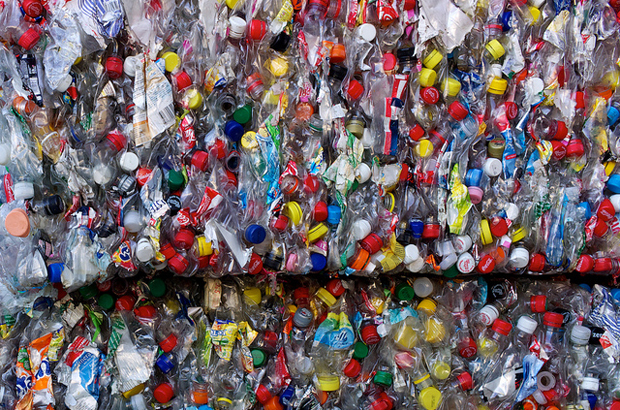
Plastics and other oil-based materials are the basis of many cheap and convenient products. But is it really necessary—or safe—to have these petrochemicals in almost everything we interact with and consume every day? More reasons to wean ourselves from oil.
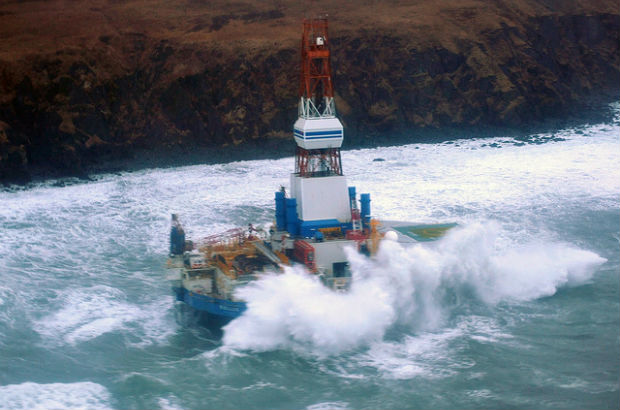
Why are we allowing Shell to drill for oil in the Arctic? Even if tapping a new source of oil wouldn't guarantee a future of climate chaos—and it would—there's no reason to believe Shell has what it takes to leave behind its record of disaster after disaster.