





Majora Carter helped us find our optimism
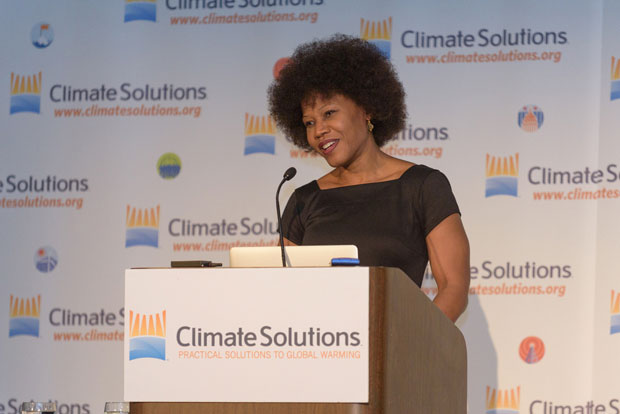
Speaking at Climate Solutions' annual dinner in Portland, Majora Carter fueled both our optimism and our impatience for climate progress.
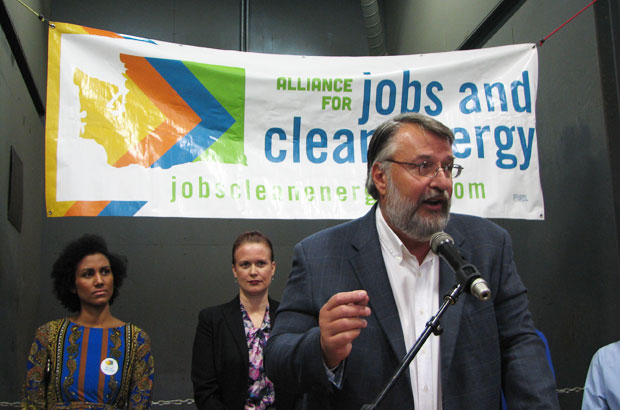
Broad coalitions for climate action took bold steps this week in Oregon and Washington, announcing plans to put climate and clean energy measures on the 2016 ballot.
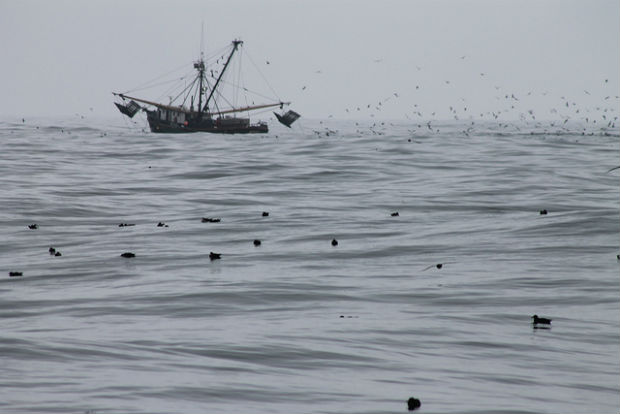
The dangers of oil trains are dominating headlines about proposed oil terminals in Washington. As a long-time crab fisherman out of Grays Harbor, I’m very concerned about another risk: the potential consequences of a major oil spill.
Developing transit-oriented affordable housing (along with a robust transit system) can be a powerful climate solution for cities, increasing efficiencies and reducing the need for driving.
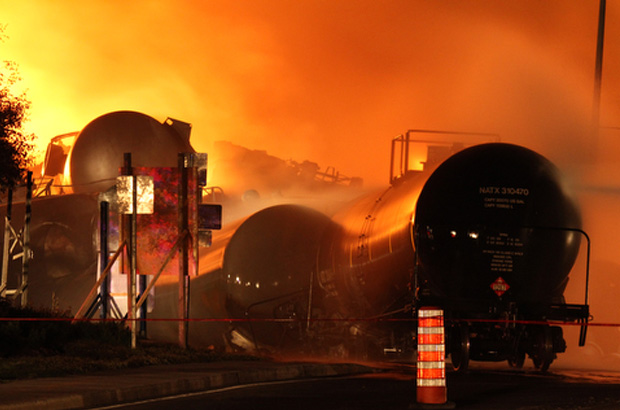
It's been two years since the lethal Lac-Mégantic oil train catastrophe that killed 47 people. With oil-by-rail traffic hugely expanding through our own region—dozens of mile-long oil trains every day—future accidents would seem to be a certainty. This can't remain business as usual.
With an election on the way, here's a valuable opportunity to hear Port Commissioner candidates discuss their vision for a prosperous and sustainable public port.
Kodiak utility goes 99.7 percent renewable, big rigs get a fuel economy makeover, EPA eases biofuels requirements, and more stories of the week in clean energy solutions.
The fossil fuel companies have had us tricked for too long. They've been telling us we need fossil fuels, that our lives can't go on without them.
The Northwest is absolutely humming with climate activism of every sort. Our annual breakfast speakers challenged us to keep up the fight against fossil-fuel dominance, injustice and political inertia, and move from opposition to opportunity.
Working together, local groups in Portland's Cully neighborhood are redefining sustainability and development as an anti-poverty strategy.
Clean energy sector employs more Californians than film, radio and TV; Hawaiian utility bought out by nation’s largest windpower firm; wrangling continues at Lima climate talks; and more stories of the week in clean energy.
Join our email list to learn about what we do and how to get involved.
Speaking at Climate Solutions' annual dinner in Portland, Majora Carter fueled both our optimism and our impatience for climate progress.
Climate action at the state and local level has never been more important than now.
“Climate solutions” aren’t just about reducing greenhouse gas emissions. We need to wage and win a clean energy revolution, to go all the way to a clean energy future. But in an economy rife with inequality and insecurity, such a sweeping transition is hard for most folks to contemplate.
We know that we must transition away from fossil fuels, for the sake of our climate and our future. But we also have a responsibility to make sure that during the transition, workers and vulnerable communities are not left behind. That's why working people are standing up for a Just Transition.
Coal export projects pose an ongoing threat to native fishing rights, cultural traditions and even traditional foods—as well as the threat they pose to our climate. That's why native communities are speaking out against federal subsidies for coal mining on public land.
Historically, environmentalism has focused on the experiences and goals of higher-income, white males. Today environmentalists that are looking to “diversify” the movement must put aside their own agenda, and seek to listen, learn from, and join the global movement of indigenous and communities of color.
Washington's Clean Air Rule will reduce climate-damaging carbon emissions from the state's top polluters. That's a step in the right direction!
Today Climate Solutions launches our Bright Future initiative to demonstrate that the transition to clean energy and a low-carbon economy is within our grasp.
Women may be the most important resource in our efforts to fight climate change. We are worried about what we are doing to our children now and for generations to come.... and we have more power than you think.
Civil-society climate justice advocates and vulnerable nations may be succeeding in their push for a more aggressive target for limiting global warming. This development shows a shift in power towards the priorities of a massive global climate movement–and it's the news from Paris, as much as the climate agreement text itself.