Joint letter supporting Multnomah County's proposed fossil-free public buildings resolution
This resolution ensures that all public buildings in Multnomah County, Oregon are built fossil-free from the start.
Read More


Join our discussion exploring what powers our energy system today, where the trends are headed, and it all means for an energy-smart, climate-safe future for Oregon.
Washington's legislative session begins. So does the Biden administration.
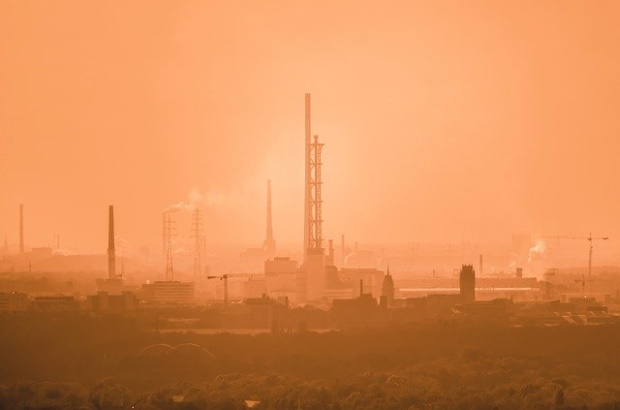
The EQC has decided to stack the cap-and-reduce rulemaking advisory committee with fossil fuel and big business interests.
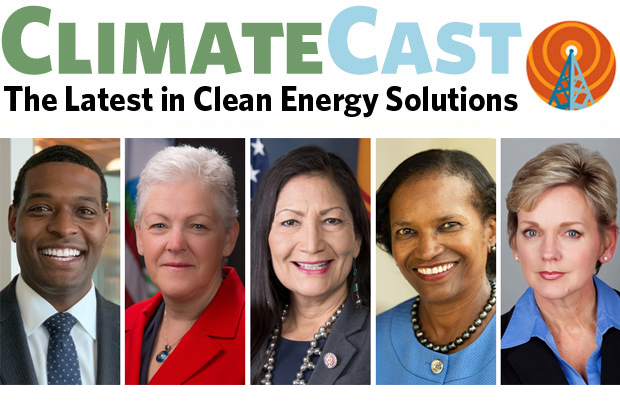
Biden's climate picks bring experience, grit and a focus on environmental justice. Plus: Who the gas industry is targeting now, and climate book recommendations for the holidays!
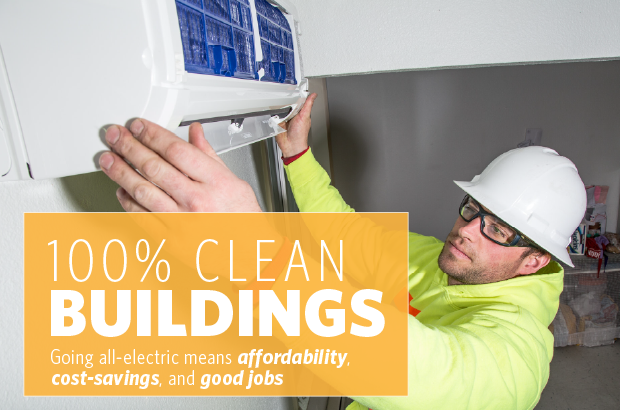
So far our blog series on clean, all-electric buildings has shown how we can reduce our greenhouse gas emissions and improve our health and safety, but what about the economic impacts?
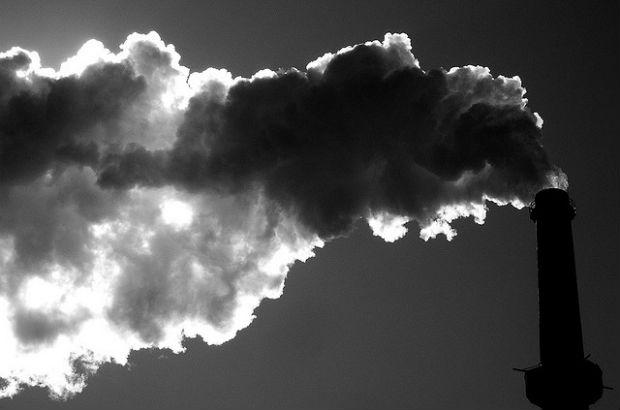
By no longer allowing industries to spew unlimited amounts of pollution into our air, DEQ's new cap-and-reduce policy can help transition Oregon to cleaner ways of powering our economy and communities.
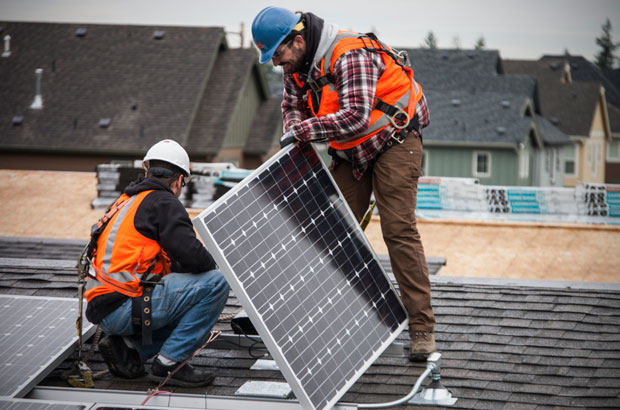
Oregon legislators have proposed cutting the state’s only support for many rural and low-income communities to access solar and energy storage for their own roofs.
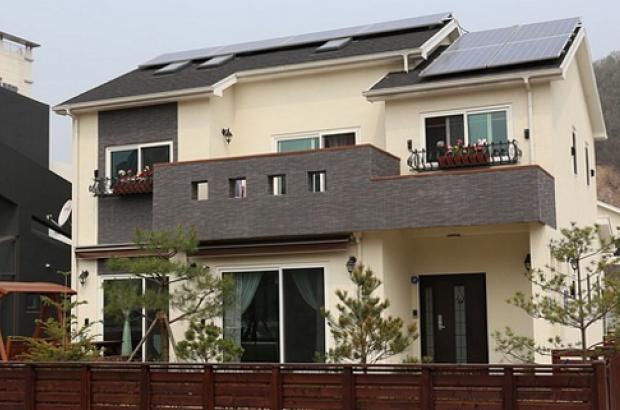
We can rebuild and recover in a more just, clean, healthy, and smart way—while creating lots of high quality green jobs along the way. One of those climate-smart and equitable solutions to build back better than before is right in front of us, and all around us: our homes and other buildings.
A growing list of states and territories have adopted carbon pricing policies, enacted more robust low-carbon fuel standards, and committed to a timeline for transitioning to 100% clean electricity, but Oregon is not among them.
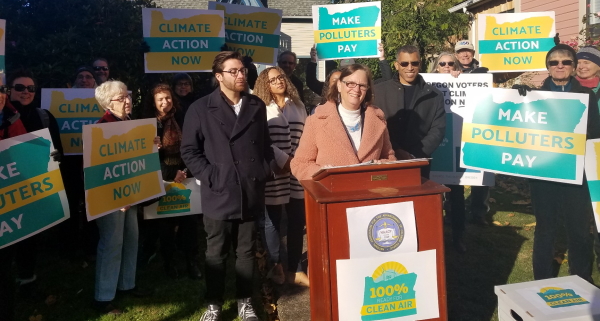
Earlier this week, our coalition of partners officially filed critical climate protection ballot measures with the Oregon Secretary of State's office, having collected twice as many signatures as needed to qualify.
Join our email lists to learn about what we do and to get involved.
Sign up for text alerts to help win transformative climate policy in the Northwest!
Every two years, the Oregon Department of Energy releases its Biennial Energy Report, providing Oregonians with a rich, in-depth analysis of the state's energy sources and usage trends.