
Washington State's climate leadership: prospects and priorities
Climate action at the state and local level has never been more important than now.
Washington has shown that effective climate policy can cut pollution, protect the environment, and can ultimately lower energy costs for Washington families. Amid federal attacks on critical clean energy legislation and funding, Washington must continue to lead. Addressing climate change has always been an enormous challenge, but our wins in Washington demonstrate that we can and we must keep building on our progress.
Our Legislative work in 2026 will keep a focus on cutting pollution and prioritizing energy costs. There has never been a better time to protect and advance programs that are delivering benefits for our communities and making a tangible positive difference in people’s lives.
Our climate work also goes beyond our legislative work and includes local jurisdictions (e.g. cities), energy affordability and utility policy, building codes, and marine emissions.
Unleash Transmission (SB 5466)
We need more clean energy in Washington (more than double our supply by 2050) and right now we are not building the grid at the pace and scale we need to power the clean energy transition. To keep energy costs low, create living-wage jobs, and meet the mandates of our nation-leading climate policies, we must be able to build and move new clean energy.
Protect and Strengthen Washington's Climate Laws
The Climate Commitment Act and the Clean Energy Transformation Act (100% clean electricity) are delivering results, but both programs have loopholes that allow extra pollution and cost the state millions in revenue. With growing uncertainty resulting from federal backsliding, the Legislature must act this year to protect and strengthen these laws by tightening compliance, closing loopholes, and ensuring all large polluters continue to pay their fair share.
Leverage CCA Dollars to Cut Pollution and Boost Affordability
We expect $400-$500 million from CCA that can be spent in the supplemental budget. The Legislature should prioritize these programs to boost affordability and cut pollution.
Overview of our legislative priorities (pdf)
Read more about our Clean Energy Siting legislative priorities here (pdf)
Read more about all our Clean Buildings legislative priorities here (pdf)
We’re also working with the Environmental Priorities Coalition. You can read more about those priorities here.
by Ben Serrurier on
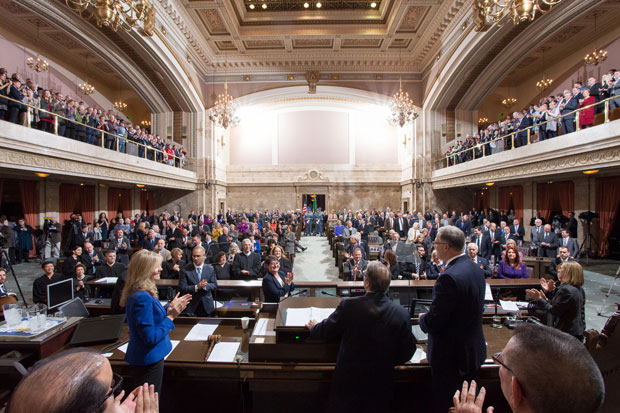
And they’re off! Monday marked the official start of the 2014 Washington State legislative session. Here's a preview of how Climate Solutions will be…
by Jessica Finn Coven on
While much of the media attention of the state legislature session focused on the near government shutdown and the bu
by Jessica Finn Coven on
On May 13, the Washington State legislature started its 30 day special session, an addition to the 105 day “regular” session that ended last month.…
by Patrick Mazza on
Global biodiversity avatar Thomas Lovejoy sees a climate endgame in sight, title of his recent New York Times op-ed. Lovejoy points to biocarbon,…
Join our email list to learn about what we do and how to get involved.
Climate action at the state and local level has never been more important than now.
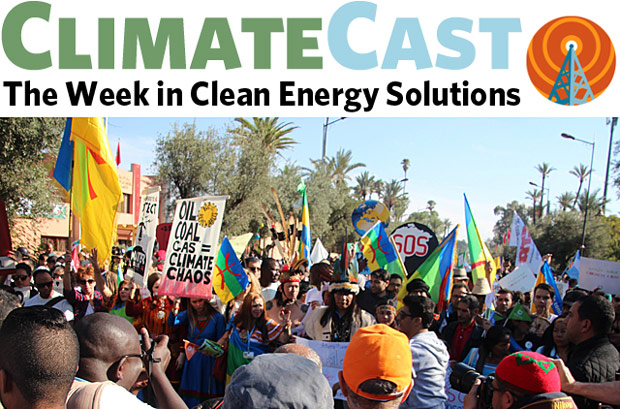
Marrakech delegates reckon with a Trump presidency, Monterey County bans fracking, children’s public-trust climate lawsuit moves forward, and more news of the week in climate and clean energy.
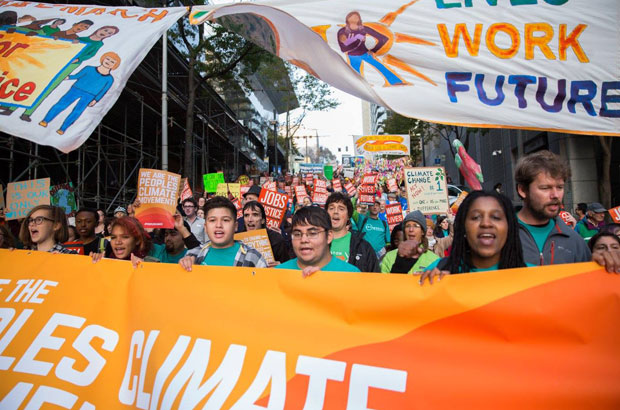
Washingtonians are ready for climate action. Having more voices and interests actively engaged in shaping climate action doesn’t make our task simpler, but it does make it more likely we’ll succeed. That’s an affirmation of the climate movement’s progress and a tremendously hopeful sign for the work ahead.
“Climate solutions” aren’t just about reducing greenhouse gas emissions. We need to wage and win a clean energy revolution, to go all the way to a clean energy future. But in an economy rife with inequality and insecurity, such a sweeping transition is hard for most folks to contemplate.
Climate gets a cameo in the presidential race, Oregon utility to try burning biomass in Boardman coal plant, federal loan guarantees boosted utility-scale PV, and more news of the week in climate and clean energy.
Worldwide electric car sales up 49 percent in first half of 2016, designers develop wearable solar cells, Canada to set a minimum national carbon price, and more news of the week in climate and clean energy.
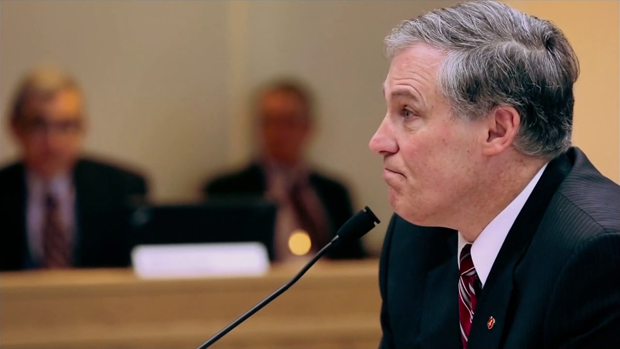
"We appreciate Governor Inslee’s ongoing commitment to putting Washington on a path to a clean energy transition," said Climate Solutions' Vlad Gutman-Britten. "The Clean Air Rule is only the first step to creating a robust policy that drives pollution reduction and invests in creating tens of thousands of jobs in a new, sustainable economy."
Lummi bring totem pole to Sioux pipeline protest, sea-level rise may claim 1.9 million US homes by 2100, EV is to internal combustion as cell is to landline, and more news of the week in climate and clean energy.
US finalizes fuel economy standards for big trucks, Louisiana floods made more likely by global warming, Washington rolls out smart grid pilot projects, and more news of the week in climate and clean energy.
Washington state officials continue working on a new set of rules to cap carbon emissions. Getting ir right will require setting more ambitious goals, in line with current science—and we'll still need more tools to protect our climate and our future.