Why cap-and-invest? One strategy for carbon reduction
Climate Solutions' approach to the Climate Commitment Act, Governor Inslee’s proposed cap-and-invest system, and other systems like it
Read More
Washington has shown that effective climate policy can cut pollution, protect the environment, and can ultimately lower energy costs for Washington families. Amid federal attacks on critical clean energy legislation and funding, Washington must continue to lead. Addressing climate change has always been an enormous challenge, but our wins in Washington demonstrate that we can and we must keep building on our progress.
Our Legislative work in 2026 will keep a focus on cutting pollution and prioritizing energy costs. There has never been a better time to protect and advance programs that are delivering benefits for our communities and making a tangible positive difference in people’s lives.
Our climate work also goes beyond our legislative work and includes local jurisdictions (e.g. cities), energy affordability and utility policy, building codes, and marine emissions.
Unleash Transmission (SB 5466)
We need more clean energy in Washington (more than double our supply by 2050) and right now we are not building the grid at the pace and scale we need to power the clean energy transition. To keep energy costs low, create living-wage jobs, and meet the mandates of our nation-leading climate policies, we must be able to build and move new clean energy.
Protect and Strengthen Washington's Climate Laws
The Climate Commitment Act and the Clean Energy Transformation Act (100% clean electricity) are delivering results, but both programs have loopholes that allow extra pollution and cost the state millions in revenue. With growing uncertainty resulting from federal backsliding, the Legislature must act this year to protect and strengthen these laws by tightening compliance, closing loopholes, and ensuring all large polluters continue to pay their fair share.
Leverage CCA Dollars to Cut Pollution and Boost Affordability
We expect $400-$500 million from CCA that can be spent in the supplemental budget. The Legislature should prioritize these programs to boost affordability and cut pollution.
Overview of our legislative priorities (pdf)
Read more about our Clean Energy Siting legislative priorities here (pdf)
Read more about all our Clean Buildings legislative priorities here (pdf)
We’re also working with the Environmental Priorities Coalition. You can read more about those priorities here.
by Mara Gross on
Key complementary climate policies advance as legislative session reaches halfway point.

by KC Golden on
The impacts of fossil fuels are not just environmentally catastrophic, they’re deeply inequitable. Those who do the least to cause climate disruption…
by Vlad Gutman-Britten on
Today in Olympia, House and Senate committees both advanced proposals to move us faster towards 100% fossil-free electricity—meaning a cleaner…
by Joëlle Robinson on
Progress, fortunately, isn’t just about the performance of the federal government. In Washington, our legislature has big opportunities for climate…
by Mara Gross on
Clean energy, cost saving, job creating investments from the ten states that have already put a price on climate pollution
by Devon Downeysmith on
Global temperatures aren't the only thing heating up--states and cities are showing an appetite this year for strong climate policy. We've got the…
by Climate Solutions on
A coalition of more than 25 organizations sent a message to Washington state legislators calling for strong climate action, in the form of three key…

by Climate Solutions on
A new Washington state poll demonstrates strong public support for legislators prepared to act on climate.

by Jonathan Lawson on
A new Washington state poll demonstrates strong public support for legislators prepared to act on climate.

by Vlad Gutman-Britten on
We need to place our power sector on a path to 100% clean power, electrify transportation, and boost efficiency. Protecting clean air…
by Gregg Small on
Yes, 2017 was an awful year in many ways. But it was also a year of transition for climate action. We and many others affirmed our ability…
by Gregg Small on
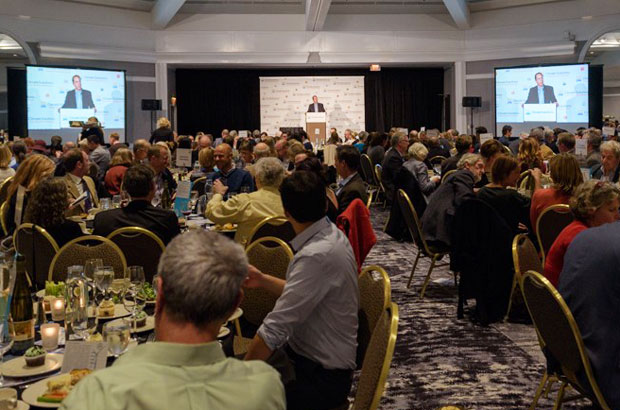
Our annual dinner with Kate Gordon in Portland this week laid the groundwork for a season of effective climate action in Oregon and Washington.
by Devon Downeysmith on
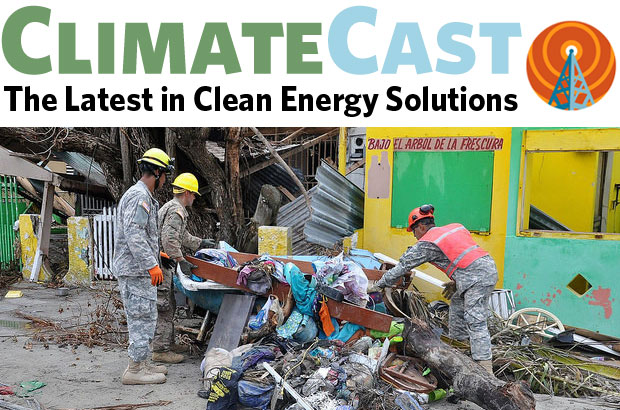
Devastation in Puerto Rico, a major win against coal, hope, frustration, and more in our climate and clean energy news roundup.
by Kelly Hall on
Puget Sound Energy announced a tentative agreement that will help them transition away from using dirty coal power in the next decade.
Join our email lists to learn about what we do and to get involved.
Sign up for text alerts to help win transformative climate policy in the Northwest!