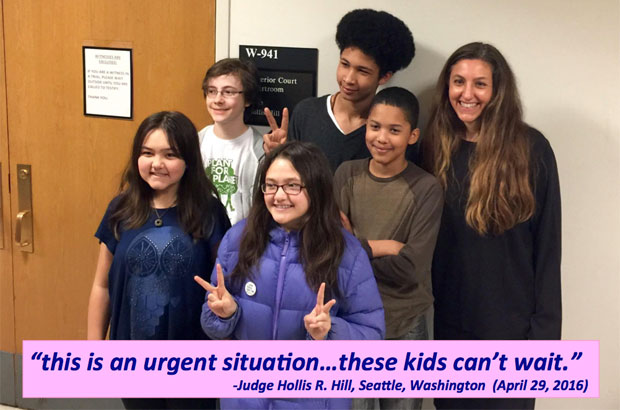
Court agrees with these kids: Washington must curb pollution
A group of Washington State youth known as the “climate kids” just won an important victory in their bid to force the state to protect th

Faraday announces $1 billion electric-car factory, Texans rent their roofs for solar power, Paris accord boosts clean-energy stocks, and more news of the week in clean energy solutions
Billionaires unite to boost clean energy R&D, deal in the works to extend federal credits for solar and wind, US public opinion backs climate pact, and more news of the week in clean energy solutions.
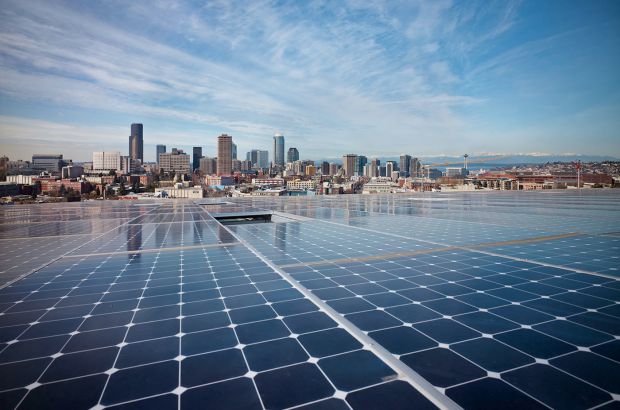
The Urban Clean Energy Revolution report details the state of play of low-carbon cities and describes a rich array of best practices and examples of urban clean energy innovation and carbon reduction.
The international climate talks are a moment in time for forward-looking urban leaders to demonstrate the collective political will they have amassed for bold climate action, and to show how far they have already come in reducing carbon emissions.
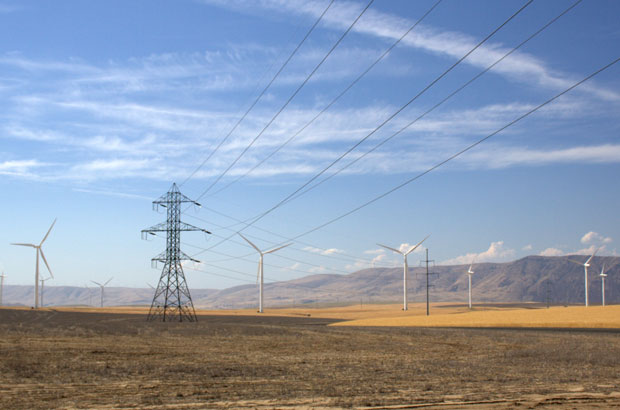
The NW Power and Conservation Council is preparing a new, 20-year plan for our region's power grid, with emphasis on increasing energy efficiency and reducing carbon emissions. Find out what's in the draft report, and how you can weigh in.
Urban leaders are increasingly aligning their carbon reduction and clean energy agendas with other important community priorities—such as air quality, transportation, social equity, economic development, and climate change resilience. In doing so, they forge stronger and more diverse coalitions for climate action.
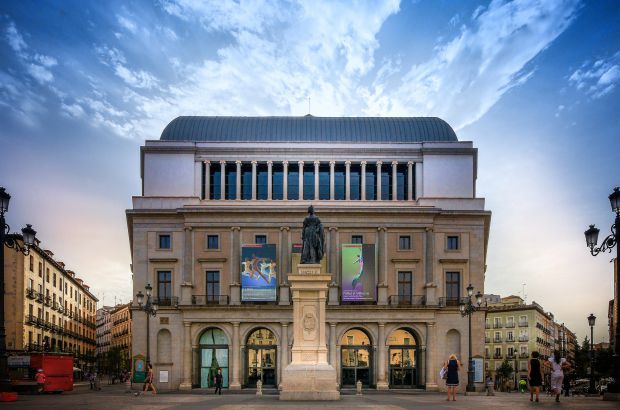
Dedicated funding is a critical ingredient for urban clean energy action, but securing it is one of the most persistent challenges that local governments face today. Some leading communities are marching ahead on their own.
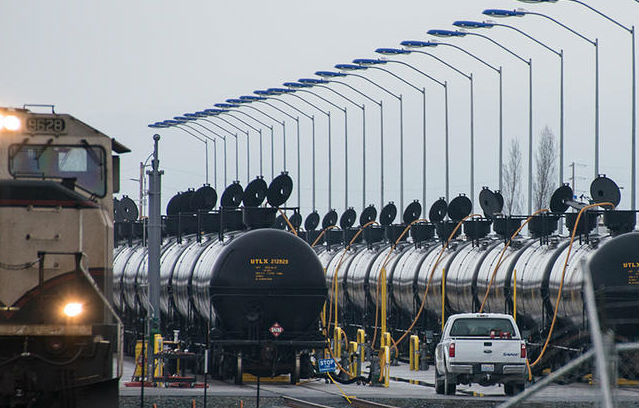
We don't have to let Big Oil turn the beautiful Northwest into a dangerous oil train superhighway. But that's what they're trying to accomplish with new terminal proposals along our coast. Here's how we can say no!

Urban leaders are looking beyond their typical toolbox of policies, programs, and partnerships, and experimenting with new approaches to achieve carbon reduction through cleaner energy supply, building energy efficiency, and low-carbon transportation.
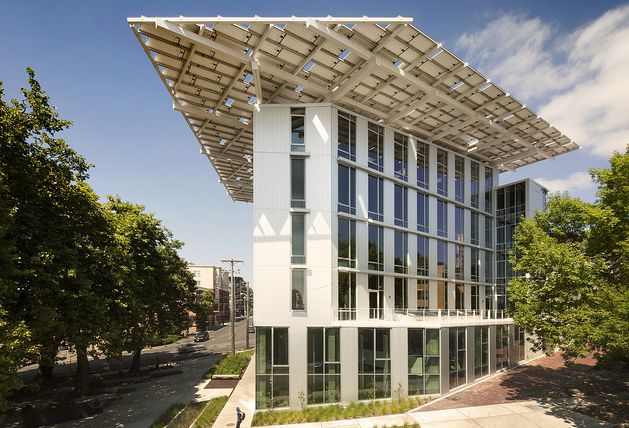
A package of hugely important changes to Washington State codes are needed to make buildings more energy efficient and ready for solar and electric vehicle charging.
Join our email lists to learn about what we do and to get involved.
Sign up for text alerts to help win transformative climate policy in the Northwest!
A group of Washington State youth known as the “climate kids” just won an important victory in their bid to force the state to protect th
The past five years have brought a sea change in urban climate action: increased awareness of the critical role that local leaders play in carbon r
Cities are reducing climate pollution by investing in energy efficiency, renewable energy, electricity grid innovation, and clean transportation.
Join the Interfaither Climate Action group on Friday, April 22, 2016 for “Lifting Our Voices for the Earth”, an event featuring well-known professional singers and songwriters Sharon Abreu and Michael Hurwiczan. The event will entertain and energize citizens who want to work together to encourage institutional changes which will reduce human impact on this fragile planet as the climate changes.
On April 19, 2016 the Western Washington University Institute for Energy Studies will be holding its first Energy Symposium. Students, faculty, and invited experts in the field of energy will be joining together on Western's campus for presentations, lively panel discussions, student poster sessions, and networking. Space is limited. Register now.
On March 10 Seattle took a key step on its path to be carbon neutral by 2050, when Mayor Ed Murray signed
Cleaner air ahead! Washington's Department of Ecology is giving itself the opportunity to strengthen new plans to cut carbon emissions and to accelerate our state's transition to a clean-powered, sustainable economy.
The annual Climate Leadership Conference is happening in Seattle March 8-10! Check out the powerhouse of plenary speakers, panels, and workshops. Top climate, energy, and sustainability professionals are coming together to address climate change through policy, innovation, and business solutions.
Join Climate Solutions, NBIS and a panel of business and climate action leaders for first-hand perspectives on the momentum of the Paris climate agreement its implications for Washington businesses.